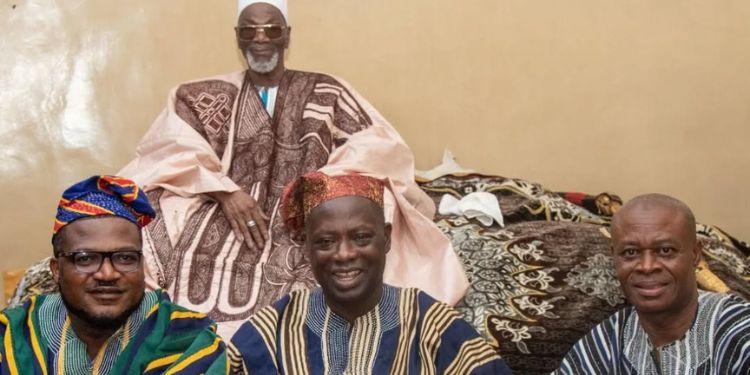
Northern Chiefs, led by the Yaa Naa Abubakari Mahama II, have declared their support for the government’s intensified crusade against illegal mining while demanding a radical overhaul of land administration and resource management.
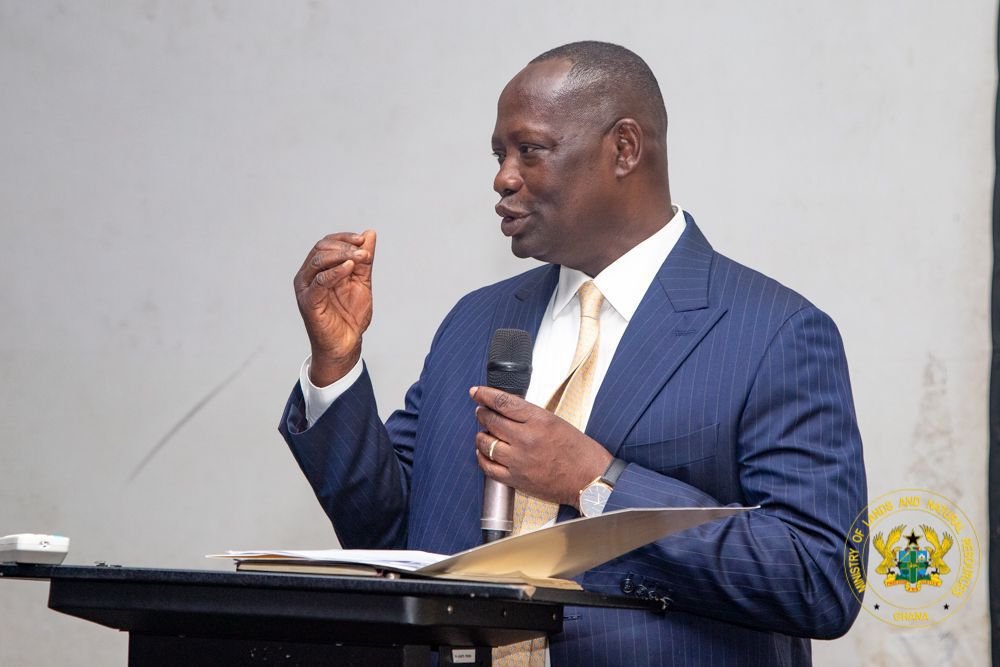
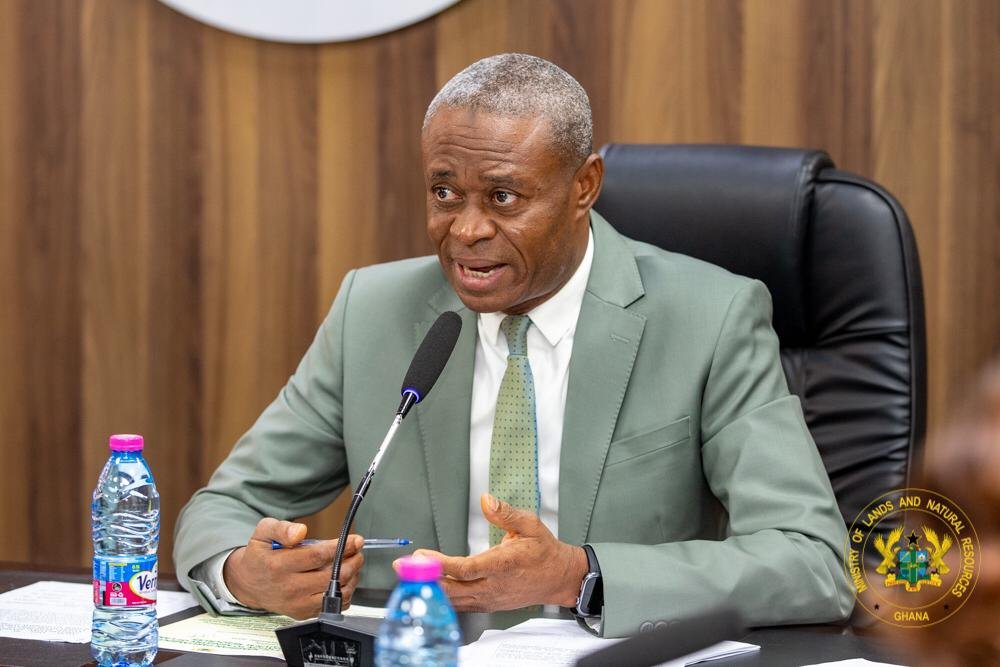
This landmark consensus was reached during a high-profile working tour of the Northern Region by the Minister for Lands and Natural Resources, Hon. Emmanuel Armah-Kofi Buah.
By aligning the influence of the Dagbon Traditional Council with state policy, the Ministry aims to create a fortified front against the “galamsey” menace as the northern territories emerge as Ghana’s newest frontier for gold and diverse mineral wealth.
“Representative of the Yaa Naa welcomed the delegation and pledged support for Government initiatives, particularly efforts to curb illegal mining, known locally as galamsey.”
Ministry of Lands and Natural Resources
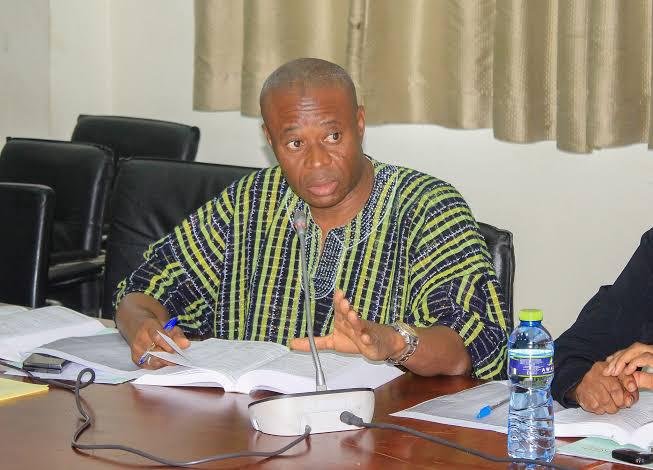
The Minister, accompanied by Deputy Minister Sulemana Yusif and the Chief Executive Officer of the Minerals Commission, emphasized that the expansion of the extractive sector into the north must be handled with surgical precision to avoid the environmental degradation seen in the south.
Hon. Buah noted that seeking the “blessings” of traditional authorities is a prerequisite for any sustainable development, as these leaders are the primary custodians of the land.
He further assured the Dagbon Kingdom that the government is committed to applying “lessons from past mining activities” to ensure that new explorations prioritize “responsible management” and the protection of the ecological heritage of the Savannah region.
“These resources must be developed responsibly to benefit the people and protect our environment. We cannot tour this part of Ghana without seeking your blessings,” stated the Ministry of Lands and Natural Resources.
Traditional Custodianship as a Bulwark Against Galamsey

The partnership with the Dagbon Traditional Council marks a pivotal shift in the enforcement of mining laws, moving from a purely state-centric approach to one that leverages the deep-rooted influence of the Skin.
Traditional leaders in Ghana serve as the primary custodians of approximately 80% of the land, making their “community mobilisation” and “environmental protection” efforts indispensable to the state’s success.
By pledging to resolve land disputes and monitor local activities, the Yaa Naa’s representative signaled that the traditional authority is ready to act as the first line of defense against rogue miners who often exploit local vulnerabilities.
Reforming Land Tenure and Protecting Green Assets
Central to the chiefs’ demands is a call for “land tenure reforms” that harmonize modern statutory laws with existing “customary systems” to prevent the fragmentation of indigenous lands.
The Dagbon Kingdom specifically highlighted the urgent need to protect shea parklands, which are vital to the northern economy and ecological balance, from the destructive footprint of unregulated mining.
This focus on sustainable land use ensures that the transition to an extractive economy does not come at the expense of the region’s agricultural heritage or the livelihoods of thousands of women dependent on the shea industry.
Inclusive Governance and Economic Empowerment
Beyond environmental safeguards, the chiefs are pushing for “policies that create jobs for local communities” to ensure that the wealth extracted from their soil translates into tangible social development.
Deputy Minister Sulemana Yusif noted that formally engaging the Yaa Naa is a “necessary step” in recognizing the “critical role” traditional authorities play in resource governance.
This collaborative framework is designed to move away from the “resource curse” by integrating local manpower into the formal mining value chain, thereby reducing the economic incentive for youth to engage in hazardous galamsey operations.
READ ALSO: AngloGold Ashanti Launches Phase Two Obuasi Aquaculture Project