AngloGold Ashanti, in a strategic partnership with the Fisheries Commission (Ashanti Region), has officially commenced Phase Two of its high-impact Aquaculture Project in the Obuasi enclave.
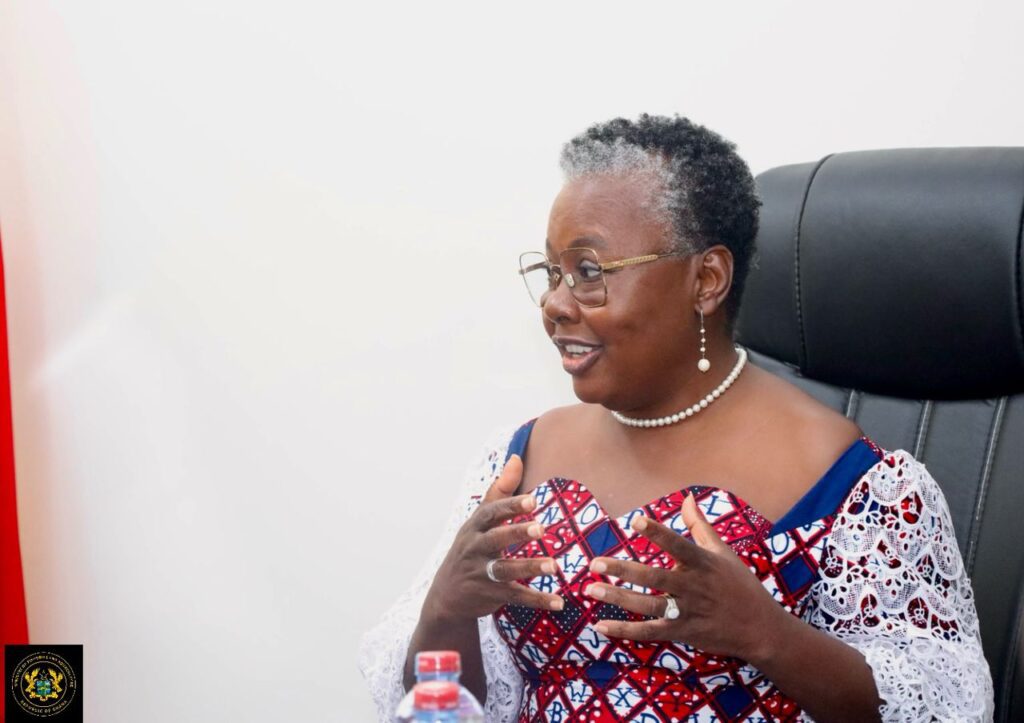
Launched recently, the initiative serves as a flagship component of the mining giant’s Ten-Year Socio-Economic Development Plan (SEDP). To mark the expansion, the Ashanti Regional Director of the Fisheries Commission, Ms. Abigail Quarshie, led a technical team and a successful project beneficiary in a public sensitization drive in Obuasi.
“Ms. Quarshie highlighted the Fisheries Commission’s role in regulating aquaculture and ensuring adherence to national standards, while providing technical support, training, monitoring, and market linkages”
Fisheries Commission
According to the Fisheries Commission, the project, which originally took flight in 2023, is designed to diversify the local economy by providing alternative livelihoods beyond the traditional gold mining sector. Modern fish farming approach is expected to improve food security and create sustainable income opportunities that can outlast the mine’s life cycle.
Ms. Abigail Quarshie underscored that the Fisheries Commission’s involvement is not merely advisory but regulatory, as the Commission is responsible for ensuring that all participating farmers adhere to National Aquaculture Standards, covering everything from water quality management to the ethical sourcing of fingerlings.
With the technical support, rigorous training, and consistent monitoring, the Commission is helping to transform what was once a subsistence activity into a commercially viable enterprise for the people of Obuasi.

The Fisheries Commission noted that the Phase Two rollout follows an exceptionally successful pilot phase that proved the model’s efficacy in reducing fish mortality and increasing market readiness. The transition to Phase Two was prompted by the robust performance of the initial ten beneficiaries.
During Phase One, AngloGold Ashanti and the Fisheries Commission provided a “comprehensive start-up package,” that included 20,000 fingerlings, 450 bags of specialized fish feed, harvesting nets, and Ahotor ovens – a modern, efficient technology for fish smoking and preservation.
This investment ensured that the farmers were equipped for the entire value chain, from pond stocking to post-harvest processing.
The results from Phase One were immediate. One beneficiary, speaking during the engagement with Ms. Quarshie in Obuasi, confirmed that the technical training provided by the Fisheries Commission led to “improved fish survival rates,” which are often the greatest hurdle for novice aquaculturists.
The ability to grow fish to a commercial weight within the stipulated timeframe allowed these early adopters to expand their ponds and reinvest their profits. This success has turned the initial ten farmers into “lead models,” for the community, demonstrating that aquaculture can provide a stable and lucrative income stream for those willing to commit to the rigorous technical requirements of the trade.
Phase Two
While the project continues to support ten new beneficiaries, AngloGold Ashanti and the Fisheries Commission have announced that priority will be given to youth and women in phase two, signaling an intentional shift toward inclusive growth.
This decision aligns with the broader goals of the Ten-Year SEDP, which seeks to address the high unemployment rates among young people in mining communities. Engaging the youth in aquaculture provides a professional career path in the agribusiness sector, encouraging them to view farming as a business rather than a last resort.
The inclusion of Ahotor ovens in the support package specifically empowers women in the value chain. Traditionally, women in Obuasi have been the primary processors and retailers of fish, and the introduction of modern smoking technology allows them to process larger volumes of fish with less fuel and lower health risks compared to traditional methods.
This value addition at the local level ensures that a greater portion of the profit stays within the community, strengthening the local economy and improving the standard of living for families in the enclave.
A critical factor in the project’s sustainability is the technical support system established by the Fisheries Commission.
Acknowledging aquaculture as being a sensitive enterprise that requires precise management of environmental factors, Ms. Abigail Quarshie emphasized that her team provides “real-time monitoring,” to help farmers navigate challenges such as disease outbreaks or water pH fluctuations.
She explained that this hands-on approach minimizes the risk for the beneficiaries and ensures that the investment made by AngloGold Ashanti yields a high return in terms of “socio-economic impact.”
Furthermore, she noted that the project is moving beyond production to focus on market linkages, as the Fisheries Commission is working to connect the Obuasi farmers with bulk buyers, including hotels, restaurants, and local school feeding programs.

For AngloGold Ashanti, the Aquaculture Project is a testament to its commitment to Corporate Social Responsibility (CSR) that goes beyond philanthropy. By integrating this project into its Ten-Year SEDP, the company is acknowledging that the future of Obuasi must be multi-sectoral.
Gold mining is a finite resource, but the agribusiness potential of the Ashanti Region is vast, and the investment in aquaculture is a strategic move to build an industrial foundation in food production that can support the region for decades.
The synergy between the Fisheries Commission and AngloGold Ashanti is a powerful example of how the public and private sectors can collaborate for sustainable development. As phase two takes off, the Fisheries Commission emphasized that the focus remains on commitment and accountability.
READ ALSO: Ghana Insurance Stuck At 1% Penetration- Deloitte