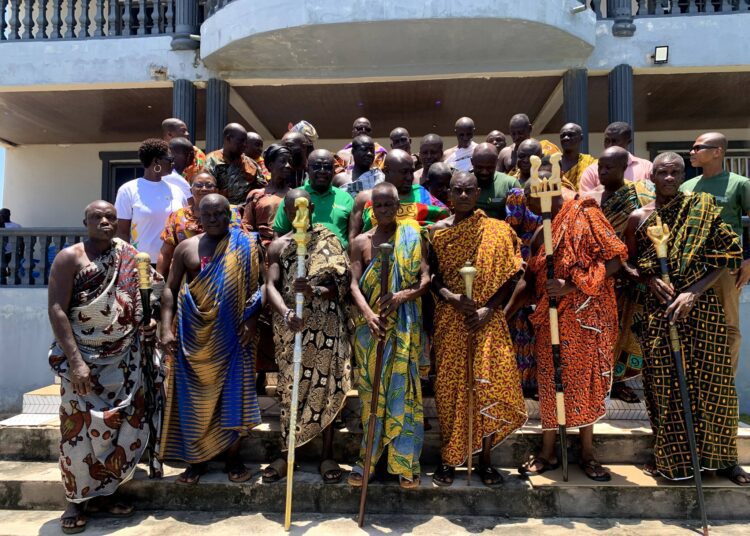
Traditional leaders in the Wassa Fiase Traditional Area have raised an urgent alarm regarding a looming “spatial crisis” as the Damang Mine transitions from the ownership of South African giant Gold Fields to the Ghanaian state.
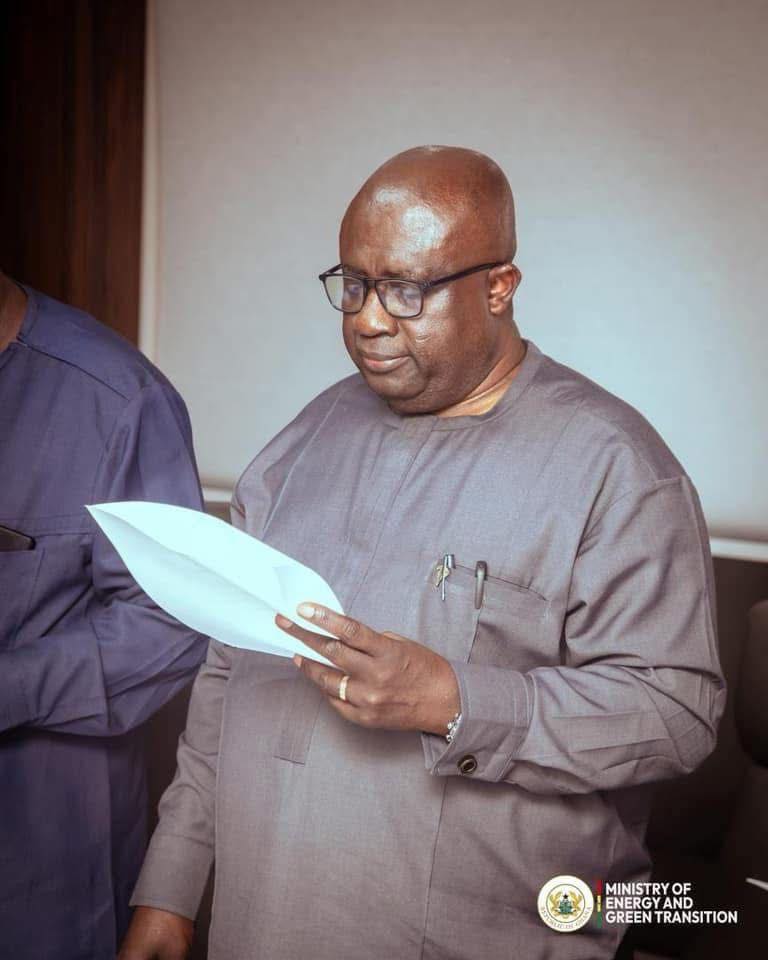
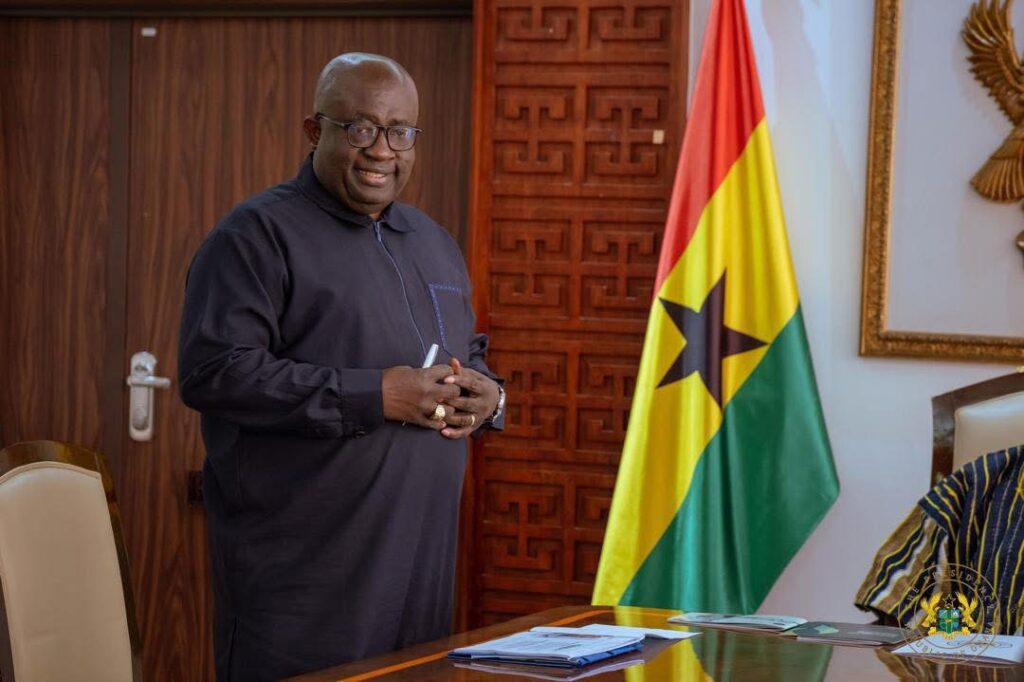
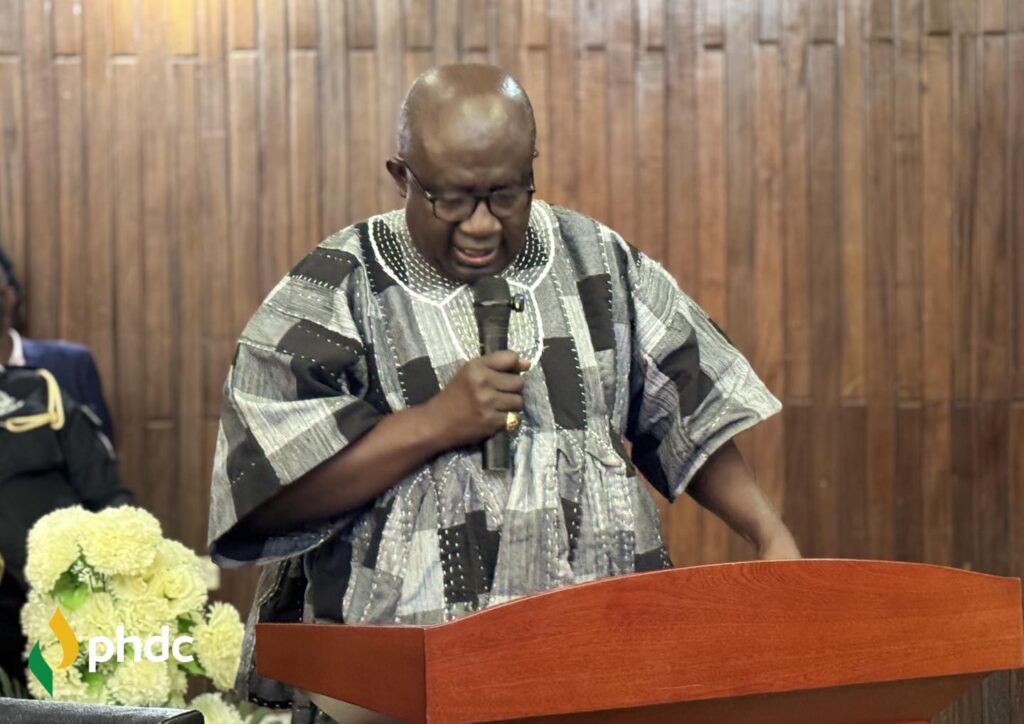
Nana Ampasi Bene-Mireku I, the Abakoma/Akyempimhene of the Damang-Wassa Division, and the CEO of Petroleum Hub Development Corporation (PHDC) warned that while the technical and financial aspects of the handover to the new operator, Engineers & Planners (E&P), are being prioritized, the physical survival of the host community is being “strangulated” by existing mining concessions and infrastructure.
This geographic bottleneck threatens to stifle the long-term growth of Damang, turning a landmark moment of indigenization into a potential transfer of social liability.
“The 1997-98 resettlement was predicated on the promises of fair land compensation—a debt that remains unnegotiated three decades later. Without a strategic spatial plan that prioritises community growth, a mine transition is merely a transfer of liability, not a foundation for legacy. In the technical world of mining, land is a ‘concession,’ but in the human world of the Wassa people, land is life.”
Nana Ampasi Bene-Mireku I

The transition marks a pivotal shift in Ghana’s extractive governance, representing the first major state takeover of a large-scale mine since the Structural Adjustment Programme era of the 1980s.
However, the excitement surrounding the indigenous management of the asset is tempered by unresolved legacy issues dating back to the 1997-98 resettlement.
During that period, the community was moved to facilitate mining operations under the promise of fair land compensation a debt that local leaders argue remains unnegotiated three decades later.
With the town now hemmed in by protected forests to the north and sprawling mine infrastructure to the west, the community has effectively run out of room for natural population expansion, creating a “land access paradox” where the technical success of the mine directly conflicts with the human right to space.
The Paradox of Community Strangulation
The “hemmed-in” status of Damang is not merely a logistical inconvenience but a fundamental threat to the socio-economic fabric of the region.
As the mine transitions to state-led oversight, the focus has historically remained on “reclaiming” land for environmental restoration rather than “releasing” land for human development.
Industry experts note that if spatial concerns are ignored, the resulting congestion will likely lead to increased slum-like conditions, poor sanitation, and a breakdown of local infrastructure as the population continues to grow within fixed, narrow boundaries.
Furthermore, the lack of available land prevents the diversification of the local economy. Without space for new housing, markets, or small-scale industrial hubs, the youth of Damang remain tethered to the mine’s fortunes.
Nana Ampasi Bene-Mireku I argues that a “successful transition must address the human legacy of the operation,” noting that social grievances are rarely erased by a simple change in ownership.
Failure to resolve these spatial limits could transform the town into a “ghost hub” where the infrastructure serves the extraction of wealth while the inhabitants are physically squeezed out of their own ancestral lands.
Unresolved Equity and the Social Debt
The transition process has sparked a broader debate regarding “social debt” and the accountability of exiting multinationals.
While the NPP and other political stakeholders emphasize that local participation must “create value for Ghana, not lead to value erosion,” traditional authorities argue that value cannot be measured solely by the $500 million required for the tender.
There is a profound “invisible” risk that unforeseen environmental or social issues, omitted from initial transition costing, will emerge post-handover.
Drawing parallels to the Ok Tedi mine in Papua New Guinea, where unresolved social claims led to decades of litigation, leaders in Wassa Fiase are calling for a comprehensive “Social Audit” before the keys are officially handed over.
This audit would serve to settle legacy claims and ensure that E&P does not inherit a volatile social environment.
Without this, the state risks absorbing significant liabilities that could drain the profitability of the Damang asset, effectively placing the burden of decades-old corporate promises onto the Ghanaian taxpayer.
Ring-Fencing the Future: Bonds for the “Soul”
To mitigate these risks, there is an urgent call for the establishment of “Social Bonds” or ring-fenced financial resources dedicated to social sustainability.
While the Minerals and Mining Act and existing regulations mandate “Reclamation Bonds” for environmental restoration, there is currently no legal framework that protects the “soul of the community.”
Local leaders propose that funding for STEM education and climate-resilient agriculture must be legally isolated from the general operational budget of the mine.
By placing these resources in transparent, multi-stakeholder trust structures, the state can ensure that the “unborn future” of the youth is protected once the gold is exhausted.
This approach requires a fundamental shift in how Ghana views mine-to-state transitions—moving beyond technical balance sheets to embrace a holistic model of natural resource governance.
As the Damang precedent unfolds, the integration of spatial planning and social ring-fencing will determine whether this experiment in indigenization serves as a blueprint for national pride or a cautionary tale of overlooked human costs.
READ ALSO: Ghana Loses GH₵11bn to Import Fraud