The Chairman of the National Development Planning Commission, Dr. Nii Moi Thompson, has weighed in on the ongoing xenophobic tensions in South Africa, attributing the violence against foreign nationals to broader structural and social issues within the country.
Speaking on the matter, Dr. Thompson argued that the attacks on immigrants cannot be viewed in isolation, but rather as an extension of a deeply entrenched culture of violence. According to him, South Africa already experiences significant levels of internal conflict, which he believes are now being redirected toward non-nationals.
“If you look at violence in South Africa, it’s on a completely different level,” he said. He cited the country’s taxi industry as an example, noting that searching for taxi-related assassinations in Africa often yields results predominantly linked to South Africa. “The number of assassinations in the taxi industry alone will shock you,” he added.
Dr. Thompson further pointed to challenges in the construction sector, alleging that certain groups demand a percentage, sometimes as high as 30% of project value, under threat of violence. According to him, such practices have slowed or halted construction activities in parts of the country.
Beyond violence, he stressed that unemployment and inequality are central to understanding the resentment toward immigrants. However, he challenged the narrative that foreign nationals are responsible for job losses.
Skilled Immigrants: An Addition To The Economy
Instead, he argued that many immigrants bring valuable skills and entrepreneurial initiatives that actually contribute to job creation. “Let’s say we remove every single foreign immigrant from South Africa,” he posited, “Those who claim immigrants are taking their jobs will still be unemployed. Then the blame will simply shift among themselves“, he added.
He asserted that most of the South Africans lack the skills needed to be employed in certain areas, so the government advertises for jobs, and they are mostly filled by immigrants.
Dr. Thompson attributed part of the problem to a mismatch between labor market needs and workforce skills. He noted that South Africa regularly advertises for scarce skills, indicating gaps in key sectors.
He opined that “Skills are so scarce that every year they advertise for them,” emphasizing that the issue is not merely about job availability but employability.
He also highlighted disparities in educational attainment across racial groups, pointing out that a significantly higher percentage of white South Africans hold tertiary degrees compared to the black majority.
While acknowledging improvements over time, he warned that systemic challenges persist, particularly high dropout rates and low completion levels among black students. Reflecting on a visit to South Africa over a decade ago, Dr. Thompson recalled raising concerns about the country’s education system with policymakers. He specifically mentioned resistance from labor unions to classroom inspections that aimed at improving quality education.
“The unions were making it difficult for education inspectors to assess what was happening in classrooms. It was clear that this would catch up with them, and that’s what we’re seeing now.”
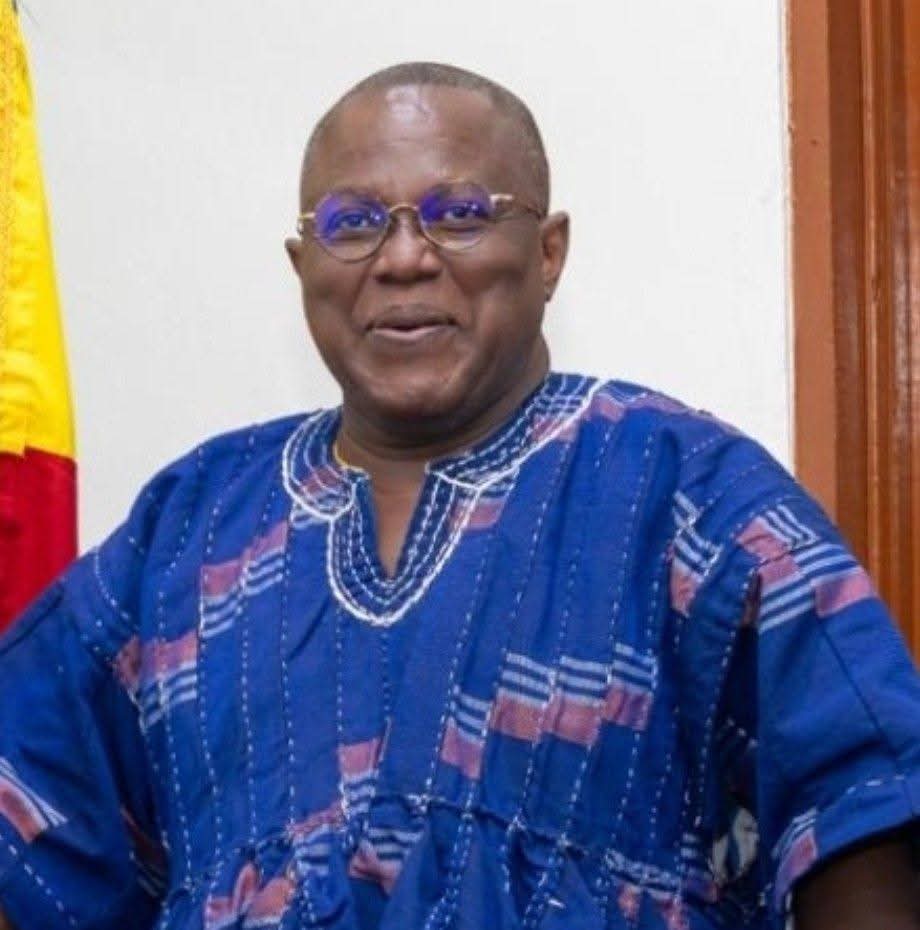
Dr. Nii Moi Thompson
Dr. Thompson argued that these educational shortcomings have long-term consequences for the labor market, leaving many young people without the skills needed to compete. This, he suggested, fuels frustration and creates fertile ground for scapegoating immigrants.
He also pushed back against claims that foreign-owned businesses exclude locals. While acknowledging that some immigrant-led enterprises employ people from their own networks, he maintained that many also provide opportunities for South Africans and stimulate local economies.
“Immigrants are not taking jobs, they are creating them,” he emphasized. “They bring new skills, new ideas, and open businesses that employ people.” His comments come amid renewed debate across Africa about migration, economic inclusion, and regional cooperation.
He stated that while xenophobic violence in South Africa has historical roots, it is increasingly tied to contemporary economic pressures, including high unemployment and inequality.
Dr. Thompson concluded by urging a more nuanced understanding of the issue, calling for policy responses that address underlying structural challenges rather than targeting vulnerable groups.
READ ALSO: GoldBod Reports ¢5.55bn Revenue in 2025