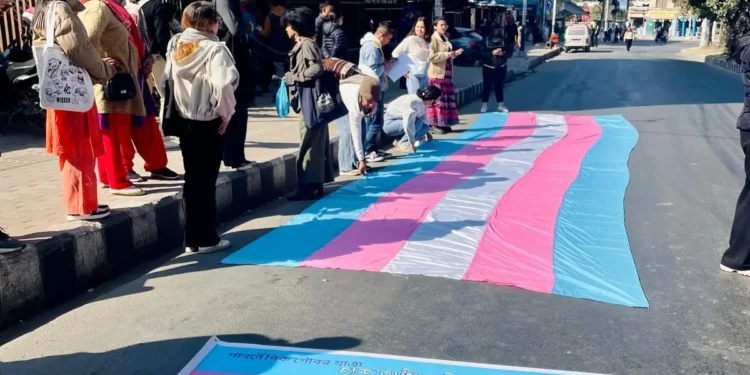
Human Rights Watch has warned that Nepali authorities’ decision to halt the processing of applications for transgender people seeking to change their legal gender on identity documents marks a serious regression in human rights protections, undermining the fundamental right to recognition before the law.
The organisation said the move reverses years of progress that followed a landmark 2007 Supreme Court ruling, which recognised transgender people based on self-identification and positioned Nepal as a global leader on gender identity rights.
Despite this legal foundation, authorities failed to establish a clear administrative process, resulting in inconsistent implementation and leaving applicants vulnerable to bureaucratic delays and arbitrary decisions.
According to Alex Müller, LGBT Rights Director at Human Rights Watch, “Nepal has a proud history of principled legal developments that protected the rights of lesbian, gay, bisexual, and transgender people, and has played an important role on the global stage,” adding, “The authorities should not allow disingenuous attacks to derail their work to uphold Nepal’s obligations under international human rights law.”
Research conducted by Human Rights Watch in December 2025 found that more than half of 11 transgender individuals interviewed were already facing stalled legal gender recognition processes. The findings were built on a 2024 report highlighting systemic barriers, including the widespread use of unnecessary medical examinations and the absence of a rights-based policy framework.
According to the organisation, the situation deteriorated significantly in early 2025, when authorities paused all processing of applications, including those that had already received support from district officials or courts.
Human Rights Watch said it contacted the Ministry of Home Affairs in April 2026 regarding the suspension but had not received a response at the time of publication.
The consequences of the policy shift are described as severe. Transgender individuals without identity documents that reflect their gender identity face barriers to accessing education, healthcare, and employment, while also living with the constant risk of discrimination.
“The Supreme Court made it clear in 2007 that trans people should be legally recognized based on their self-identification, and practices since then has indicated that this means as male, female, or other. Trans people in Nepal are being abandoned by authorities who appear to be listening to anti-gender ideology talking points”
Alex Müller
Moreover,Human Rights Watch has called on the government, under Prime Minister Balen Shah, to immediately resume processing pending applications and establish a clear, consistent, and rights-based system aligned with international human rights standards.
Ad Hoc Systems, Barriers and Rising Opposition Drive Policy Breakdown
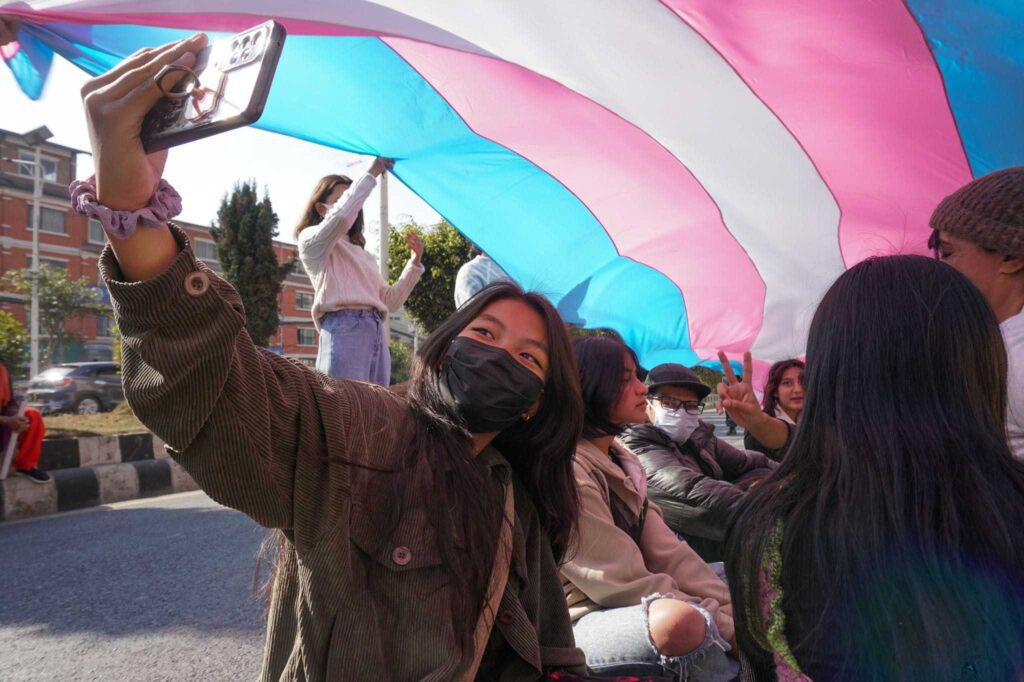
Human Rights Watch argues that Nepal’s current crisis stems from long-standing structural failures in implementing legal gender recognition. Since the 2007 Supreme Court decision, government offices have developed what the organisation describes as a “haphazard and para-official process,” leading to inconsistent outcomes across the country.
While some individuals have obtained documents identifying them as “third gender” or “other,” others have been denied recognition or required to undergo invasive medical procedures. In certain cases, officials have demanded proof of gender-affirming surgery, despite no such requirement existing in Nepali law.
This growing reliance on medical verification has created additional barriers. Applicants seeking recognition as male or female have often been subjected to physical examinations and bureaucratic scrutiny, while even those applying for “other” gender markers have faced similar demands. Human Rights Watch said these practices violate rights to privacy, bodily autonomy, and dignity.
The organisation also documented individual cases illustrating the impact of these barriers. Some applicants have spent years navigating administrative systems without receiving updated documents, affecting their ability to work, run businesses, or access essential services. Others reported being forced to rely on family members to manage official transactions due to discrepancies in identification documents.
Human Rights Watch attributes the recent suspension in part to rising “anti-gender” advocacy, which has challenged rights-based approaches to legal gender recognition. Campaigns opposing self-identification have argued that recognising transgender individuals as male or female creates administrative confusion, while also promoting narratives that frame trans rights activism as externally driven.
These developments reflect broader global trends, where gender ideology has been used to oppose a wide range of rights related to gender identity, sexual orientation, and social equality. Human Rights Watch cautioned that such arguments risk undermining Nepal’s legal obligations and eroding its international reputation.
Also, the organisation pointed to Nepal’s constitutional and judicial commitments, including the 2007 Supreme Court ruling in Sunil Babu Pant and Others v. Nepal, which drew on the Yogyakarta Principles to affirm the right to self-identified gender. These principles emphasise that legal gender recognition should not be contingent on medical procedures.
Despite these standards, Human Rights Watch said Nepal’s current approach fails to meet both domestic and international obligations. The complete suspension of applications has effectively dismantled an already fragile system, leaving transgender individuals without a pathway to legal recognition.
READ ALSO: GoldBod Reports ¢5.55bn Revenue in 2025