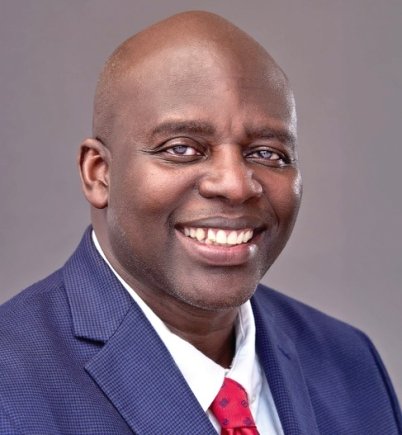
Ghana’s anti-corruption efforts are entering a period of uncertainty as recent court rulings spark what Dr John Osae Kwapong, Democracy and Development Fellow at the Ghana Center for Democratic Development, described as legal correction and operational disruption.
In an exclusive interview with The Vaultz News, Dr Osae Kwapong described the situation as a “both and” reality, explaining that the country is simultaneously experiencing a legal correction and an institutional setback.
His remarks follow a series of High Court decisions, including a recent ruling requiring an Economic and Organised Crime Office prosecutor to demonstrate authorization before proceeding with a case involving the Buffer Stock Company.
Legal Questions Finally Surface
Dr Osae Kwapong noted that for several years after the Office of the Special Prosecutor became operational, public attention focused largely on its performance and outcomes rather than its legal foundation.
“All conversations we have had about the OSP have essentially been about how you strengthen the office,” he said, adding that earlier debates centered on whether the institution was delivering value and producing results.

However, he explained that recent developments have shifted attention to the legal basis of the office, particularly its prosecutorial authority and whether that authority aligns with the Constitution.
According to him, the emergence of these questions, though delayed, is not unusual. He pointed out that constitutional issues do not always arise immediately, noting that “that is the nature of constitutional questions.”
Debate Over Prosecutorial Powers
At the heart of the controversy is whether the Office of the Special Prosecutor can independently prosecute cases or must rely on the authority of the Attorney General.
Dr Osae Kwapong framed this as a broader constitutional issue, questioning whether Parliament can lawfully grant prosecutorial powers to institutions outside the Attorney General’s office.
He suggested that the current legal challenges reflect an attempt to address unresolved questions about how prosecutorial authority is structured within Ghana’s legal system.
While he acknowledged the importance of resolving these issues, he also stressed that the process has significant implications for the functioning of anti corruption institutions.
Institutional Setback Becomes Evident
Despite recognising the value of legal clarification, Dr Osae Kwapong expressed concern about the immediate consequences of the rulings. “I also believe that we are seeing an institutional setback for the OSP,” he said, pointing to the disruption of the office’s operations.
He explained that the institution is now in a state of uncertainty, trying to determine whether to continue its work, seek authorization from the Attorney General, or pause its activities until the courts provide a definitive ruling.
According to him, this uncertainty is particularly troubling given the role of the Office of the Special Prosecutor as a key instrument in Ghana’s anti-corruption framework.

The impact of the rulings is already being felt across multiple cases, with adjournments becoming more frequent as courts demand proof of authorization from prosecutors.
Dr Osae Kwapong observed that the situation is likely to escalate, noting that “I can see a series of cases coming up where this is going.” He explained that the requirement for authorization could affect not only the Office of the Special Prosecutor but also other agencies such as the Economic and Organised Crime Office.
This, he warned, could slow down the pace of prosecutions and create additional challenges for institutions tasked with enforcing accountability.
A Difficult Period for Anti Corruption Agencies
Describing the current situation as a challenging phase, Dr Osae Kwapong said it represents “the difficult days” not just for the Special Prosecutor Kissi Agyebeng but the institution as a whole.
He noted that the office is operating in a “state of limbo“, unsure of how to proceed amid ongoing legal disputes. The disruption, he added, could undermine public confidence, particularly if high-profile cases are delayed or stalled.
For an institution that has been widely regarded as a critical tool in fighting corruption, the current uncertainty raises concerns about its effectiveness.
A key issue, according to Dr Osae Kwapong, is the absence of a clear timeline for resolving the legal questions. He indicated that a final decision will likely come from the highest court, but it remains uncertain when that will happen.
“And who knows when the court would give us that final answer,” he remarked, highlighting the uncertainty surrounding the process. Until such clarity is achieved, he warned that the disruption to anti-corruption efforts is likely to continue.
Balancing Legal Clarity and Institutional Stability
Dr Osae Kwapong emphasised the need to strike a balance between ensuring legal correctness and maintaining institutional functionality. While the legal questions must be addressed, he argued that the process should not paralyse the operations of key institutions.
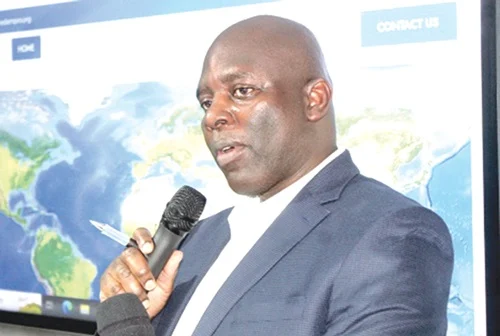
He suggested that a swift resolution would be critical to restoring stability and allowing anti corruption agencies to resume their work effectively. The ongoing authorization controversy underscores broader challenges within Ghana’s governance framework.
Dr Osae Kwapong’s analysis suggests that while the current developments may ultimately strengthen the legal foundation of anti corruption institutions, the short term impact poses risks to their effectiveness.
As Ghana awaits judicial clarity, the outcome of these legal battles will play a decisive role in shaping the future of accountability and the fight against corruption.
READ ALSO: E&P Sells Off 100% Proceed from Damang Gold Mine to GoldBod