Chief Executive of Gold Fields, Mike Fraser has disclosed that the company has intensified high-level diplomatic engagements with Ghana’s sector ministers and regulatory bodies to fast-track the approval of a 20-year lease extension for the Tarkwa Mine.
This strategic move, initiated via a formal application in November 2023, is designed to anchor the company’s operations in the Western Region for at least two more decades.
The proposed extension is not merely a procedural renewal but a foundational requirement for a massive capital injection intended to modernize the site.
By securing this legal mandate, Gold Fields aims to transform the Tarkwa asset into a “world–class operation” capable of sustaining high-yield production well into the mid-2040s, ensuring that one of Ghana’s most productive gold interests remains a cornerstone of the national economy.
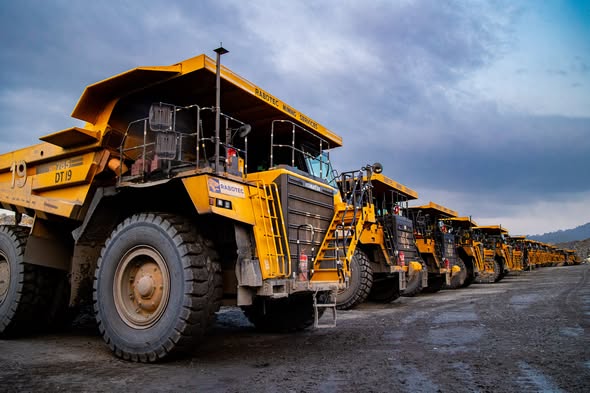
“But I will say this today, is that we are not going to give up in any way on Tarkwa. So in November last year, we submitted a lease extension for the Takwa mine, which would give us, at least for the initial term, another 20 years of mining at Tarkwa. This will require quite a significant amount of reinvestment. We’re going to have to move a huge amount of more material. We’re going to have to invest a whole lot in additional fleet and equipment. That’s going to require additional manpower to actually move that material over the next 20 years.”
Chief Executive of Gold Fields, Mike Fraser
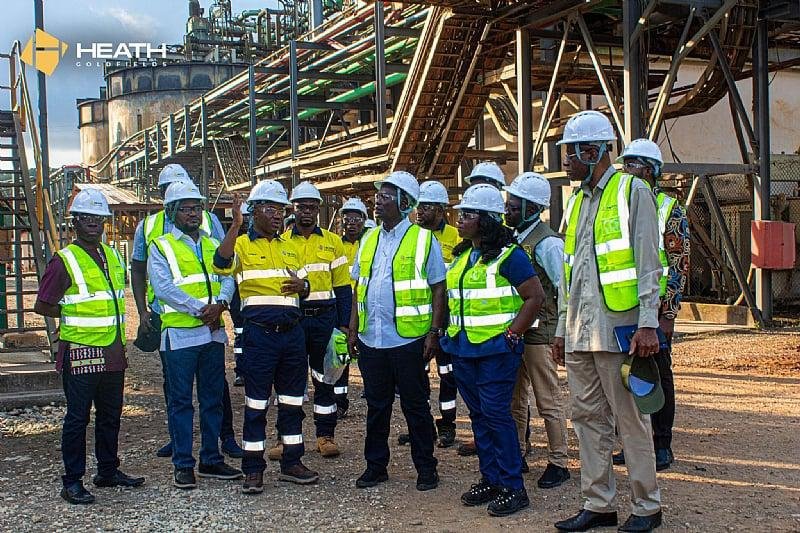
The expansion project signaled by Mike Fraser involves a monumental shift in operational scale, requiring the movement of significantly higher volumes of material to access deeper ore bodies.
To achieve this, the executive noted that Gold Fields is prepared to commit to a “significant amount of reinvestment,” which includes the acquisition of a modernized fleet and heavy-duty mining equipment.
This surge in industrial activity is expected to necessitate a substantial increase in manpower, offering a long-term buffer for local employment.
However, the realization of this vision currently hinges on the success of ongoing lobbying efforts.
Mike Fraser disclosed that his recent itinerary in Ghana has been dominated by consultations with the Minister of Lands and Natural Resources, the Minerals Commission, and the Ministry of Finance to present a compelling case for why Gold Fields remains the ideal custodian for these resources.
Strategic Reinvestment and Operational Scalability
The bid for a 20-year extension represents a pivot toward long-term stability in an industry often characterized by price volatility and finite life-of-mine projections.
For Gold Fields, the Tarkwa Mine is a flagship asset that requires a “clear strategy” to move beyond current extraction limits.

The CEO emphasized that the company is “not going to give up in any way on Tarkwa,” signaling that the investment into additional fleet and equipment is a prerequisite for the mine’s survival. Without the security of a long-term lease, the “huge amount of material” required to be moved to maintain output levels would be economically unviable.
This modernization drive is expected to integrate advanced mining technologies, potentially improving the safety and efficiency of ore recovery.
By “lifting the case” for Gold Fields to the Finance Minister and other political stakeholders, Fraser is positioning the company as a partner in Ghana’s industrial growth rather than a transient operator.
The reinvestment strategy also includes provisions for exploring further extensions during the initial 20-year window, effectively creating a perpetual development cycle that could see the mine operating for nearly half a century.
Macroeconomic Implications for Ghana’s Mining Sector
Securing the future of the Tarkwa Mine is a matter of national interest for Ghana, particularly as the country seeks to maintain its status as Africa’s leading gold producer.
A 20-year lease approval provides the fiscal predictability required for the state to project long-term revenue from royalties, corporate taxes, and the Growth and Sustainability Levy.
Beyond direct revenue, the “additional manpower” mentioned by Fraser translates to thousands of direct and indirect jobs, supporting the socio-economic fabric of the Western Region.
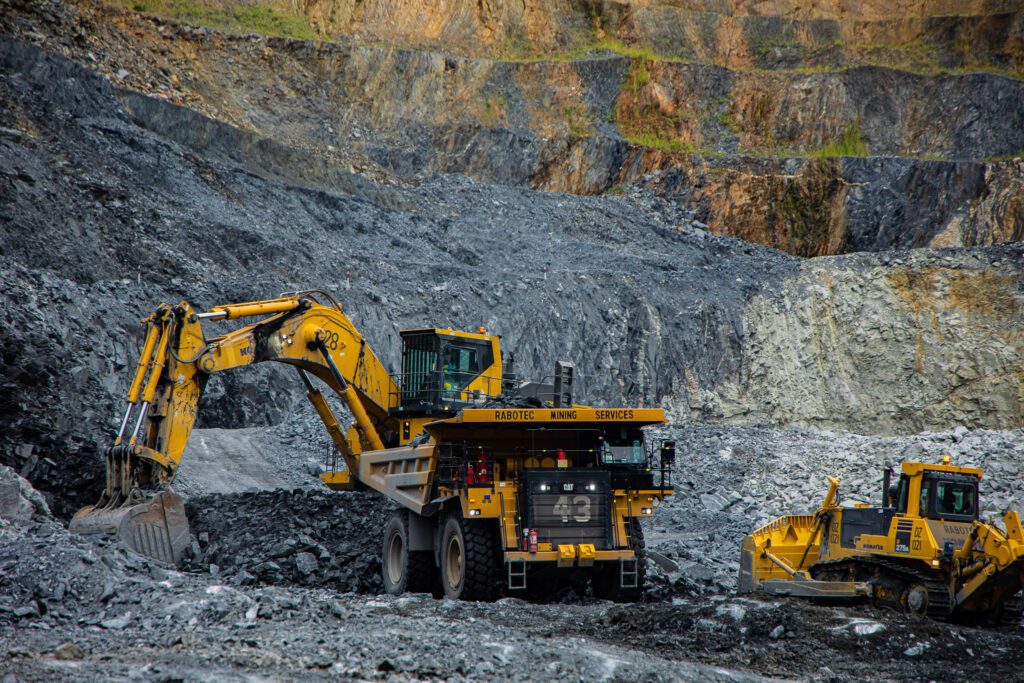
In the broader context of the extractive sector, this lease extension serves as a litmus test for Ghana’s investment climate. A successful approval, backed by a commitment to “make a meaningful difference in host communities,” reinforces the “Goldfields strategy” of ESG-led mining.
This approach ensures that the wealth generated from the soil is not just “for the sake of international shareholders” but is reinvested into the infrastructure and human capital of the Apinto Divisional Stool and surrounding areas.
Community Empowerment and Institutional Accountability
A central pillar of the CEO’s address to the Apinto Divisional Stool was the link between lease security and community development.
Mike Fraser noted that the time spent lobbying the Minerals Commission is ultimately about securing the “future of the host communities.” Gold Fields’ commitment to these areas is often manifested through the Gold Fields Ghana Foundation, which has historically funded healthcare, education, and agribusiness projects.
By presenting the case to the “politicians who actually have a role to play,” the company is advocating for a framework where institutional accountability meets corporate social responsibility.
The goal is to ensure that as the mine moves into its next 20-year phase, the dividends of extraction are visible in the improved livelihoods of the people of Awudua and Tarkwa.
READ ALSO: Raffles London to Host Ghana’s Aggressive Multi-Billion Push