
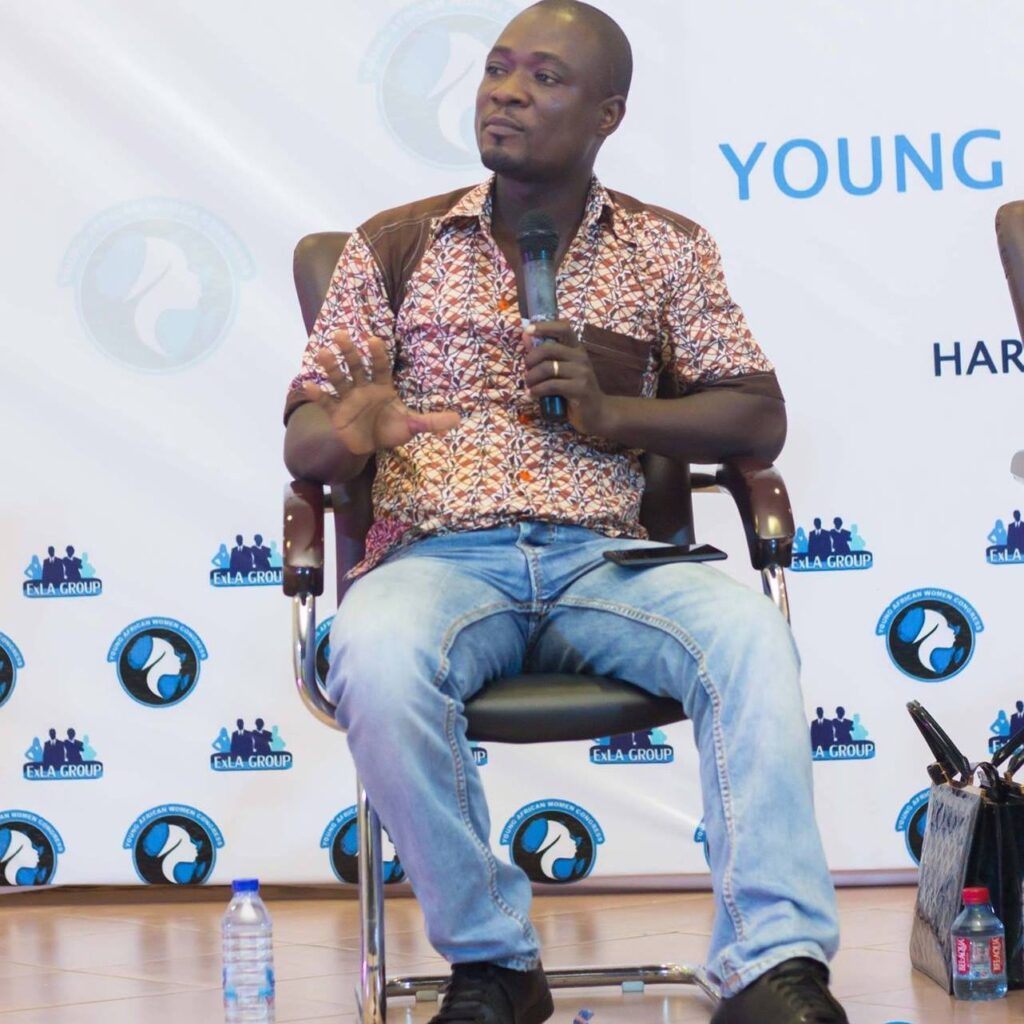
Clement Sefa-Nyarko, a prominent researcher and lecturer at King’s College London, has asserted that the development of Ghana’s lithium reserves must transcend the traditional focus on mineral royalties to ensure that the host communities of Ewoyaa, Krampa Krom, and Krofu are not sidelined by the very progress they facilitate.
He posits that true equity in the extractive sector requires a shift toward addressing the deep-seated “temporal burdens” and socio-economic disruptions that have plagued these local residents long before the first grain of lithium is even exported.
“A just energy transition demands fair distribution not only of mineral wealth, but of time, certainty and opportunity. Local communities should share the benefits rather than being left to carry hidden costs.”
Clement Sefa-Nyarko
Sefa-Nyarko highlights that while national debates often center on fiscal regimes and the percentage of shares the state holds, the lived reality of residents involves a complex navigation of “frozen time” and suspended aspirations.
The prolonged moratorium on local development during the exploration and negotiation phases has effectively halted the economic engine of these communities, leading to a exodus of disillusioned youth and the stagnation of traditional livelihoods like farming and petty trading.
To move forward, he argues that the governance of critical minerals must evolve to treat the time and stability of the local people as assets as valuable as the minerals beneath their feet.

The Hidden Cost of Temporal Injustice
A critical finding from Sefa-Nyarko’s fieldwork is the emergence of “temporal injustice,” a phenomenon where the bureaucratic delays and lack of communication from state and corporate actors place an unfair burden of waiting on the most vulnerable.
For the residents of Ewoyaa and surrounding areas, the transition to a green energy future has felt like an interruption of their present.
“The moratorium did more than pause development,” Sefa-Nyarko observes, noting that it effectively “suspended decision making” for families who could neither invest in their farms nor plan for their children’s futures.
This period of uncertainty has eroded the social fabric, as young adults, faced with job prospects that remained “frozen,” chose to leave the community in search of more predictable work.
The researcher notes that the absence of even lower-paid, early-stage mining jobs further exacerbated this frustration.
When local residents are forced to wait for years without clarity, the state is essentially borrowing from their future without a guaranteed repayment plan.
This systemic delay breeds a “growing distrust towards government institutions,” which could eventually threaten the stability of the project and the reliability of the global supply chains it aims to serve.
Restructuring Compensation Beyond Physical Assets
While Ghana enters the compensation and community engagement phase of the lithium project, Sefa-Nyarko calls for a radical rethinking of how “harm” is measured and mitigated.
Current frameworks often limit compensation to tangible losses land, crops, and physical structures but this approach ignores the intangible yet devastating economic and social costs of years spent in limbo.
He argues that “compensation frameworks should recognise that the moratorium itself caused harm,” suggesting that the loss of years of potential agricultural expansion and market growth must be factored into the final settlements.

Furthermore, he emphasizes that the flow of information must be “timely, transparent and genuinely participatory.”
In communities where household income patterns have been disrupted because “farming activities were stalled,” consistent communication serves as a vital tool for economic planning.
By integrating “temporal justice principles” into mining governance such as setting clearer timelines and providing regular, honest updates the government can begin to repair the broken trust with community elders.
This approach ensures that the local population is treated as a strategic partner in the energy transition rather than a passive recipient of state-mandated royalties.
Securing Long-Term Prosperity in the Green Transition
The pursuit of lithium wealth must be anchored in a distributive justice model that ensures residents benefit from the infrastructure and opportunities generated by the global demand for critical minerals.

Sefa-Nyarko maintains that for Ghana to deepen its role in the global clean energy transition, it must first prove that it can protect its own citizens from the “hidden costs” of extraction.
The transition to electric vehicles and renewable energy should not be built on the backs of communities that have seen their “livelihoods and sense of security” reshaped by the dictates of bureaucratic time.
Investing in these communities means more than building a few schools or clinics; it requires a sustained commitment to ensuring that mineral wealth is allocated in a way that restores the “rhythm of community life.”
This includes supporting those whose economic choices were compromised during the delays and ensuring that future employment at the mine is both “accessible and meaningful” for the youth who remained.
Ultimately, the success of the Ewoyaa lithium project will be measured not by the volume of mineral exports, but by the degree to which the people of Ewoyaa can once again own their time and their future.
READ ALSO: TCDA Defeats Market Volatility With Transparent May Index