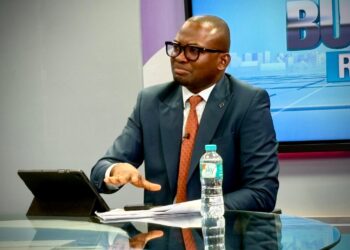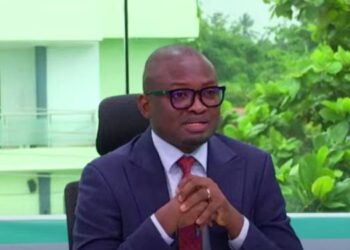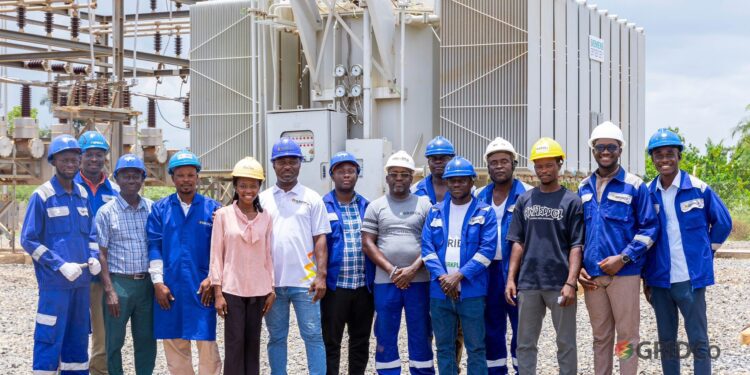
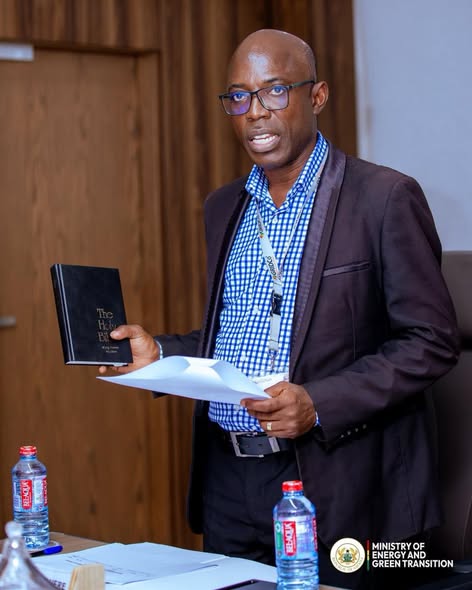
Ing. Frank Asirifi Otchere has been appointed as the Chief Executive Officer of the Ghana Grid Company Limited (GRIDCo), marking a decisive shift in leadership following a period of significant operational instability and infrastructure vulnerability.
This high-level reshuffle comes as the state-owned power transmitter seeks to stabilize the national grid and restore public confidence after a catastrophic fire incident at the Akosombo Power Control Centre earlier this year.
The transition signifies a strategic pivot aimed at reinforcing the technical and administrative oversight of Ghana’s electricity backbone during a sensitive period of transition within the Ministry of Energy and Green Transition.
The leadership overhaul, sanctioned by the GRIDCo Board, extends beyond the top office to include key executive roles designed to bolster both fiscal and operational efficiency.
“The Board expects all staff to cooperate fully with the new leadership to ensure the effective execution of GRIDCo’s mandate. These immediate appointments are essential for maintaining the integrity of our transmission system during this investigative period.”
GRIDCo

Ing. Samuel Nkansah has been confirmed as the Deputy Chief Executive in charge of Finance and Resources, while Ing. Samed Abdul Ibrahim, who previously headed the Project Implementation Unit, steps into the role of Acting Deputy Chief Executive for Engineering and Operations.
This restructuring was necessitated by a directive from the Minister for Energy and Green Transition, John Abdulai Jinapor, which required the former Acting Chief Executive, Ing. Mark Awuah Baah, to step aside on April 26, 2026.
This move was intended to facilitate an unhindered, independent inquiry into the April 23 fire that crippled the national network, leading to a massive loss of power estimated between 720 and 1,000 megawatts and forcing a temporary halt on electricity exports to neighboring West African partners.
The Akosombo Crisis and Administrative Accountability
The fire at the Akosombo Power Control Centre was more than a localized technical failure; it was a systemic shock that triggered a nationwide review of energy infrastructure.
The resulting “leadership shake-up” serves as a direct response to the massive supply disruptions that plagued the Electricity Company of Ghana’s distribution network, particularly impacting the Ashanti Region and industrial hubs.
By appointing Ing. Otchere, a seasoned professional within the energy sector, the government is signaling a commitment to “technical excellence and administrative transparency” as the country grapples with the fallout of the blaze.
Restoring Stability Through Engineering Excellence
The primary objective of Ing. Frank Asirifi Otchere’s administration will be to mitigate the risks of future grid collapses by modernizing the aging infrastructure at Akosombo and other critical nodes.
With Ing. Samed Abdul Ibrahim moving from the Project Implementation Unit to Engineering and Operations, there is a clear intent to fast-track the “Project Implementation” phase of grid upgrades that had previously stalled.
This change is expected to enhance Ghana’s energy stability by integrating more resilient monitoring technologies at the Power Control Centres, ensuring that a single fire cannot again result in the loss of nearly 1,000 megawatts of power.
Furthermore, the focus on “Green Transition” under Minister John Abdulai Jinapor suggests that the new GRIDCo leadership will be tasked with better integrating renewable energy sources into the national grid.
Stability in the modern era requires a flexible transmission system capable of handling variable inputs from solar and wind, alongside traditional hydro and thermal sources.
By aligning GRIDCo’s leadership with the Ministry’s broader vision, the new executive team is positioned to transform the current crisis into a catalyst for a more robust, diversified, and stable energy future for Ghana.
Strategic Outlook for Ghana’s Power Sector
As the investigations continue, the immediate priority remains the full restoration of the national grid’s capacity and the resumption of energy exports, which are vital for the country’s foreign exchange reserves.
The “operational disruptions nationwide” served as a wake-up call for the necessity of redundant systems and more rigorous maintenance protocols.
The new management’s ability to navigate these technical challenges while managing the “financial and resources” aspect under Ing. Samuel Nkansah will be the ultimate litmus test for this reshuffle.
Ultimately, the success of Ing. Otchere’s tenure will be measured by the reduction in unannounced outages and the successful implementation of the recommendations arising from the Akosombo fire inquiry.
As the energy sector watches closely, the hope is that this leadership change marks the end of the “temporary suspension of electricity exports” and the beginning of an era of uninterrupted power supply.
The government remains steadfast that these changes are the first step in ensuring that the nation’s energy infrastructure is not only repaired but reinvented to meet the demands of a growing economy.
READ ALSO: Black Princesses Qualify for Eighth Straight World Cup