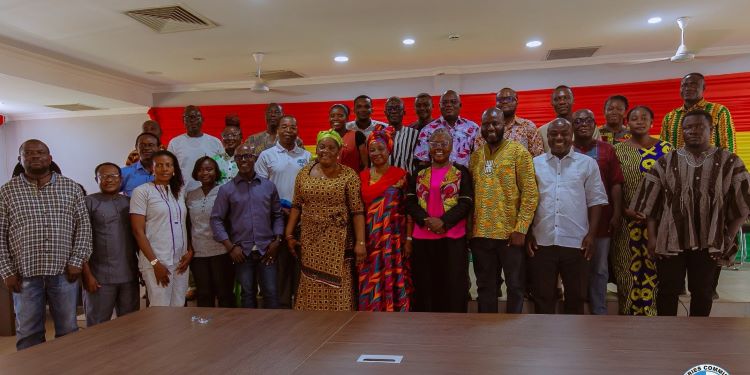
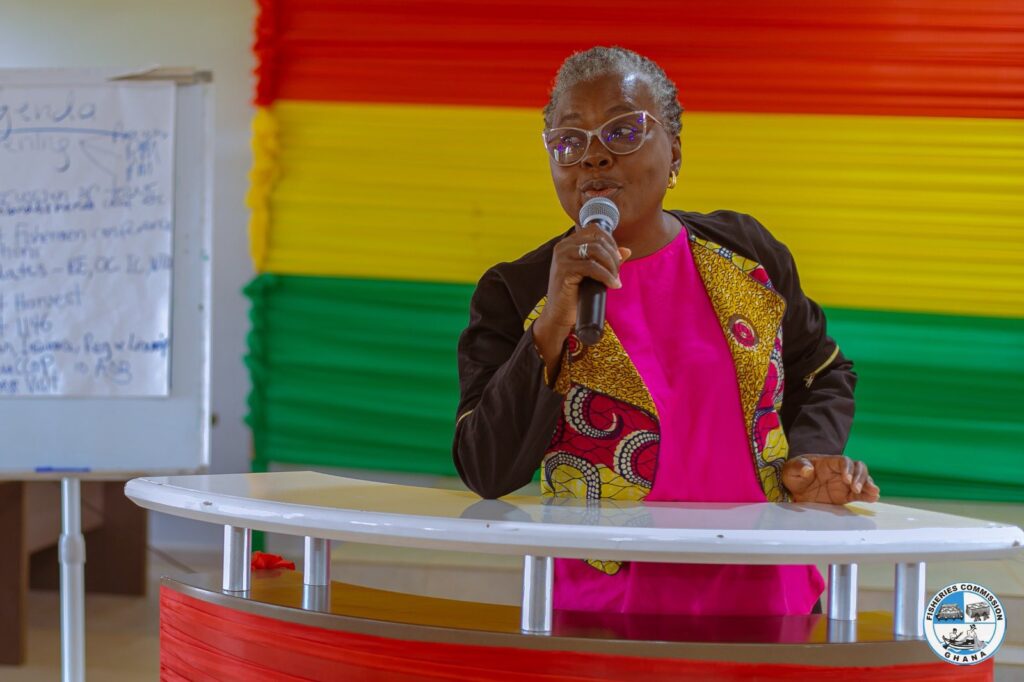
The Minister for Fisheries and Aquaculture Development, Hon. Emelia Arthur, has moved to institutionalize the findings of her nationwide inland tour by summoning all sixteen Regional Directors of the Fisheries Commission to a high-stakes strategic summit in Techiman.
This convergence, recently held at the Bono East Regional Coordinating Council, marks the transition from field observation to the hard-news reality of policy codification, gathering the entire leadership of the Fisheries Commission to launch the drafting phase of a new national doctrine for inland fisheries.
According to the Commission, this is a full-scale administrative alignment aimed at elevating inland fisheries from a neglected sub-sector to a primary pillar of Ghana’s sovereign food security and national stability.
“Minister Emelia Arthur met with all 16 Regional Directors to discuss key issues emerging from the tour and the future of the sector, emphasizing the need for practical interventions to strengthen inland fisheries management and ensure the welfare of those at the heart of the industry.
“The Minister emphasized the importance of fisheries to Ghana’s economy, food security, livelihoods, and national security, stressing the need for practical, long-term interventions to strengthen inland fisheries management nationwide”
Fisheries Commission
The choice of Techiman as the operational base for this summit was a deliberate recognition of the Bono East Region as one of the geographic and economic hearts of the inland fish trade. The meeting served as the primary crucible for the zero-draft Inland Fisheries Management Plan, a document intended to serve as the definitive blueprint for the sector’s industrial evolution.

Hon. Arthur made it clear to the Regional Directors that the survival of the industry depends on a shift from reactive management to a proactive, data-driven governance model, involving a total reconfiguration of how resources are monitored, how welfare is distributed, and how post-harvest losses are mitigated across the country’s vast freshwater networks.
The Minister’s address to the sixteen directors reframed the entire fisheries conversation, moving it away from simple agribusiness and into the realm of national security. In the current global climate of supply chain volatility, the ability of Ghana to provide its own high-quality protein through its inland water bodies is a matter of strategic survival.
Hon. Emelia Arthur emphasized that the Fisheries Commission must see itself as more than a regulatory body; it is the guardian of a resource that supports millions of livelihoods and provides the national primary nutritional baseline.
The Regional Directors were tasked with translating this high-level vision into localized operations, ensuring that the draft management plan addresses the specific ecological and economic realities of each of the sixteen regions.
Codifying The Plan
The central thesis of the Techiman summit was the refinement of the zero-draft Inland Fisheries Management Plan. The document is intended to be the first comprehensive governance framework specifically tailored to the inland sector, which has operated in the shadow of marine-centric policies.
The plan covers everything from protecting breeding grounds to introducing modern aquaculture technologies. The discussion among the directors highlighted lessons learned from the ongoing tour, specifically the need for transparent fuel pricing and better organizational structures for the fisherfolk themselves.
For the Ministry of Fisheries and Aquaculture Development (MoFAD), the move toward an Inland Fisheries Conference is the next logical step in this codification process, as it will serve as the platform where the draft plan will be vetted by a broader coalition of stakeholders, including international development partners and the private sector.
The goal is to produce a finalized, legally binding management plan that can attract the type of large-scale capital investment required to transform the sector.
For the Regional Directors, this means moving beyond routine inspections to strategic regional planning, where they must identify and promote specific aquaculture development opportunities within their respective jurisdictions.
With the success of a national management plan requiring absolute political and community buy-in at the regional level, the Bono East Regional Minister, Hon. Francis Owusu Antwi, provided crucial endorsement, affirming the region’s readiness to act as the primary testing ground for these new initiatives aimed at strengthening inland fisheries and aquaculture development.
He noted that regional synchronicity is essential for solving the post-harvest challenges that have limited the profitability of the inland sector. Without cold-chain infrastructure and modernized processing facilities at the regional level, much of the nutritional and economic value of the catch is lost before it reaches the consumer.
The collaboration between the Ministry of Fisheries and the Regional Coordinating Councils aims to identify the specific locations for these infrastructure hubs, ensuring that the sector is supported by a robust physical supply chain.
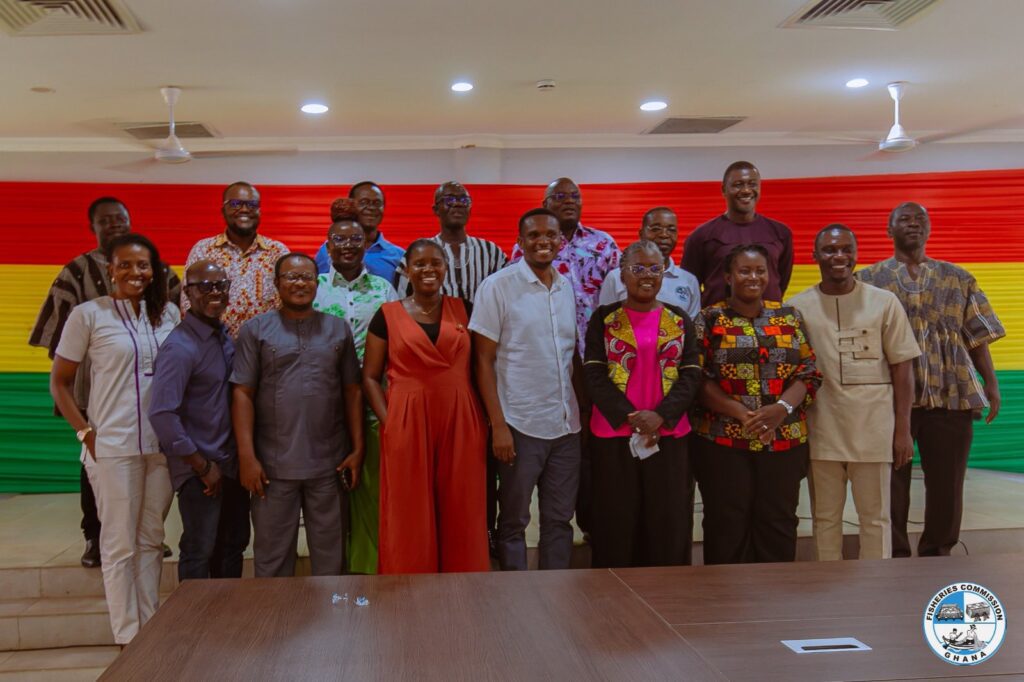
As the summit concluded, the mandate for the sixteen Regional Directors was unmistakable: the era of fragmented, marine-first management is over. The Fisheries Commission is now operating under a unified command structure that treats the Volta Lake and other inland water bodies with the same strategic importance as the Atlantic coast.
Preparing for the upcoming Inland Fisheries Conference will be the Commission’s primary focus over the coming months, as it works to turn the zero-draft plan into a functional reality.
READ ALSO: GCB Bank Customers Land Dream Trips Abroad