The Bank of Ghana has moved swiftly to reassure businesses, investors, and financial institutions that Ghana’s foreign exchange market remains stable despite renewed pressure on the cedi.
In a strong message to the market, the Central Bank insisted there is no cause for panic over recent currency movements, emphasizing that it has adequate dollar reserves to meet demand and support economic stability.
The reassurance comes at a time when concerns have begun to mount across the business community following a fresh wave of cedi depreciation over the past two weeks. Several importers, manufacturers, and financial institutions had raised concerns over access to foreign exchange, triggering fears of possible supply shortages.
However, officials at the Central Bank have firmly dismissed such fears, maintaining that Ghana’s foreign exchange management framework remains intact and responsive to market realities.
Pressure Builds on the Cedi
Recent market data from commercial banks indicate that the Ghana cedi has lost close to 7 percent of its value against major trading currencies since the beginning of the year.
This development has unsettled some players in the business community, particularly firms that depend heavily on imports and international trade transactions.
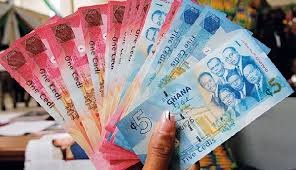
Earlier reports from some commercial banks suggested that not all forex requests submitted during recent auctions were fully satisfied, sparking speculation that the market could be facing supply constraints.
That speculation quickly spread among traders and corporate institutions, causing heightened demand for dollars in certain parts of the market.
But according to sources close to the Central Bank, the current pressure on the local currency should not be interpreted as a sign of weakness or systemic stress.
Officials insist that what the market is experiencing is simply part of normal currency adjustments.
BoG Calls It a Temporary Market Adjustment
Sources within the Central Bank described the recent fluctuations as “marginal blips” rather than signs of deeper economic distress. According to officials, exchange rates naturally respond to shifts in demand, liquidity conditions, and broader market sentiment.
They argue that a currency that appreciates every day without occasional corrections could actually raise concerns among regulators. This perspective reflects the Bank’s broader strategy of allowing the market to function within controlled parameters while stepping in only when economic data justifies intervention.
A senior source familiar with the Bank’s position explained that the foreign exchange market is being closely monitored and any policy response will be guided by data, not market emotions.
That statement appears aimed at calming speculation that the Central Bank may be forced into emergency interventions.

FX Intermediation Programme Remains on Course
At the heart of the Central Bank’s confidence is its ongoing Foreign Exchange Intermediation Programme, which has been a key tool in supporting market liquidity. Officials say the programme remains on track and there is currently no need to alter the annual intervention strategy.
The programme has played an important role in ensuring that commercial banks have access to foreign currency for onward distribution to businesses and import dependent sectors.
By maintaining a structured supply mechanism, the Bank believes it can continue to reduce volatility and prevent panic buying. Financial analysts say this assurance could help stabilize market expectations in the short term.
Many investors often react strongly to signals from the Central Bank, particularly during periods of exchange rate pressure.
Earlier Gains Still Fresh in Market Memory
The latest currency pressure comes after what many described as one of the cedi’s strongest performances in recent years. Data from the Bank of Ghana showed that the local currency appreciated by approximately 24 percent during the first five months of 2025.
That rally boosted confidence across Ghana’s financial markets and helped reduce import costs for many businesses. It also strengthened the country’s macroeconomic outlook and attracted renewed investor attention.
Because of those gains, some market watchers view the current depreciation as a correction rather than a reversal of the broader trend. Analysts note that currencies often experience periods of adjustment after significant appreciation.
Businesses Watching Closely
Despite the assurances from the Central Bank, many businesses remain cautious. Importers are particularly sensitive to exchange rate movements because even small currency losses can significantly affect operational costs, pricing strategies, and profit margins.

Manufacturers who rely on imported raw materials are also closely monitoring the market. Some business executives say stability in forex access remains critical to sustaining production levels and maintaining consumer pricing.
For now, however, the Central Bank insists it has the reserves, tools, and policy flexibility required to manage the market effectively.
All in all, there is no forex crisis, and Ghana’s financial authorities remain fully in control of the situation. As the market continues to watch the cedi’s next move, all eyes will remain on the Central Bank’s interventions and the resilience of Ghana’s broader economic recovery.
READ ALSO: Analyst Predicts New IPO Wave as Ghana Stocks Outperform Global Markets