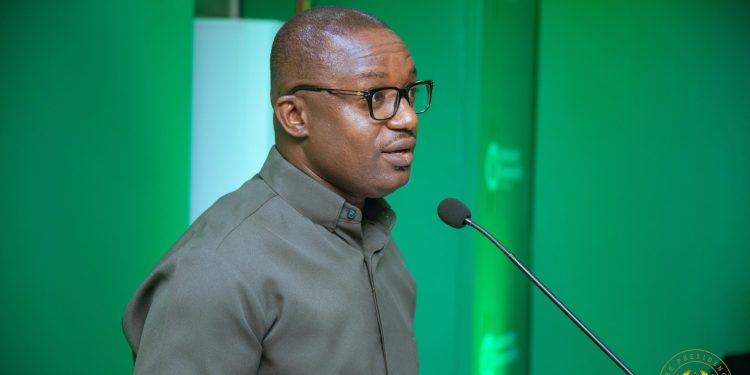
Minister for Energy and Green Transition, Hon. John Abdulai Jinapor, has advanced Ghana’s strategic roadmap to spearhead sub-regional electricity interconnection as a robust defense mechanism against unexpected power supply shortages.
Speaking at the high-profile Africa Energy Technology Conference 2026 held in Accra, the Hon. John Jinapr emphasized that Ghana is aggressively ramping up its cross-border energy frameworks to establish a highly resilient West African power network.
By scaling up the importation of significant, highly reliable quantities of gas and crude oil from Nigeria under structurally enhanced payment mechanisms, the country has fortified its domestic supply capacity.
Simultaneously, Ghana has actively expanded its operational footprint across the sub-region, exporting vital electrical and petroleum products to neighboring nations including Burkina Faso, Togo, and Benin to anchor collective economic stability.
“Clearly, we are doing a lot and we are interconnecting. We intend to take it all the way to our Sahelian countries, to Liberia and other countries because when you do that, what you help is that in times of deficit, another country can fill that void quickly for you. For instance, when we had this crisis with the Akosombo dam, if other countries or neighbours had some excess power and normally you are supposed to have a certain level of redundancy, we could tap from them and help.”
Hon. John Abdulai Jinapor
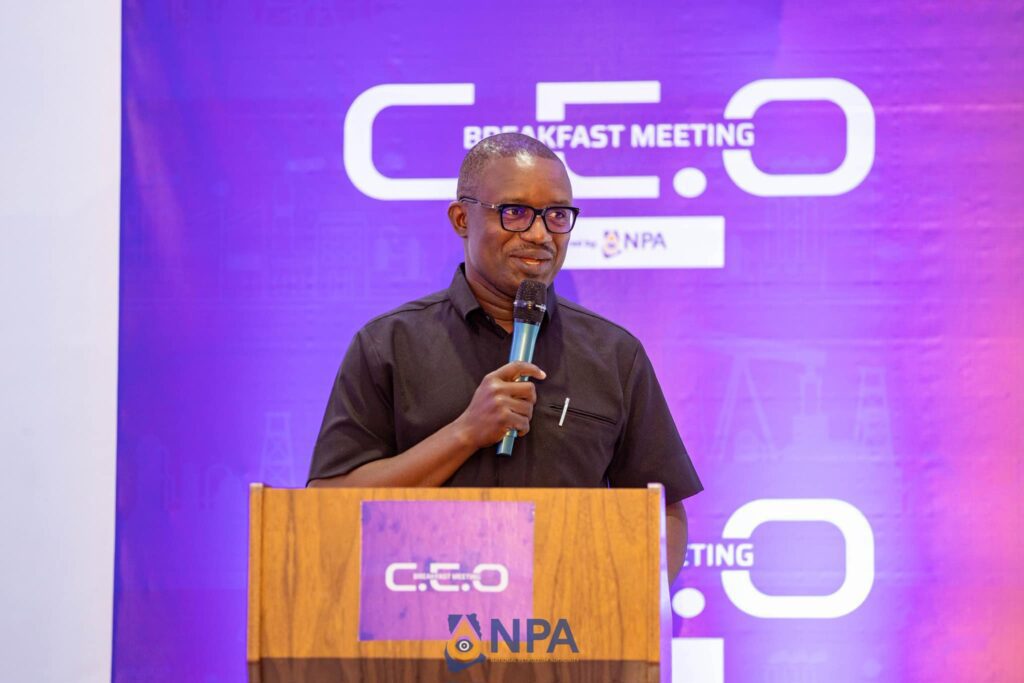
The energy ministry detailed a comprehensive blueprint to extend these critical energy grids deeper into the African continent.
This ambitious infrastructural expansion is designed to reach all the way to the Sahelian countries, Liberia, and other distant nations to build an indispensable cushion of regional energy redundancy.
According to ministerial assessments, building this expansive network is a crucial preventative measure to ensure that whenever any participating nation encounters a sudden generation deficit, another neighbor can immediately deploy its excess capacity to fill the void.
This strategic integration serves as a direct safeguard against internal vulnerabilities, reflecting how the country could have relied on a well-integrated, cooperative backup grid to tap into external, surplus power during previous historical vulnerabilities like the domestic crisis at the Akosombo dam.
Mobilizing Capital and the Role of the Africa Energy Bank
A pivotal component of achieving this uninterrupted regional power trade lies in the rapid deployment of specialized financial frameworks capable of funding large-scale infrastructure.
Hon. John Abdulai Jinapor expressed immense optimism regarding the operationalization of the Africa Energy Bank (AEB) in conjunction with the African Petroleum Producers’ Organization (APPO).
This specialized financial institution is positioned to play a transformative role in mobilizing the monumental amounts of capital required to execute cross-border grid extensions.
The Minister stressed that the entry of this specialized institution means that West African nations can now independently “raise finance in order to trade amongst ourselves.“
Rather than relying on rigid commercial loans that strain national budgets, the establishment of this energy bank will successfully capture and aggregate “patient capital.”
This specific financial backing will operate under concessionary, softer terms, granting developing African states the fiscal breathing room needed to build resilient high-voltage transmission lines without the burden of immediate, high-interest repayments.
Strengthening Africa’s Energy Industry Through Grid Redundancy
A thorough assessment of this pan-African interconnection strategy reveals that its successful execution will fundamentally transform and strengthen the continent’s energy landscape.
By systematically connecting distinct national grids, Africa can transition away from isolated, fragile power ecosystems and move toward a unified, self-sustaining market.

This integration enhances the commercial viability of large-scale generation projects, making them far more attractive to international and domestic investors who seek access to a broader, transnational consumer base.
Furthermore, regional interconnection dramatically optimizes operational efficiencies by balancing localized supply and demand fluctuations.
When countries pool their energy resources, they establish a reliable baseline of technical redundancy that minimizes the widespread economic damage caused by localized blackouts.
This cross-border cooperative network ensures that excess power generated from diverse sources whether hydro, gas, or renewables is never wasted, but instead redirected to where it is needed most, stabilizing the industrial output of the entire sub-region.
Fostering Sub-Regional Solidarity and Market Integration
Beyond the immediate technical and engineering benefits, the expansion of the West African power pool serves as a catalyst for deeper geopolitical solidarity and economic integration.

Establishing a reciprocal trade ecosystem where Ghana “buys crude oil from Nigeria” while simultaneously “exporting to Burkina, Togo, and Benin” builds an interdependent market that binds the economic fortunes of these nations together.
This mutual economic reliance fosters long-term political stability and streamlines regulatory alignment across borders.
Ultimately, as the grid expands toward the Sahelian regions and coastal states like Liberia, it lays down the physical framework for the African Continental Free Trade Area (AfCFTA) to thrive within the utilities sector.
Providing a stable, interconnected power supply lowers the cost of doing business, stimulates local manufacturing, and ensures that sub-Saharan Africa can confidently power its own industrial future through unified, home-grown energy solutions.
READ ALSO: AratheJay Announces Release of ‘The Odyssey Live Audios’ Set for May 25