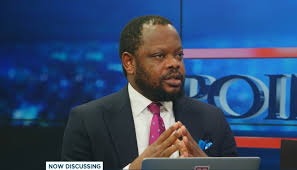
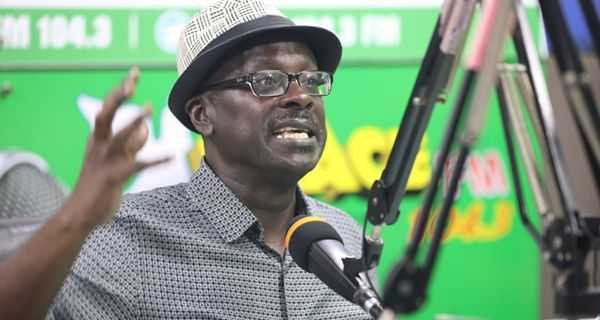
Legal scholar and CDD-Ghana fellow Professor Stephen Kwaku Asare has called for a major shift in the work of Parliament’s Public Accounts Committee, arguing that the committee should focus less on repeating audit exercises and more on identifying systemic governance failures across the public sector.
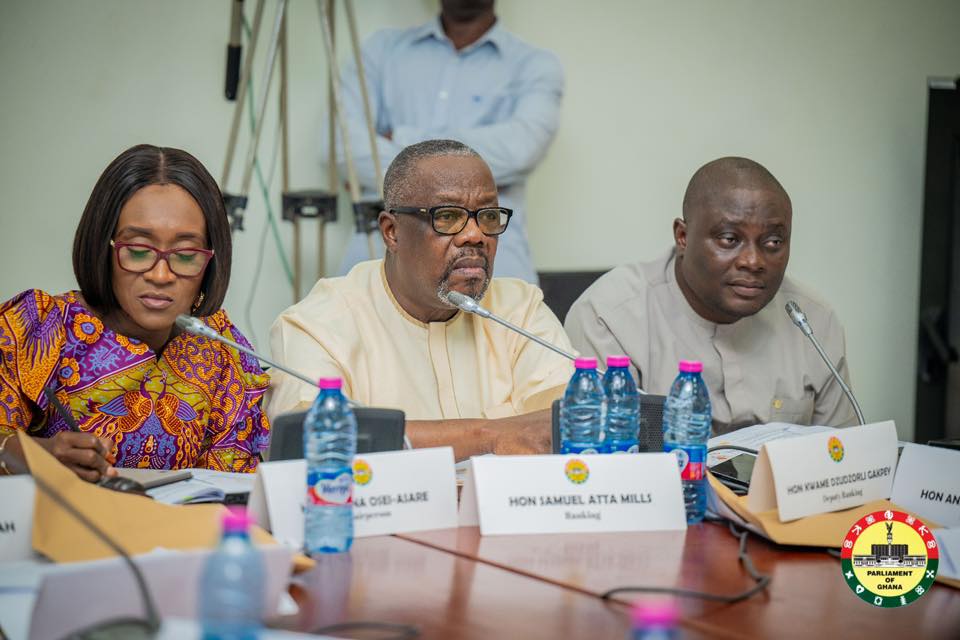
In a detailed public reflection, Professor Asare, popularly known as GOGO, questioned why the Public Accounts Committee continues to spend significant amounts of time summoning public institutions to explain issues that have already been investigated and documented by the Auditor General.
According to him, many PAC hearings have evolved into repetitive institutional interrogations centred on missing receipts, procurement breaches, overspending and delayed projects.
While acknowledging that these questions are legitimate, he argued that they are fundamentally technical audit matters already addressed within the constitutional mandate of the Auditor General.
“GOGO has never fully understood why the Public Accounts Committee spends so much of its time summoning one public institution after another to explain findings already contained in the Auditor General’s reports”.
Legal Scholar and CDD-Ghana Fellow Professor Stephen Kwaku Asare
Auditor General Already Performs Investigative Role
Professor Asare explained that the Constitution already grants the Auditor General broad authority to investigate irregularities, evaluate evidence, determine responsibility and enforce accountability through surcharge and disallowance powers.

He argued that the constitutional audit function is not merely about recording defects in public administration, but also about conducting serious factual and evaluative work before reports reach Parliament.
“The power to disallow unlawful expenditures and surcharge responsible persons necessarily requires the Auditor General Department to investigate facts, assess explanations, evaluate evidence, determine responsibility and reach conclusions about legality and accountability”.
Legal Scholar and CDD-Ghana Fellow Professor Stephen Kwaku Asare
According to him, by the time matters arrive before the Public Accounts Committee, much of the factual and technical work should already have been substantially completed.
He therefore questioned whether Parliament is properly positioned to function as what he described as a “giant audit working paper review committee.”
Shift From Symptoms to Structural Diagnosis
Professor Asare stressed that the real challenge facing public financial accountability in Ghana is not simply isolated institutional breaches, but recurring systemic failures that cut across ministries, departments, agencies, assemblies, universities and state owned enterprises.
He argued that when the same violations appear repeatedly year after year, Parliament’s responsibility should extend beyond examining individual infractions to understanding why institutional controls continue to fail.
“When the same violations recur across ministries, departments, agencies, assemblies, universities and state owned enterprises year after year, the real issue is no longer merely individual institutional failure. It is systemic failure”.
Legal Scholar and CDD-Ghana Fellow Professor Stephen Kwaku Asare
According to him, the Public Accounts Committee’s comparative advantage lies in synthesizing accountability, identifying structural weaknesses, monitoring enforcement, and driving institutional reforms across government. “In other words, PAC should move from auditing symptoms to diagnosing the disease,” he stated.
Procurement Violations as Example
To illustrate his argument, Professor Asare pointed to recurring procurement irregularities identified in Auditor General reports.
Rather than inviting dozens of institutions to explain similar procurement breaches separately, he proposed that PAC should organise thematic national hearings focused on procurement failures across government.
Under such a model, the Auditor General would present aggregated findings showing patterns such as sole sourcing without proper justification, delayed projects, unapproved contract variations and failure to obtain competitive bids.
The hearings would then focus on broader governance questions including why procurement violations persist despite existing legal controls, whether sanctions are effective and whether responsible officers are being disciplined.
He also questioned whether the Public Procurement Authority is exercising effective oversight and whether loopholes within the procurement regime are encouraging abuse.
Broad Institutional Engagement Proposed
Professor Asare proposed that such hearings should involve institutions responsible for managing and enforcing accountability systems rather than only summoning affected agencies.
He suggested that the Auditor General Department should present cross-cutting findings and enforcement data. At the same time, institutions such as the Ministry of Finance, the Public Procurement Authority, and the Office of the Head of the Civil Service should explain weaknesses within the wider governance framework.
He further proposed involving the Local Government Service because district assemblies frequently appear among institutions cited for financial irregularities.

The hearings, he said, could also include selected chief directors, procurement heads and finance officers drawn from repeat offenders as well as institutions that have successfully improved compliance standards.
Where audit findings suggest corruption or abuse of office, he recommended involving institutions such as the Office of the Special Prosecutor, the Economic and Organised Crime Office and the Commission on Human Rights and Administrative Justice.
Focus on Reform and Enforcement
According to Professor Asare, the proposed model would fundamentally transform the nature of parliamentary oversight.
Instead of focusing narrowly on why individual institutions breached procurement rules, PAC would examine why violations continue across government despite existing systems and regulations.
He suggested that such hearings could conclude with cross government reform directives, timelines for corrective action, public repeat offender watchlists, proposals for legislative amendments and periodic compliance reviews.
While acknowledging that targeted hearings for particularly serious cases may still be necessary, he argued that they should become exceptions rather than the foundation of PAC oversight.
Concerns Over Political Theatre
Professor Asare warned that without reforms, the Public Accounts Committee (PAC) risks producing a public spectacle without delivering meaningful institutional correction.
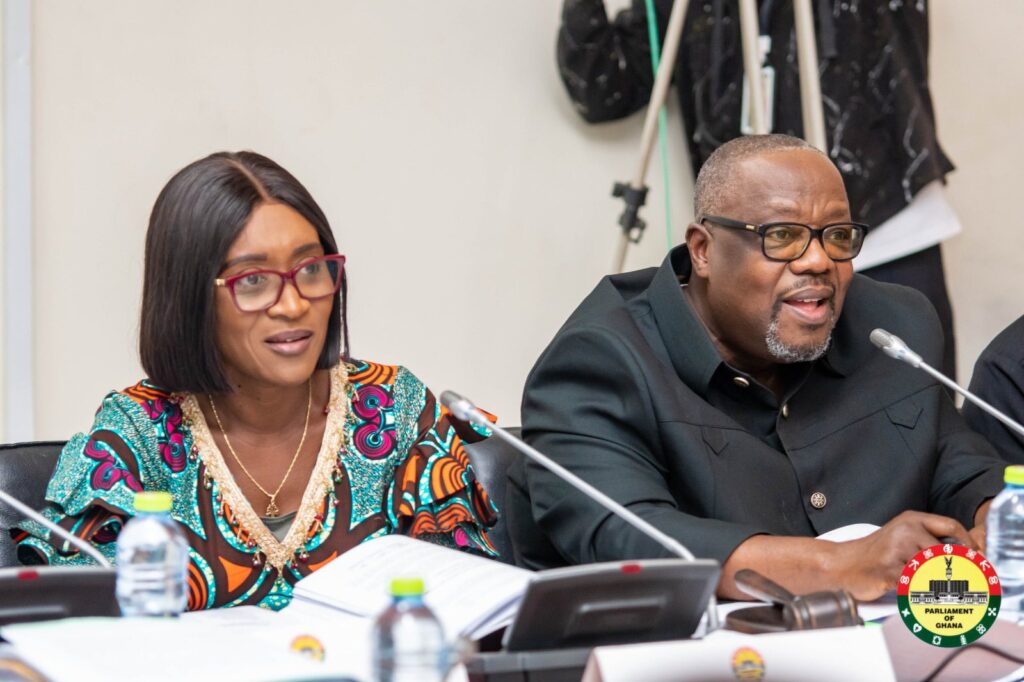
“The Auditor General should primarily establish the facts, determine responsibility and exercise its constitutional surcharge and disallowance powers. The PAC should primarily drive accountability, reform, enforcement oversight and systemic correction across government.”
CDD-Ghana Fellow and legal scholar, Professor Stephen Kwaku Asare
He argued that excessive focus on repeated interrogations may generate headlines and embarrassment but fail to address deeper governance failures that continue to undermine accountability across the public sector..
READ ALSO: Stonebwoy and Kwabena Kwabena Unite for OVO Wembley BHIM Festival