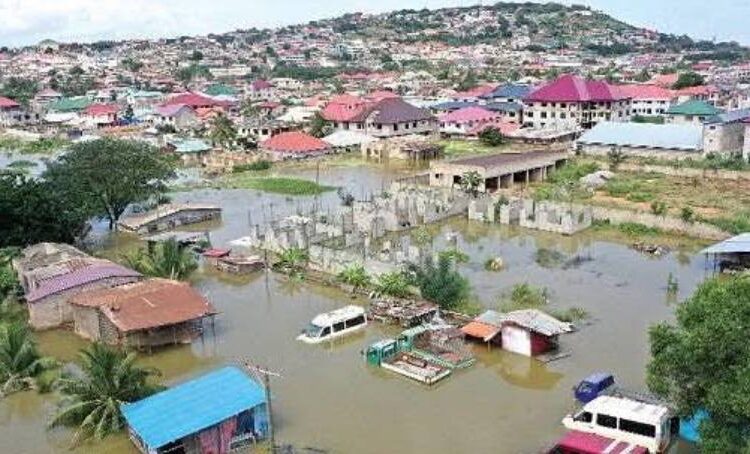
The Director of Communications for the Ghana Water Company Limited, Stanley Martey has clarified that the spillage from the Weija Dam did not begin recently despite renewed flooding concerns across affected Weija communities. He explained that the spillway has been opened since May last year and water discharge continued throughout the period.
He stated the recent downpour across parts of Accra intensified the situation and increased water movement within flood prone areas around the dam. Martey indicated that many residents wrongly associated the flooding with a fresh spillage exercise although the discharge has been ongoing for months.
The Director of Communications stated that the company consistently informed residents about the risks linked to settlements close to the dam and waterways. He added that repeated public education campaigns were organised to encourage residents to relocate from dangerous zones before the peak rainy season.
“The spillage started last year and it has continued till now. What we are seeing currently is heavy rainfall adding pressure to the situation. The rains are worsening the flooding in the area.”
Stanley Martey

Martey stressed that residents also carried a responsibility to protect themselves after receiving several warnings from state agencies over the years. He emphasised that people living close to waterways have enough information to appreciate the dangers associated with remaining within flood prone communities.
The GWCL Head further argued that some residents continued to erect structures within waterways despite repeated caution from authorities. He disclosed that new buildings have emerged beyond designated buffer zones and some structures were now directly within the course of the river.
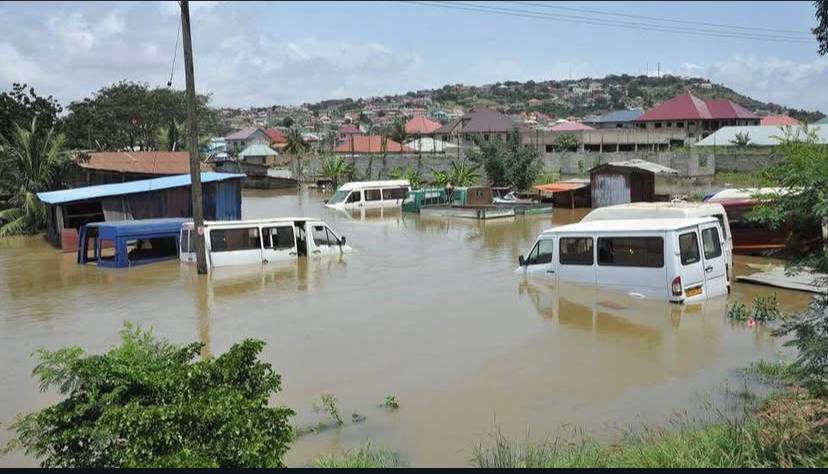
Additionally, the Director pointed to local assemblies as the institutions with the legal authority to regulate construction activities within unauthorised locations. He explained that the Ghana Water Company Limited lacked enforcement powers to demolish structures or prevent people from building in restricted areas.
The GWCL Head also stated that assemblies also bear a responsibility to ensure compliance with planning regulations in communities surrounding the dam
Meanwhile, Martey cautioned that continuous disregard for safety directives could expose more households to future disasters within the Weija enclave. He indicated that annual sensitisation exercises alone would not resolve the problem without cooperation from residents and planning authorities.
Flooded Communities Brace For Continuous Water Discharge
The Director of Communications for the Ghana Water Company Limited, Stanley Martey disclosed that all five spillway gates at the Weija Dam are still fully opened as authorities monitor rising inflows into the reservoir. He explained that water levels have exceeded the maximum operational limit and continuous discharge would continue until safe levels are restored.
Martey explained that the dam currently stood above 48 feet despite ongoing discharge operations by engineers managing the facility. He added that authorities aimed to reduce the level to approximately 45 feet which represented the safe operating threshold for the reservoir.
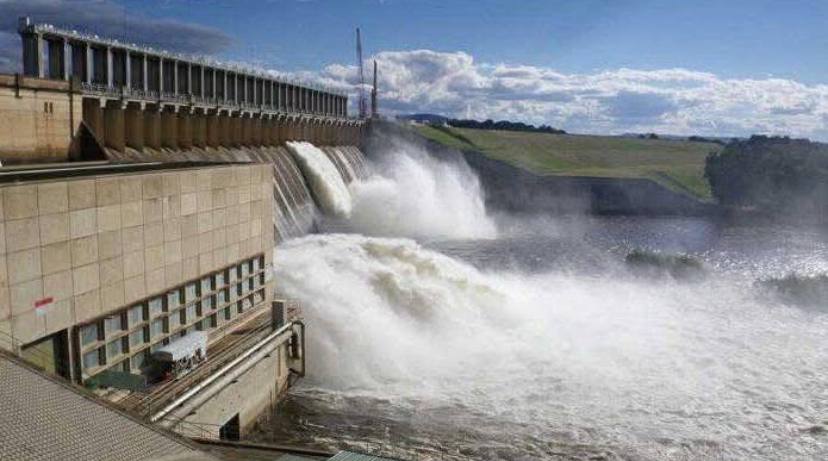
The Director of Communications further disclosed that inflows into the dam will continued even as water is being released through the spillway gates. From his explanation, the situation require sustained monitoring because additional rainfall could prolong the discharge exercise across nearby communities.
The GWCL Head acknowledged the challenges raised by residents in Tetegu and Weija and indicated that engineers would continue spilling excess water until operational safety standards were achieved.
“We will keep spilling until the water recedes to the safe operational level. Currently the level is above the maximum operating point. The inflows into the dam are still increasing.”
Stanley Martey
Moreover, he assured residents that the company is focused on preventing pressure build up within the reservoir through controlled operations. He emphasised that maintaining the structural safety of the dam is critical as the rainy season progresses across the country.
READ ALSO: Volta Region Targets Rural Poverty with Nkoko Nkitinkiti and 24-Hour Economy Agenda