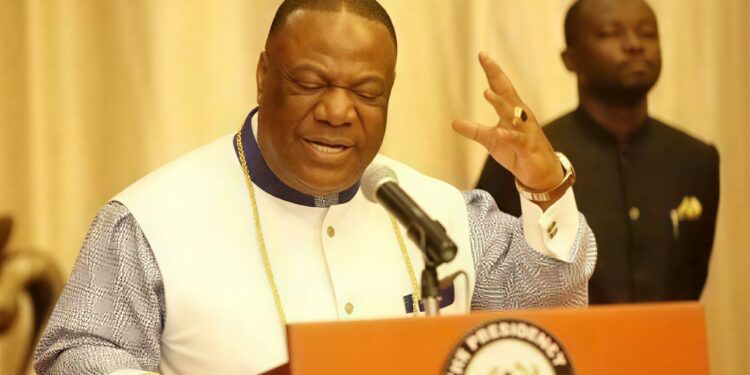
The Archbishop and Founder of the Action Chapel International Nicholas Duncan-Williams has called on African leaders to place vision, values and principled leadership at the centre of national development, saying the future of nations depends on the character of those entrusted with authority.
Speaking at the 4th Inter-Parliamentary Conference on Family, Sovereignty and Values, the Archbishop stated that strong family values is a foundation for producing responsible leaders and stable societies. He explained that nations flourish when leadership is guided by justice, truth and reverence for God.
Duncan-Williams pointed to the experiences of countries such as Singapore, Malaysia, China, South Korea and Finland as examples of how visionary leadership can transform societies within a relatively short period. He added that Dubai’s rise from a desert landscape into a global destination demonstrates the impact of purposeful leadership and long term planning.
He noted that many Africans travel to Dubai for business, investment and leisure because the city has created an environment that inspires confidence. The Archbishop argued that such achievements are the result of leaders who pursued a clear national direction and remain committed to the welfare of their people.
“Family values determine the kind of leadership a nation produces. When leaders honour justice, protect truth and reverence God, a nation emerges victorious and is positioned to succeed.”
The Archbishop Nicholas Duncan-Williams
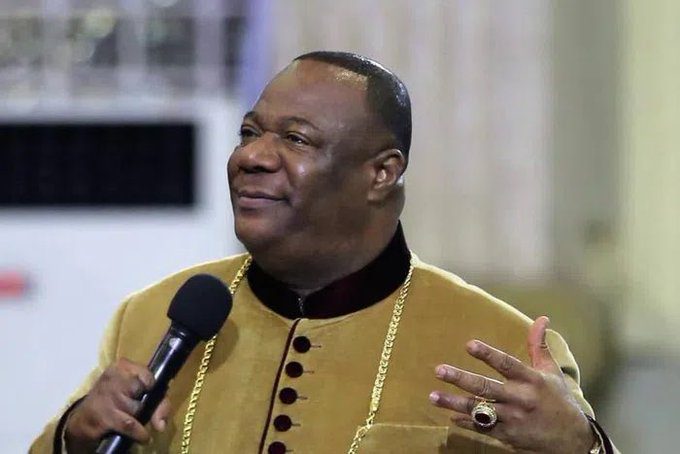
Drawing inspiration from Proverbs 29:18, Duncan Williams stressed that vision provides direction and clarity for societies seeking progress. He cautioned that communities without a shared sense of purpose often struggle to achieve sustainable growth and development.
The religious leader compared the absence of vision to a people wandering without direction, citing the biblical account of Israel’s journey through the wilderness. He observed that nations require clear objectives if they are to overcome recurring challenges and secure long term prosperity.

Furthermore, The Archbishop called for the creation of national visions that transcend political administrations and enjoy broad stakeholder support. He said continuity in national development can only be achieved when governments, institutions and citizens collectively commit to implementing agreed goals.
“We need a national vision that involves all stakeholders and guarantees continuity. Where there is no vision, people become victims of crisis and lose sight of a common destination.”
The Archbishop Nicholas Duncan-Williams
Duncan Williams also referenced reports that countries such as India and China pursue development plans extending over several decades. He suggested that African nations could benefit from adopting similar approaches that prioritise consistency and strategic planning.
Unity And Love For Country Key to Africa’s Future
Archbishop Nicholas Duncan-Williams called for greater unity among African nations, arguing that cooperation and patriotism are critical ingredients for the continent’s progress. He added that development would accelerate when countries embrace collective purpose and shared aspirations.
The Archbishop emphasised that division weakens societies and limits their ability to achieve meaningful outcomes. He cited biblical teachings to support his view that communities thrive when people work together toward common objectives.
Duncan Williams explained that unity creates a multiplier effect that enables nations to accomplish goals beyond the reach of individuals acting alone. He said cooperation among governments, institutions and citizens could unlock opportunities for economic growth and social advancement.
The Archbishop referenced remarks by former President John Agyekum Kufuor, who attributed many of Africa’s challenges to a lack of love for country. He argued that genuine patriotism encourages citizens to protect national assets and work for the collective good.
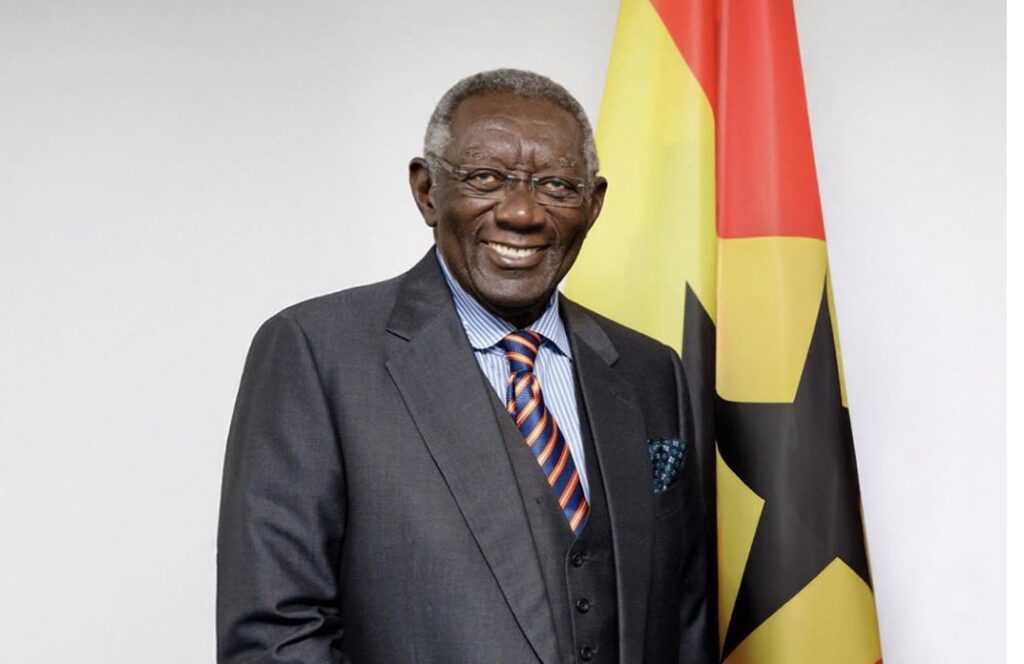
He also recalled the words of former South African President Nelson Mandela, who inspired generations through his belief that difficult goals remain achievable through determination and commitment. Duncan Williams said Africa’s future depends on leaders and citizens choosing what serves national interests above personal considerations.
“Together we are better than divided. If we love our countries, do things the right way and pursue a common vision, Africa can rise to fulfil its potential and achieve its goals.”
The Archbishop Nicholas Duncan-Williams

The Archbishop highlighted Africa’s large mineral wealth and natural resources, noting that prosperity is ultimately built on principles and good governance. He argued that countries become strong when they uphold righteousness, pursue clear goals and place citizens at the centre of development.
In addition, Duncan Williams invoked the vision of Dr Kwame Nkrumah, who linked Ghana’s independence to the freedom and advancement of the wider African continent. He said the continent’s progress requires collaboration among sovereign states pursuing shared objectives.

The religious leader further encouraged state officials to look beyond partisan interests in search of solutions that benefit future generations. He observed that lasting development requires consensus on national priorities and a commitment to policies that endure over time.
Concluding his address, The Archbishop shared his hope of seeing an Africa where young people can build successful lives within their own countries. He expressed confidence that the continent possesses the talent, resources and determination needed to create opportunities for future generations and realise its full potential.
READ ALSO: KATH Suspends Emergency Admissions Amid Severe Congestion Crisis