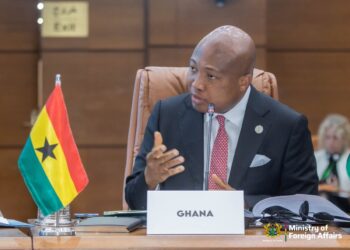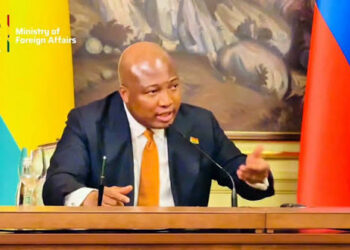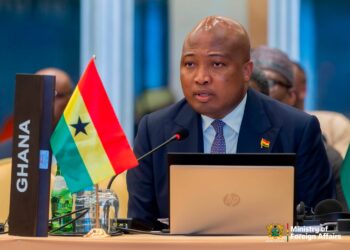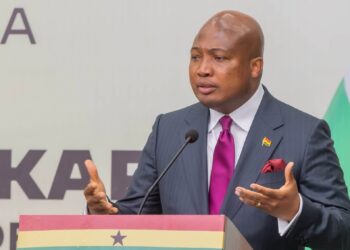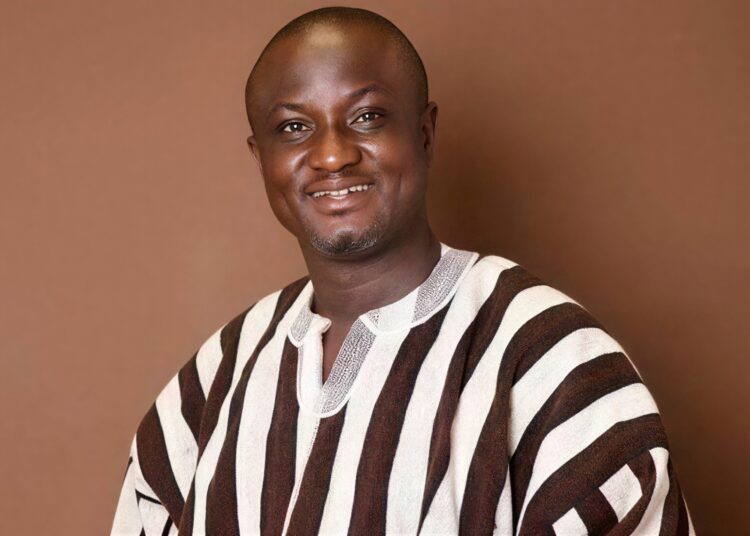
The Member of Parliament of Yendi, Honourable Abdul Fatawu Alhassan has warned that Ghana’s growing flood crisis stems from the failure in land management and planning systems. He stressed that institutional disconnections between traditional authorities and planning bodies has worsened the situation.
Honourable Alhassan explained that he experienced severe flooding in his residential area after waking up during the night. The Member of Parliament described how what was meant to be a routine rest turned into an alarming encounter with rising floodwaters.
“Then I got up and realised that everywhere was flooded. My area was one of the core areas. The Ramsar site around Sakumono is being lost and that space was meant to serve as a detention zone for water.”
Honourable Abdul Fatawu Alhassan
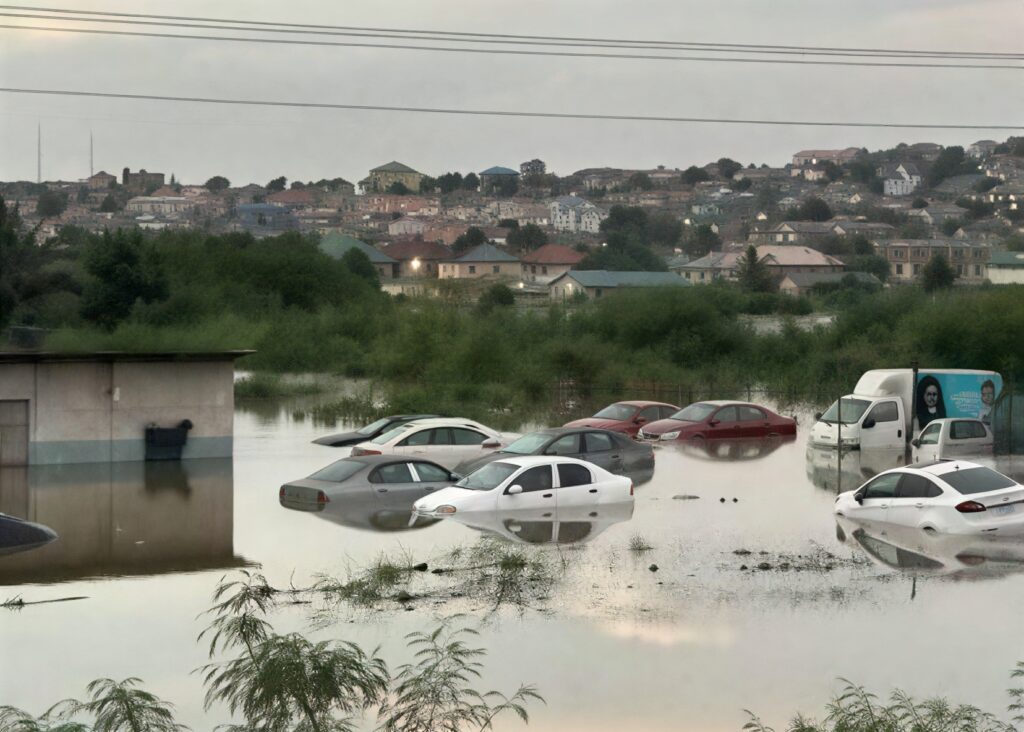
The Yendi MP linked the problem to the destruction of protected wetlands and poor coordination in land use decisions. He observed that rapid development has however reduced natural water detention areas that previously helped control flooding.
Honourable Alhassan further criticised the current land tenure structure, arguing that chiefs and local assemblies operate separately in land allocation and permitting processes. He noted that this disconnect creates confusion in zoning enforcement and weakens planning authority.
“One institution allocates land and another institution issues permits without coordination. So, you are told to build by one authority and stopped by another because zoning rules were never shared.”
Honourable Abdul Fatawu Alhassan
He added that political influence in the appointment of local executives complicates enforcement of planning regulations. The Member of Parliament further indicated that relationships between traditional leaders and district authorities often affect compliance decisions.
Honourable Alhassan stated that reforms must integrate traditional and state planning systems into a single coordinated framework. He suggested that zoning information should guide all land allocations to prevent future disputes and environmental risks.
Furthermore, he called for the need for stronger oversight of estate developments in flood prone areas. The Yendi MP called for structured planning that includes designated water detention spaces within housing projects.
He also highlighted the consequences of unregulated urban expansion. He noted that developments in areas such as Oyarifa and Ayi Mensah have increased pressure on drainage systems downstream.
The Member of Parliament emphasised that failure to align land use planning with zoning regulations continues to expose communities to avoidable flooding. He called for urgent policy reforms to address institutional fragmentation in land governance.
Infrastructure Progress And Urban Drainage Management Questioned
The Member of Parliament of Yendi, Honourable Abdul Fatawu Alhassan expressed concern over delays in the Greater Accra Resilient and Integrated Development project known as GARID.
Honourable Alhassan recalled that the initiative was launched following the June 3 disaster in 2015. He explained that the World Bank provided funding support which later expanded after parliamentary approval for additional financing.
“The GARID project was approved with major components including dredging of the Odaw drain and Nima Palmora channel. The key interventions remain incomplete despite years of implementation.”
Honourable Abdul Fatawu Alhassan
The Member of Parliament noted that the project timeline has shifted several times due to administrative delays and external disruptions. He indicated that although COVID 19 affected early implementation, critical drainage works are still unfinished.
Honourable Alhassan observed that the Odaw drainage system continues to experience rapid siltation despite ongoing dredging efforts. He stressed that recurring flooding shows limited progress in restoring the system’s capacity.
He added that Accra’s natural geography increases its vulnerability to flooding. The MP explained that the city’s low lying terrain and proximity to upstream water flows from Aburi intensify runoff into urban areas.
He further highlighted that unregulated development in upstream communities has reduced natural water retention spaces. The Yendi MP warned that estate expansion without detention infrastructure worsens downstream flooding.
Honourable Alhassan emphasised that drainage infrastructure alone cannot solve the problem without coordinated urban planning. He noted that zoning enforcement and environmental safeguards must guide all construction approvals.
He also pointed to fragmentation between planning authorities and land allocation bodies as a major barrier to effective flood control. The Yendi MP argued that the absence of institutional coordination undermines long term resilience efforts.
Subsequently, he called for renewed commitment to completing key GARID components including dredging works and early warning systems. He stressed that timely implementation would reduce future disaster risks in the capital.
READ ALSO: Prestea Sankofa Gold LTD Secures New Investment to Avert Operational Setbacks