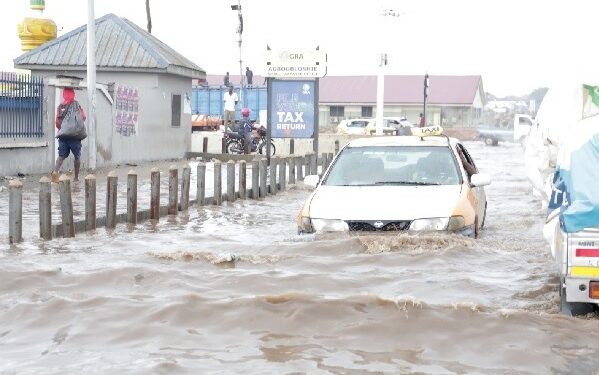
As Accra marked another anniversary of devastating floods, concerns have resurfaced over the slow implementation of a major flood mitigation project intended to address the capital’s perennial flooding crisis.
Data and Policy Analyst Alfred Appiah has raised alarm over the status of the Greater Accra Resilient and Integrated Development Project, popularly known as GARID, arguing that years of financial constraints and delayed disbursements have undermined efforts to strengthen the city’s resilience against flooding.
“We have a $350 million World Bank project called GARID, designed specifically to fix this. But somewhere between the debt default, the IMF programme, and the fiscal consolidation that followed, it became a casualty”.
Data and Policy Analyst Alfred Appiah
His comments come against the backdrop of recurring floods that continue to affect communities across the Greater Accra Region during every major rainy season.
Fiscal Constraints and Project Delays
According to Mr. Appiah, Ghana’s recent economic challenges significantly affected the implementation of the World Bank funded initiative.



He explained that the country’s debt crisis and subsequent fiscal consolidation measures resulted in expenditure cuts that disrupted the flow of funds to critical infrastructure projects.

“Ghana’s economic crisis and resulting fiscal consolidation efforts forced spending cuts. The result was 16 months without a single disbursement,” he noted. He further disclosed that the government imposed a ceiling on project disbursements last year and redirected funds from the project’s designated account.
“For instance, the government introduced a funding ceiling on project disbursement last year and swept 13.8 million cedis from the project’s designated account. While Accra flooded every season, contractors demobilized and drain works stalled”.
Data and Policy Analyst Alfred Appiah
The GARID Project was established to improve flood risk management, upgrade drainage infrastructure and strengthen the resilience of vulnerable communities within the Greater Accra Metropolitan Area.
Slow Progress Raises Concerns
Six years after implementation began, Mr. Appiah argues that progress has fallen short of expectations. He revealed that only 40 percent of the initial 350 million dollar funding allocation has been utilised. He pointed to several components of the project that remain incomplete.
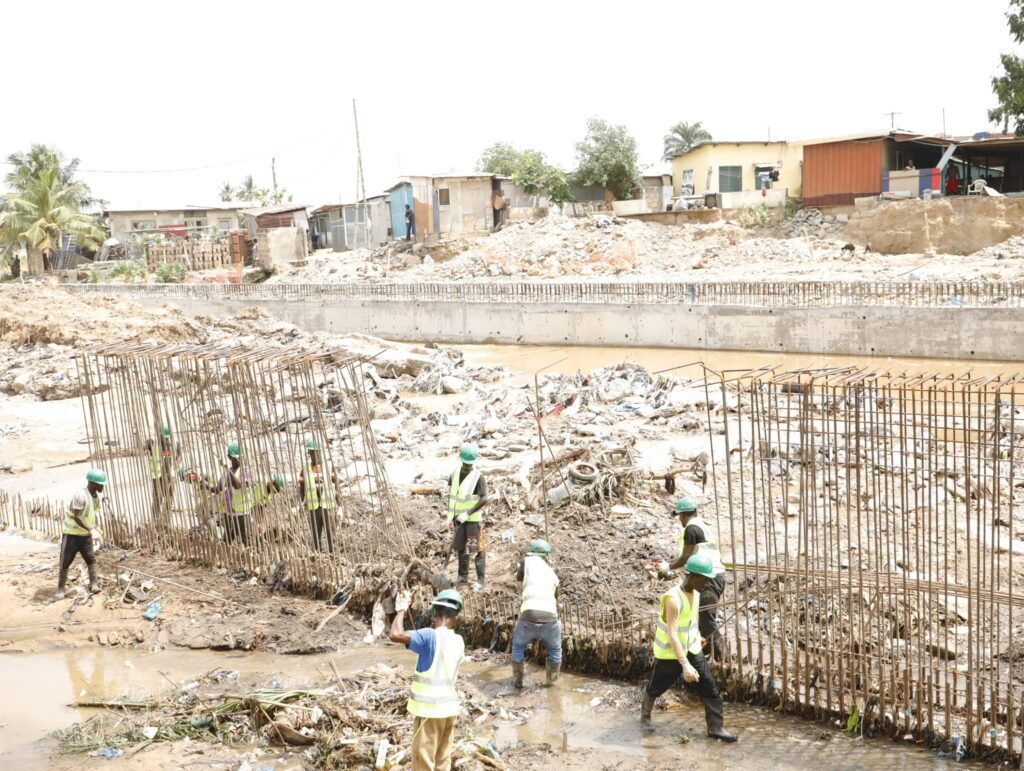
“Detention ponds not built. The Ayidan landfill not built. Nima’s wastewater sewers are not completed. Over 3,370 displaced persons profiled but not yet compensated. And the entire $150 million additional financing approved in 2023 remains completely untouched”.
Data and Policy Analyst Alfred Appiah
The stalled interventions have renewed public concerns about whether the city is adequately prepared to withstand future extreme weather events. Mr. Appiah indicated that the World Bank has formally cautioned Ghana over the pace of implementation and the need for sustained financing.
The warning adds urgency to efforts aimed at restoring confidence in the project’s delivery mechanisms and ensuring that critical flood control infrastructure is completed.
Flood mitigation experts have long maintained that delayed investments in drainage systems often translate into greater economic and human costs during periods of intense rainfall.
Government Takes Corrective Steps
Despite the concerns raised, the analyst acknowledged recent measures undertaken by government to address the financing gaps affecting the project. “To its credit, government has begun responding,” Mr. Appiah noted.
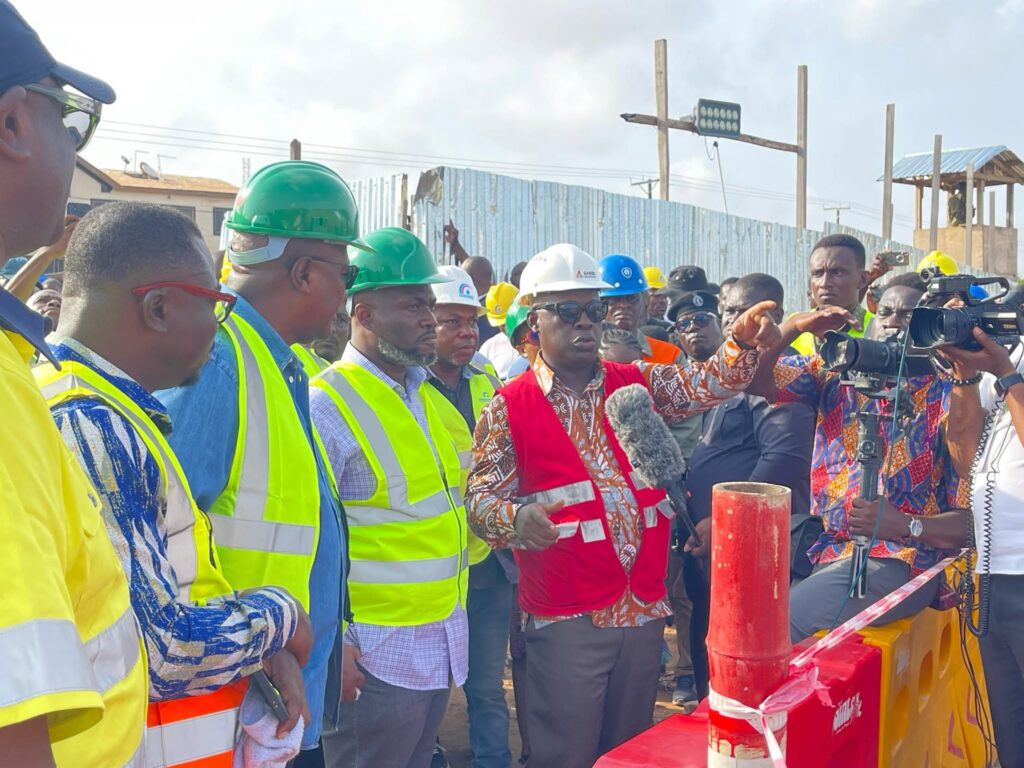
“The swept funds were returned in March 2026, a withdrawal application of $10.5 million was processed, and a formal restructuring request was submitted. Steps in the right direction, but the World Bank’s own assessment notes these have only partially eased the financing gap.”
Data and Policy Analyst Alfred Appiah
Accra’s flooding crisis has remained one of the capital’s most pressing urban challenges for decades. Rapid urbanisation, inadequate drainage infrastructure, poor waste management practices, and the proliferation of unauthorized structures along waterways continue to compound the problem.
Major flood prone communities such as Kwame Nkrumah Circle, Kaneshie, Alajo, Adabraka, Mallam, Glefe and sections of the Spintex and Adenta corridors have repeatedly experienced severe flooding during the rainy season.
Experts attribute the situation partly to the heavy silting of major drains, including sections of the Odaw River and Korle Lagoon, as well as widespread plastic waste blockages that restrict the free flow of stormwater into the sea.
Concerns have also been raised over weak enforcement of planning regulations, which has allowed developments to encroach on natural drainage channels and flood plains.
Beyond Remembrance
For Mr. Appiah, commemorating the June 3 tragedy should extend beyond annual reflections on lives lost. “June 3 demands more than remembrance. It demands follow-through,” he stressed.

His call reflects growing public sentiment that effective implementation of existing interventions is essential if the cycle of destruction associated with Accra’s annual floods is to be broken. As another rainy season unfolds, residents and policymakers alike face renewed pressure to ensure that commitments translate into action.
For many Ghanaians, the true measure of progress will not lie in promises or project approvals, but in the extent to which communities are protected from disasters that have become all too familiar.
READ ALSO: Xi Jinping Arrives in North Korea