Seven OPEC+ nations have agreed to increase oil production by 188,000 barrels per day starting in July, marking the first step toward unwinding the additional voluntary supply cuts they imposed in 2023 as the coalition seeks to balance market stability with recovering demand.
The strategic decision reflects an effort by the member nations to test the waters of the global market without causing immediate downside volatility.
By focusing on a minor, gradual adjustment, the alliance aims to ensure that prices remain supported while satisfying a projected uptick in energy consumption across importing economies.
“The additional voluntary adjustments announced in April 2023 may be returned in part or in full subject to evolving market conditions and in a gradual manner. They reaffirmed the importance of adopting a cautious approach and retaining full flexibility to increase, pause, or reverse the phase-out.”
OPEC+ nations
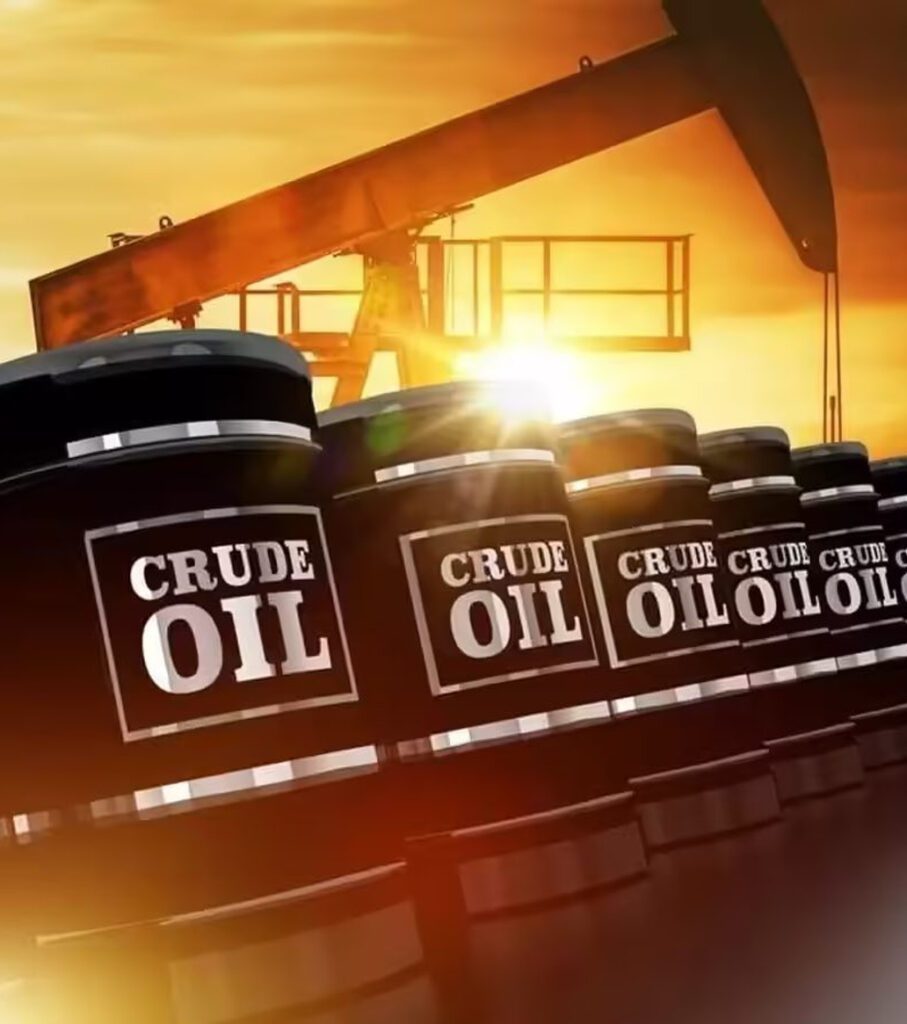
Saudi Arabia, Russia, Iraq, Kuwait, Kazakhstan, Algeria, and Oman met to review global market conditions and agreed to implement the production adjustment from the voluntary curbs first announced in April 2023, according to a statement from the group.



The incremental output boost represents a cautious test of market appetite for additional supply, with the coalition emphasizing it retains full flexibility to reverse course should prices weaken.
Additionally, the participating nations agreed to extend their compensation period through the end of December 2026, giving countries that have overproduced since January 2024 more time to make up the difference.
The Joint Ministerial Monitoring Committee will oversee compliance with both the production adjustments and compensation plans, creating a rigorous structural framework to ensure individual state compliance remains tightly monitored over the next two years.
Balancing Market Stability and Global Appetite
The measure will provide an opportunity for the participating countries to accelerate their compensation, signaling that the output increase is partly designed to allow overproducers to align their actual production with stated targets.
To prevent individual non-compliance from undermining collective price floors, the coalition committed to monthly meetings to assess market conditions, conformity, and compensation progress.
The next gathering is scheduled for July 5, 2026, just days before the new production levels take effect.
According to analysts, this continuous surveillance helps maintain unified messaging despite persistent questions about individual member compliance, reinforcing their “collective commitment to achieve full conformity with the Declaration of Cooperation.”
The careful calibration of this policy shift highlights how the alliance seeks to avoid a repeat of the price volatility that followed previous uncoordinated supply changes.
By keeping the increase modest, OPEC+ gives its overproducing members the operational breathing room required to balance their ledgers while keeping total supply tightly bound.
This defensive coordination underscores the cartel’s determination to present a single, unyielding front to Wall Street commodity desks and global energy consumers alike.
Navigating Geopolitical Headwinds and Rising Supply Competitors
The decision is to help OPEC+ navigate a complex landscape of geopolitical supply risks, uncertain Chinese demand, and the potential for increased non-OPEC output from the United States, Brazil, and Guyana.
The gradual approach to unwinding cuts reflects lingering concerns about global economic growth and the pace of oil demand recovery.
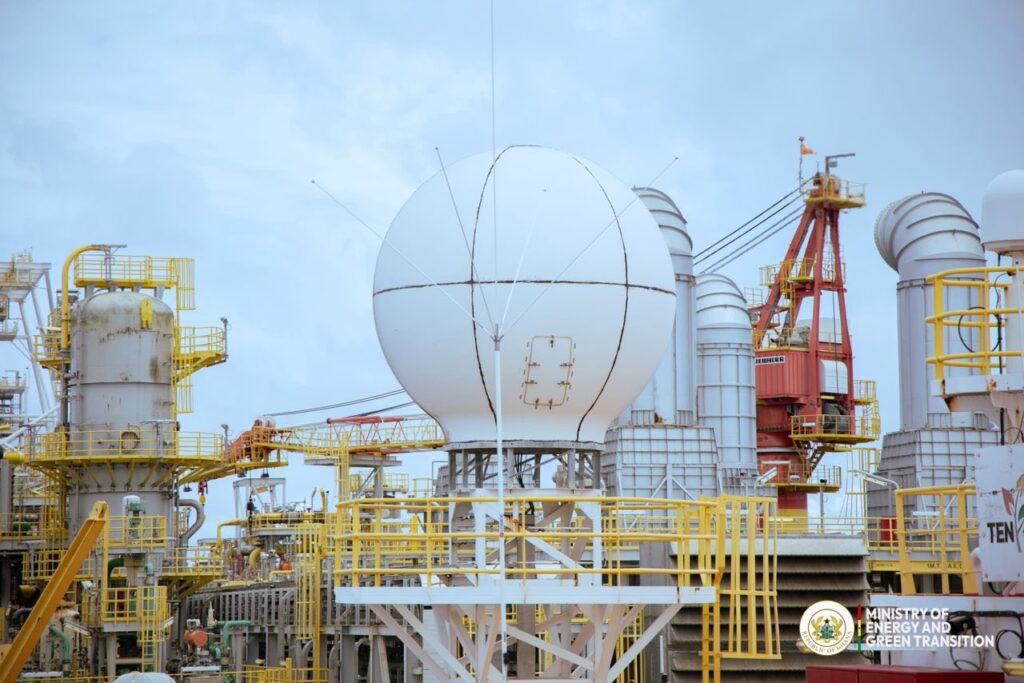
Because Brent crude prices have traded in a relatively narrow range in recent weeks as traders weigh these competing factors, the modest size of the July increase, 188,000 barrels, represents a fraction of the group’s total cuts.
This supply expansion arrives at an intricate moment for international energy markets, as accelerating non-OPEC production threatens to erode the group’s market share.
Global Oil Market Implications and Price Trajectories
The broader financial implications of this supply increase will ripple through international commodity markets, directly affecting commercial inventory drawdowns and refinery margins.
If global economic growth continues at its current, uneven clip, an influx of crude even one as minute as 188,000 barrels per day could expand regional crude surpluses if not met by robust summer manufacturing activity.
Traders are highly sensitive to these shifts, meaning that any sign of weakening demand could trigger algorithmic sell-offs, prompting OPEC+ to quickly deploy its promised policy flexibility.

Furthermore, the extension of the compensation window out to December 2026 reveals that internal production disparities are more deeply entrenched than the group publicly signals.
If overproducing states fail to curb their output while the formal production baselines slowly elevate, the actual volume of oil hitting the market could exceed the stated target.
Consequently, the success of this July transition hinges entirely on whether the monitoring committee can effectively compel lagging members to execute their promised compensatory rollbacks.
READ ALSO: Ghana’s Top Comedians Bring Black Star Tour to American Stages