Ghana’s economy has delivered another impressive performance, recording a growth rate of 6.4 percent in the first quarter of 2026, according to the latest Gross Domestic Product (GDP) estimates released by the Ghana Statistical Service (GSS).
The latest figure marks an improvement over the 6.2 percent growth recorded during the same period in 2025 and reinforces confidence that the country’s economic recovery is gaining strength.
The strong performance comes at a time when many economies around the world continue to grapple with uncertainty, inflationary pressures and slowing growth. Ghana’s ability to maintain and even improve its growth trajectory highlights the resilience of key sectors that continue to power economic activity.
Even more encouraging is the performance of the non-oil economy, which expanded by 6.3 percent during the period. This demonstrates that growth is becoming increasingly diversified and less dependent on a single sector.
Services Sector Leads the Charge
The Services sector emerged as the biggest contributor to economic growth in the first quarter, expanding by an impressive 7.1 percent and accounting for nearly half of total GDP growth.
A major driver of this success was the Information and Communication sub-sector, which recorded a remarkable growth rate of 25.2 percent. The rapid expansion reflects increasing digital adoption, growing investments in technology infrastructure and rising demand for digital services across the country.
Transport and Storage also posted strong growth of 13.0 percent, benefiting from increased economic activity and improved logistics operations. Trade and Repair of Vehicles followed closely with a 9.0 percent expansion, highlighting robust consumer demand and commercial activity.
The impressive performance of the services industry underscores the growing importance of technology, commerce and logistics in shaping Ghana’s economic future.
Mining Sector Powers Industrial Growth
The Industry sector recorded growth of 6.9 percent, significantly higher than the 4.1 percent achieved during the same quarter last year.
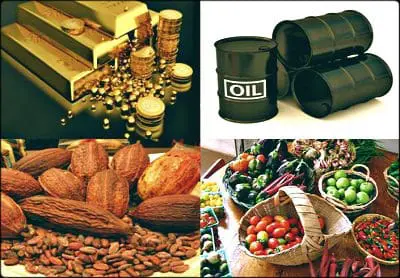
At the heart of this expansion was the Mining and Quarrying sub-sector, which grew by 10.7 percent. Ghana’s mining industry continues to serve as a major pillar of the economy, supported by strong production levels and favorable global demand for mineral exports.
The Oil and Gas sector also staged a notable recovery, posting growth of 7.0 percent. The rebound provides further evidence that industrial activity is regaining momentum and contributing meaningfully to national output.
The combination of mining, oil and gas has strengthened industrial performance and created a solid foundation for broader economic expansion.
Agriculture Maintains Positive Momentum
Although agriculture recorded the slowest growth among the three major sectors, it still achieved a respectable expansion rate of 4.0 percent.
Forestry and Logging emerged as one of the strongest performers within the sector, growing by 9.0 percent. Crop Production also delivered encouraging results with growth of 4.7 percent, supporting food supply and rural economic activity.
However, challenges remain. The Fishing sub-sector contracted sharply by 18.5 percent, making it the weakest-performing segment of the economy during the quarter. Industry observers believe addressing challenges in fishing will be critical to ensuring balanced growth across the agricultural sector.
Despite these setbacks, agriculture continues to play a crucial role in employment generation and food security.
Economic Momentum Remains Intact
The latest data suggests that Ghana’s growth story is not only strong but also sustainable.
On a seasonally adjusted basis, real GDP increased by 1.6 percent quarter-on-quarter, indicating that economic activity continued to expand steadily throughout the period.
Additional evidence of sustained momentum came from the Monthly Index of Economic Growth (MIEG), which recorded growth rates of 6.1 percent in January, 7.7 percent in February and 5.4 percent in March.
These figures indicate that growth remained relatively strong across all three months, providing confidence that economic activity is maintaining an upward trajectory.
Winners and Losers in the Economy
Among the fastest-growing segments of the economy were Information and Communication, Transport and Storage, Mining and Quarrying, Trade and Repair of Vehicles, and Forestry and Logging.
Conversely, sectors facing significant challenges included Fishing, Accommodation and Food Services, Water and Sewerage, Real Estate, and Health and Social Work.
The contrast between rapidly expanding and struggling sectors highlights the evolving nature of Ghana’s economy, where technology, trade and resource-based industries are increasingly becoming dominant growth engines.
Outlook Remains Positive
The latest GDP figures paint a promising picture for Ghana’s economy. Strong performances from services, mining, trade and transport continue to drive growth, while the resilience of the non-oil economy demonstrates increasing diversification.
As policymakers focus on sustaining economic stability, attracting investment and supporting struggling sectors, the country appears well-positioned to maintain its growth momentum throughout the year.
For businesses, investors and consumers, the first-quarter results provide a strong signal that Ghana’s economic recovery remains firmly on track and that key industries are delivering the growth needed to support long-term development and prosperity.
READ ALSO: TCDA Accelerates Regulatory Framework with Savannah Regional Office Expansion