A joint technical team from the Ministry of Energy and the Bui Power Authority (BPA) has undertaken a comprehensive monitoring and evaluation exercise to assess the progress of ongoing power generation and renewable energy projects at the Bui Generating Station (BGS) and the Yendi 50MWp Solar Project.
The technical assessment aligned with the broader administrative framework to ensure the timely completion of crucial national utility assets. Facilitating strict administrative adherence, the collaborative deployment evaluated the real-time operational metrics across both primary state facilities.
“The team reviewed implementation progress, observed ongoing construction and operational activities, engaged project personnel and received updates on key milestones achieved, as well as challenges requiring attention. The monitoring and inspection exercise concluded successfully on June 20, 2026, providing the Ministry with firsthand insight into project implementation and operational performance. The exercise also strengthened collaboration between the Ministry and the Bui Power Authority in advancing Ghana’s energy development agenda.”
Bui Power Authority (BPA)
The inspection formed part of the Ministry’s oversight, monitoring and evaluation mandate aimed at ensuring the successful implementation of strategic energy infrastructure projects across the country.
Led by Ms. Linda Agyepong, Deputy Director of the Policy, Planning, Budgeting, Monitoring and Evaluation (PPBME) Directorate, the ministerial delegation carefully scrutinized the operational frameworks.
The delegation also included Ms. Abibatu Abdulai, Head of Monitoring and Evaluation, and Public Investment Officers Mr. Nana Yaw Yankson and Ms. Swancy Clottey. This multi-sectoral delegation engaged local operational units to reconcile technical progress reports with physical infrastructure installation milestones.
Technical Assessment and Site Operations at BGS
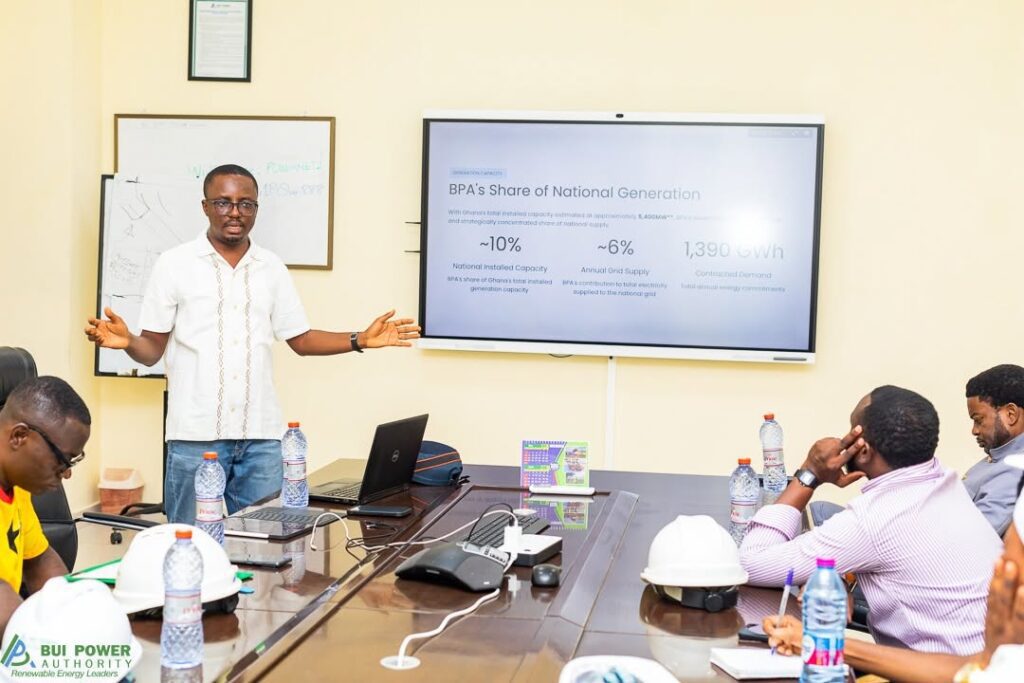
The oversight exercise commenced at the Bui Generating Station with an opening session attended by Mr. Cyril Ankra, Director of Power Operations, alongside representatives from the Renewable Energy Department, Engineering Services Department, and Power Operations Department.
During the session, Director of Engineering Services, Mr. Kwaku Akosa, delivered a presentation highlighting the Authority’s power infrastructure development, current power production levels, maintenance activities, and progress on ongoing projects. He also outlined projections for the Authority’s future power generation capacity.
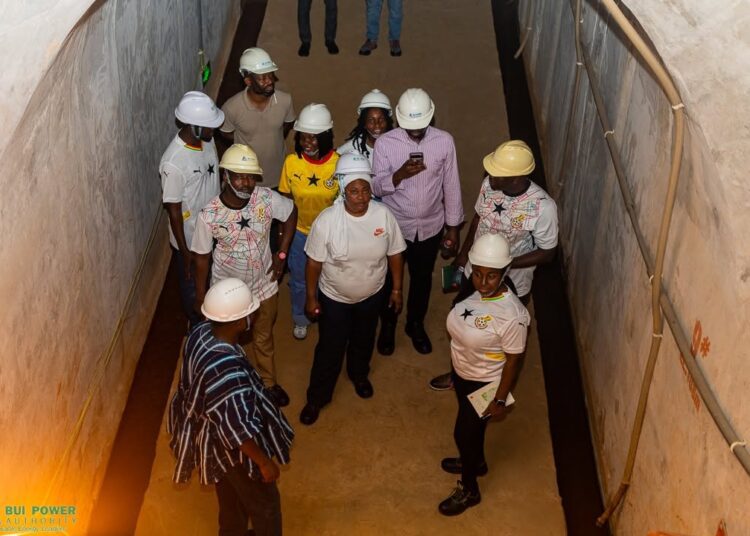
Following the initial high-level presentation, the joint team embarked on extensive site inspections and project tours at both the Bui Generating Station and the Yendi Solar Project.

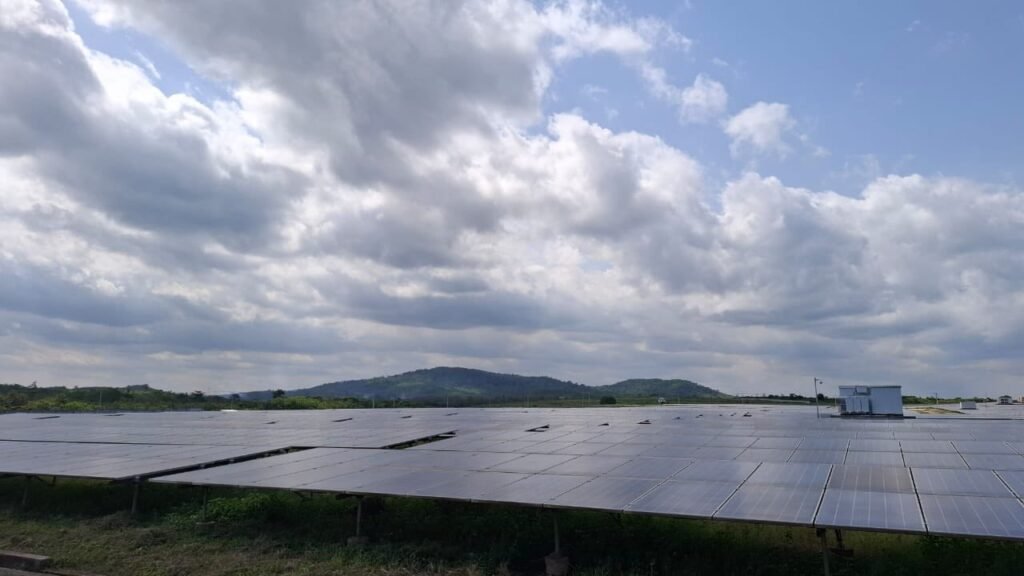
At the primary Bui facility, the team inspected the 50MWp Solar Expansion Project, the 20MWp Solar Project, as well as operations at the dam and solar facilities.
The team reviewed implementation progress, observed ongoing construction and operational activities, engaged project personnel, and received updates on key milestones achieved, as well as challenges requiring attention.
Strategic Impact on Ghana’s National Grid
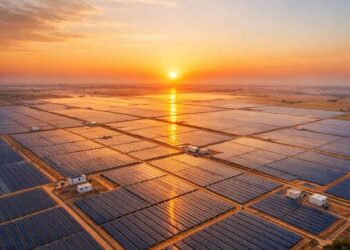
The integration of the 50MWp Solar Expansion Project and the dedicated 20MWp solar infrastructure at Bui, coupled with the decentralized Yendi 50MWp Solar Project, offers vital technical advantages to the Ghana National Interconnected System (NIS).
In engineering terms, adding utility-scale solar PV capacity introduces localized generation sources that mitigate transmission line losses, which typically manifest when power is transmitted across extreme distances from southern generation enclaves to northern consumers.

By injecting up to 120 megawatts of peak solar power directly into the middle and northern belts of the grid, these installations stabilize local voltage profiles and limit the incidence of low-voltage transients.
Furthermore, these combined solar installations provide a critical operational counterweight to the hydro assets at the Bui Generating Station.
Operating an integrated hydro-solar hybrid system allows the Bui Power Authority to practice effective load-balancing, deploying solar energy during peak daylight hours while conserving reservoir water levels for nighttime generation.
This optimization maximizes the plant’s overall capacity factor and extends the longevity of hydro turbines by limiting the mechanical fatigue associated with frequent ramping cycles.
Enhancing Hydro-Solar Hybridization and Economic Sustainability
Accelerating Ghana’s transition toward a sustainable energy matrix requires diversifying away from heavy reliance on thermal power plants fueled by expensive natural gas and imported light crude oil.
The successful execution of the Bui expansions and the Yendi project reduces the overall weighted average cost of generation across the country’s electricity portfolio.
By incorporating zero-marginal-cost solar generation into the grid mix, the state diminishes its external financial exposure to global volatile hydrocarbon markets, stabilizing the tariff structure for commercial and industrial consumers.
From an environmental standpoint, adding 120MWp of renewable solar capacity prevents substantial amounts of carbon dioxide emissions annually, keeping Ghana aligned with its international Nationally Determined Contributions (NDCs) under global climate accords.
This transition protects the national ecology and preserves ecosystem services while simultaneously training a local technical workforce in clean energy engineering.
Through these coordinated infrastructure milestones, the collaboration between the Ministry of Energy and the Bui Power Authority establishes a resilient foundation for long-term domestic energy security.
READ ALSO: Police Arrest Six Over Kwabenya-Kristo Asafo Shooting Incident