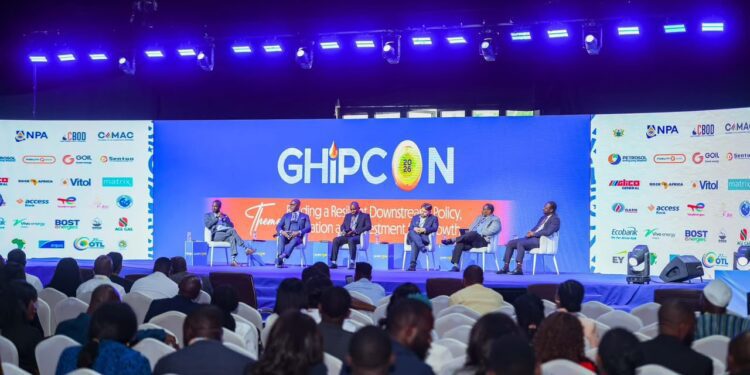
The 2026 edition of the Ghana International Petroleum Conference and Exhibition (GHiPCON) concluded with a strong consensus among policymakers, regulators and industry leaders that the future of Ghana’s downstream petroleum industry will depend on sustained investment in innovation, local participation, digital transformation and a pragmatic energy transition.
After two days of high-level policy discussions, technical sessions and industry engagement, the conference closed with renewed calls for stronger regional cooperation, greater investment in downstream infrastructure and reforms that position Ghana as the preferred petroleum and energy hub in West Africa.
Organised by the National Petroleum Authority (NPA), this year’s conference brought together government officials, regulators, petroleum marketers, investors, technology providers and development partners to examine the evolving future of the downstream sector amid global energy transition pressures, changing consumer expectations and increasing regional competition.
The second day of the conference focused heavily on practical solutions that could strengthen the resilience of Ghana’s petroleum value chain while preparing the industry for emerging challenges ranging from digital disruption to cleaner energy integration.
Conference shifts attention from challenges to solutions
Unlike traditional petroleum conferences that focus largely on production and supply, GHiPCON 2026 devoted significant attention to the structural reforms needed to modernise Ghana’s downstream industry.
Panel discussions explored critical issues including local content and industrial participation, digital innovation and artificial intelligence, smart logistics, consumer protection, market stability, gas as a transition fuel, and strategies for blending cleaner energy solutions into existing downstream operations.
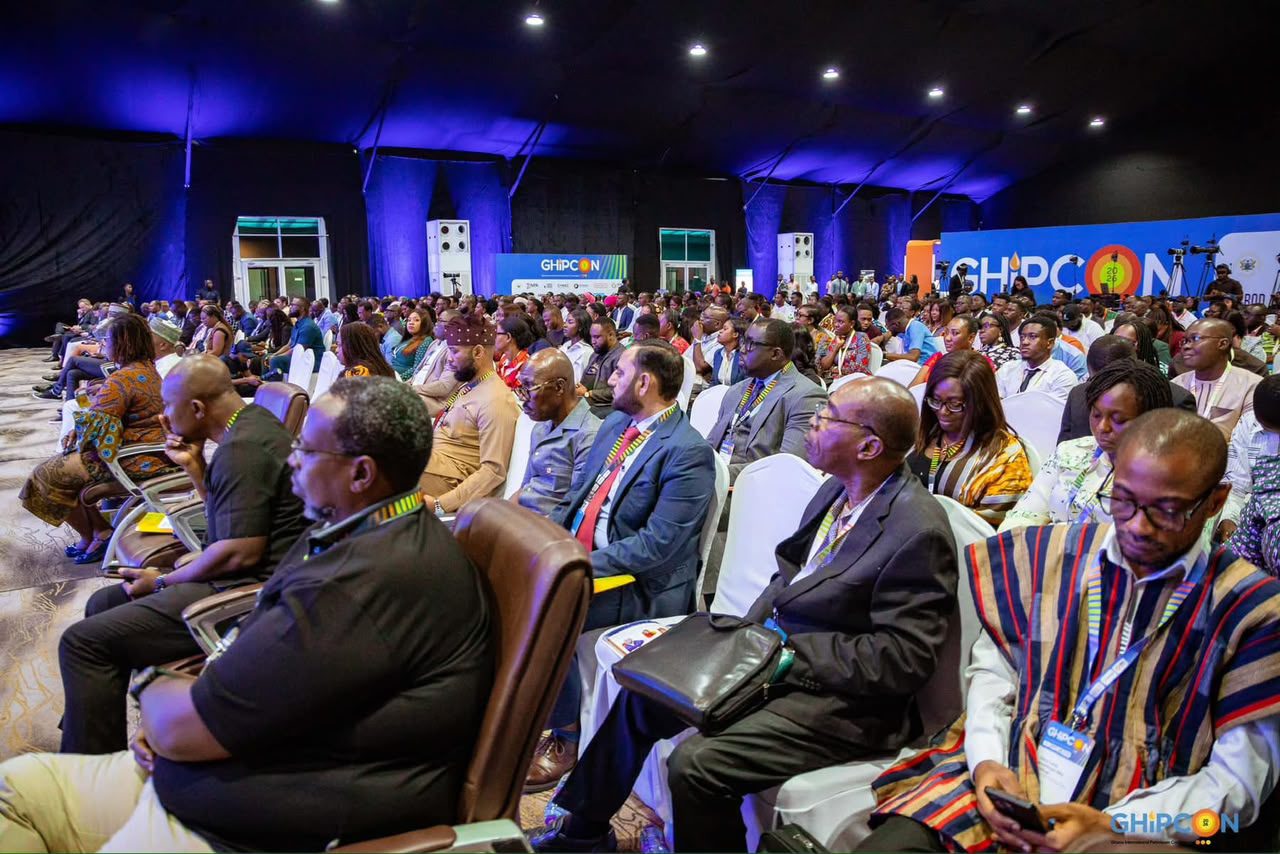
Together, these discussions reflected a growing recognition that the downstream petroleum industry is undergoing fundamental transformation.
As governments seek to decarbonise their economies without compromising energy security, downstream operators are increasingly expected to embrace cleaner technologies, smarter operations and more efficient supply chains while continuing to deliver affordable and reliable petroleum products.
For Ghana, whose petroleum sector remains central to transportation, industry and commerce, the challenge is balancing energy transition ambitions with continued investment in conventional petroleum infrastructure.
Participants repeatedly returned to one central message: the downstream sector must evolve rather than simply react to global energy trends.
Local content remains central to industry growth
One of the strongest themes emerging from the conference was the importance of expanding Ghanaian participation across the downstream petroleum value chain.
Industry stakeholders argued that increasing local content goes beyond ownership requirements.
It also involves developing technical expertise, supporting indigenous service providers, strengthening local manufacturing and ensuring Ghanaian businesses benefit from investments taking place throughout the sector.
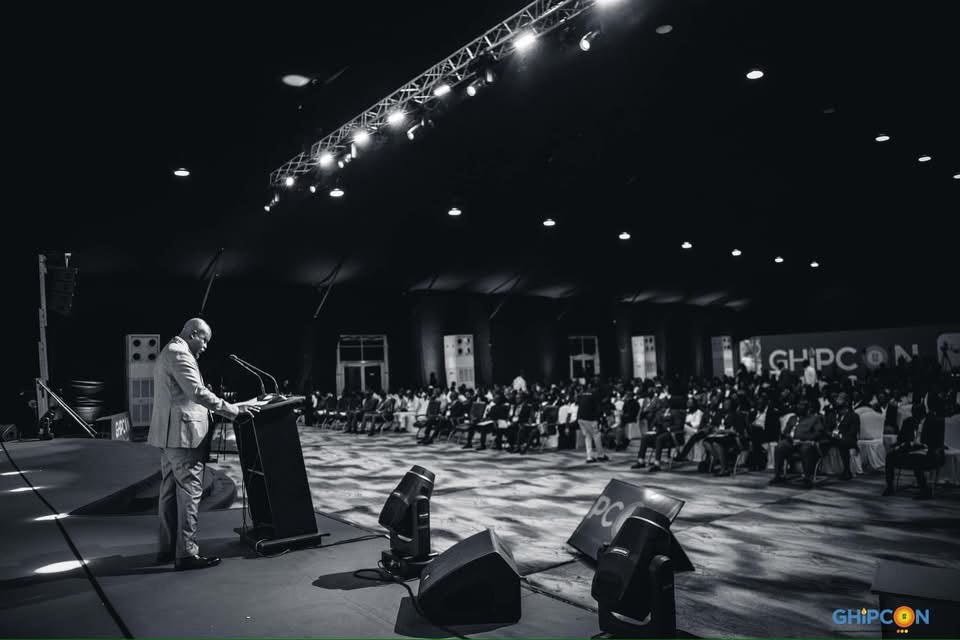
The discussions recognised that stronger local participation enhances economic resilience by creating jobs, retaining value within the domestic economy and reducing dependence on imported technical services.
That objective aligns with broader government efforts to deepen value addition across Ghana’s petroleum industry while creating opportunities for local entrepreneurs and skilled professionals.
Technology takes centre stage
Digital transformation featured prominently throughout the conference as industry leaders examined how emerging technologies could reshape downstream petroleum operations.
Sessions on artificial intelligence and smart logistics explored opportunities to improve operational efficiency, strengthen supply chain management, enhance fuel monitoring systems and support more data-driven regulatory oversight.

Participants noted that technological innovation is becoming increasingly important as regulators seek more efficient methods of market supervision while petroleum companies pursue operational excellence and cost optimisation.
The adoption of digital technologies is also expected to strengthen transparency, improve customer experience and support faster decision-making across the downstream sector.
For Ghana, embracing digital innovation could help position its petroleum market among the most competitive and technologically advanced within the West African sub-region.
Energy transition dominates policy conversations
Another major focus of the conference centred on how Ghana’s downstream industry should navigate the global transition towards cleaner energy.
Rather than framing renewable energy and petroleum as competing priorities, discussions examined how cleaner fuels could complement existing petroleum infrastructure during the transition period.
Particular attention was given to natural gas as a transition fuel, with participants discussing its potential role in supporting cleaner industrial development while maintaining energy security.

Stakeholders also explored strategies for integrating cleaner energy solutions into downstream operations without disrupting existing fuel supply systems.
The conversations reflected Ghana’s increasingly balanced approach to energy policy, one that seeks to expand renewable energy while continuing to maximise the value of existing petroleum resources.
This pragmatic approach has featured prominently in recent government policy discussions, particularly around domestic refining, gas utilisation and investments in energy infrastructure.
Consumer protection and market stability remain priorities
Beyond investment and technology, conference participants also stressed the importance of protecting consumers while maintaining confidence in Ghana’s petroleum market.
Discussions examined regulatory approaches capable of ensuring product quality, fair competition and efficient market operations in an increasingly dynamic energy landscape.
Participants acknowledged that consumer confidence remains essential to sustaining long-term industry growth.
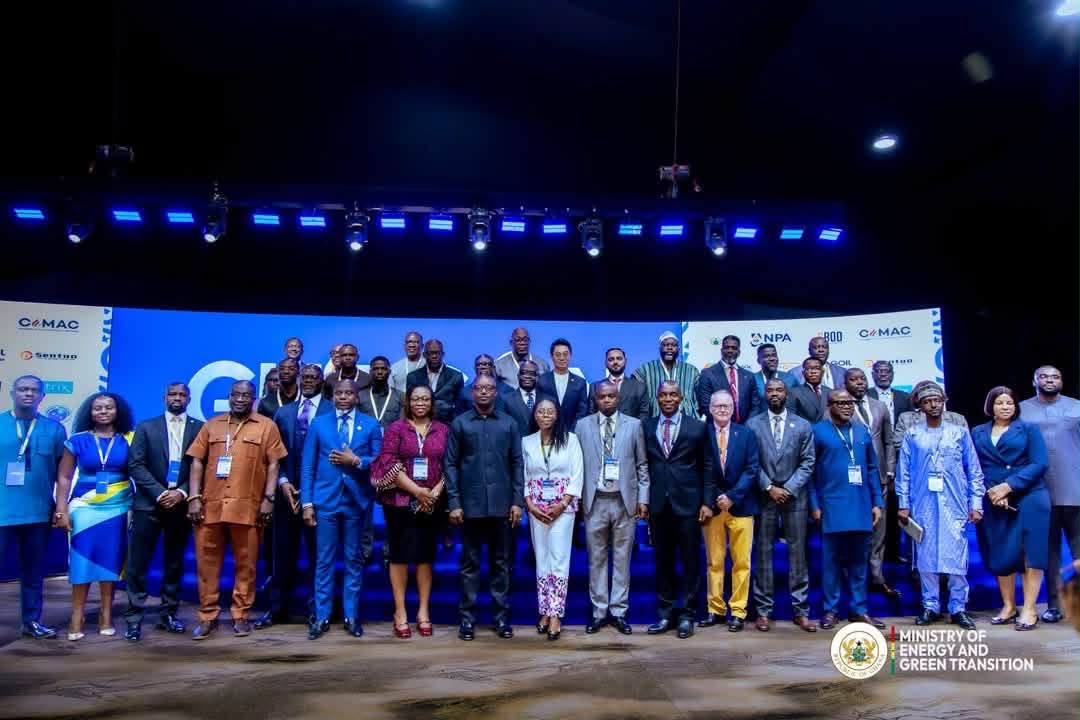
Strong regulatory institutions, transparent pricing mechanisms and effective market surveillance were therefore identified as critical pillars supporting downstream sector development.
The National Petroleum Authority’s role in maintaining these standards received considerable attention throughout the conference, with stakeholders recognising the importance of regulatory certainty in attracting both domestic and international investment.
Industry excellence recognised at Downstream Awards
The conference concluded with the second edition of the Ghana Downstream Awards and Gala Night, where industry players were recognised for outstanding contributions to Ghana’s downstream petroleum sector.
Addressing participants, NPA Chief Executive Mr. Godwin Kudzo Tameklo congratulated both nominees and winners, describing their achievements as evidence of the industry’s continued progress.
Every nominee and award recipient represents the progress and professionalism driving our industry forward.
Godwin Kudzo Tameklo, Chief Executive, National Petroleum Authority
He said recognising excellence was essential to encouraging higher standards across the industry while motivating businesses to continue investing in innovation and operational improvement.
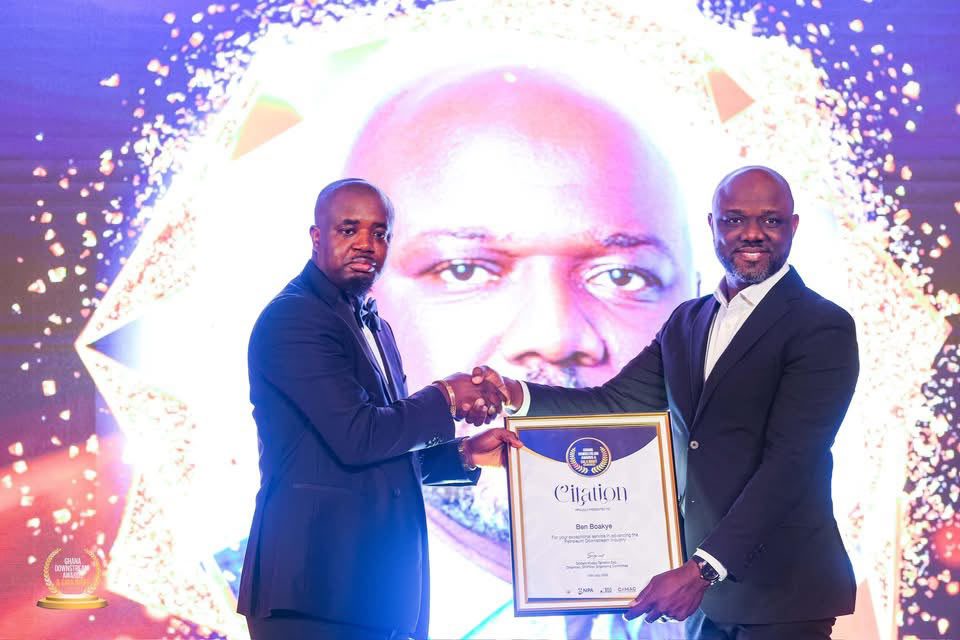
Mr. Tameklo further stressed that the industry’s future would depend on sustained collaboration among regulators, investors and operators.
The future of Ghana’s downstream petroleum industry will be built on innovation, collaboration and unwavering commitment to excellence.
Godwin Kudzo Tameklo
According to the NPA Chief Executive, maintaining a strong downstream petroleum industry remains fundamental to Ghana’s broader economic development agenda.
A strong downstream petroleum industry is fundamental to Ghana’s economic growth and national development.
Godwin Kudzo Tameklo
A broader vision for Ghana’s energy future
The close of GHiPCON 2026 comes against the backdrop of renewed government efforts to reposition Ghana’s downstream petroleum industry through increased domestic refining, stronger local participation, expanded infrastructure and greater regional integration.
Throughout the conference, speakers consistently argued that Ghana possesses many of the ingredients required to become West Africa’s preferred downstream petroleum hub, political stability, an established regulatory framework, growing infrastructure and strategic geographic positioning.
However, participants also acknowledged that maintaining this competitive advantage will require continuous reforms, investment in technology, stronger public-private collaboration and policies capable of responding to a rapidly evolving global energy landscape.
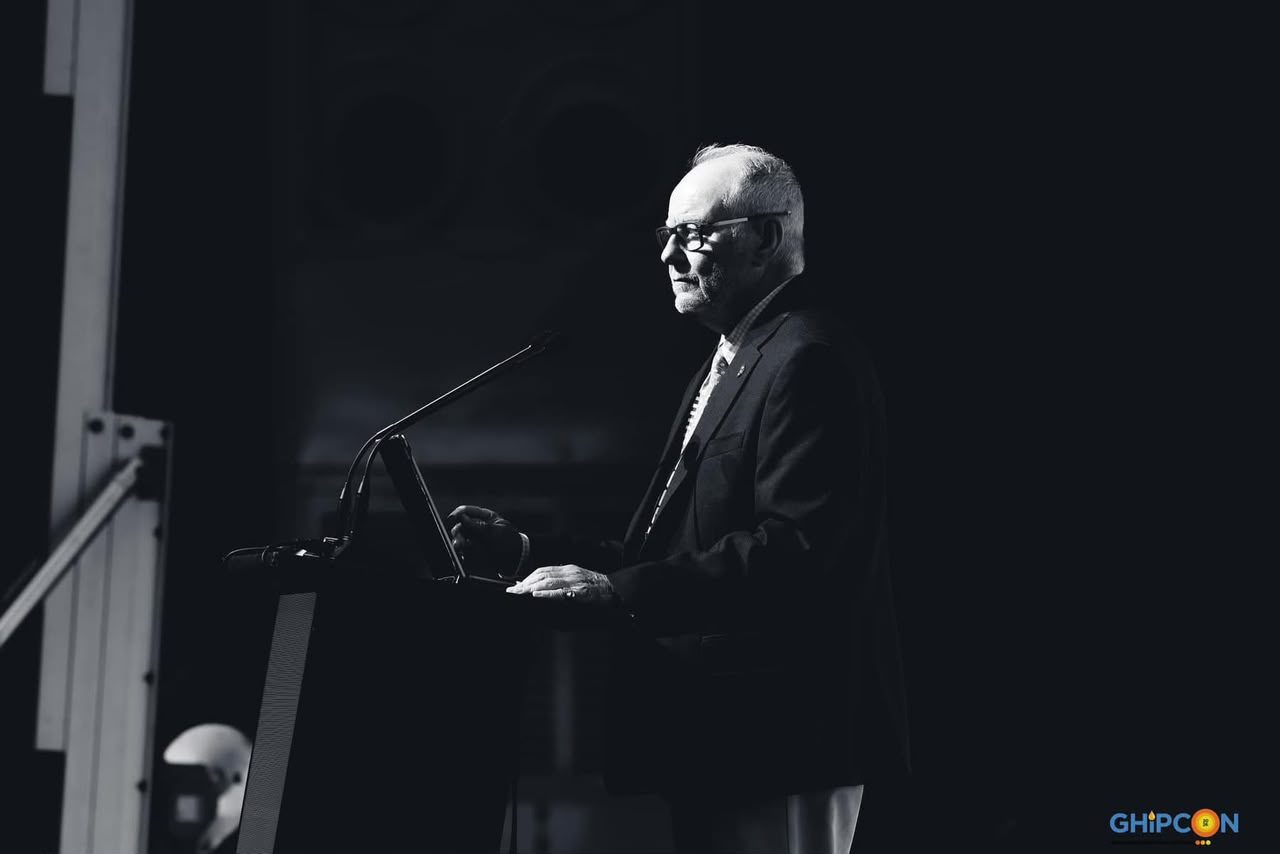
Rather than viewing energy transition as a threat, GHiPCON 2026 presented it as an opportunity for Ghana to modernise its downstream petroleum industry while preserving energy security and expanding economic value.
As delegates departed Accra, one message stood above the rest: Ghana’s downstream petroleum sector is entering a new phase, one defined not only by fuel distribution, but by innovation, digital transformation, cleaner energy integration and regional leadership.
For policymakers, regulators and industry players alike, the challenge now is translating the conference’s recommendations into measurable action capable of strengthening Ghana’s position within Africa’s evolving energy economy.
READ ALSO: Government Accepts GH¢9.98 Billion in Oversubscribed T-Bill Sale