The African Region President of Adventist World Radio, Pastor Immanuel Ogwal has explained that the Seventh Day Adventist Church is supporting the Agenda 111 hospital initiative because healthcare is a central part of its mission to society. He noted that the Church considers physical wellbeing an essential foundation for effective spiritual and social development.
Pastor Ogwal explained that the Church’s position is rooted in biblical teachings which place importance on both spiritual and physical wellbeing. Referencing 3 John 1:2, he indicated that the scripture encourages believers to pursue good health alongside spiritual growth.
The Adventist Radio President further outlined that the Church has extensive experience in healthcare delivery across several parts of the world. He noted that the institution operates healthcare facilities and training centres that have contributed to the development of medical professionals.
“Health comes in first and foremost, and our interest is not only in the health of the members of the Seventh Day Adventist Church, but to everyone that the Lord has sent us to preach to.”
Immanuel Ogwal

According to him, healthcare is one of the major pillars of the Seventh Day Adventist mission alongside evangelism and education. The approach allows the Church to address people’s physical needs while also supporting their spiritual development.
Pastor Ogwal indicated that the Church’s involvement in Agenda 111 therefore goes beyond the construction or establishment of health facilities. Its contribution is expected to draw from its experience in healthcare delivery and its network of professionals who serve in medical institutions.
The initiative provides an avenue for faith based organisations and government to combine their respective strengths in improving access to healthcare. And such cooperation can support communities where quality health services remain essential to social wellbeing.
Referencing the Church’s global activities, the African Region President pointed to its numerous medical institutions and missionary health programmes as evidence of its long standing involvement in healthcare. He also linked the work to the Church’s wider commitment to serving communities regardless of religious affiliation.
This position places healthcare within a wider public service responsibility for the Church. Consequently, the proposed partnership has been presented as an opportunity to contribute institutional knowledge and professional expertise to a national development effort.
Church Plans Health Expertise And Media Education For Communities
The second dimension of the initiative centres on the practical resources the Church can bring into healthcare delivery. Pastor Ogwal revealed that the organisation has trained professionals who can support health institutions through medical and technical expertise.
He explained that Adventist healthcare institutions around the world rely on professionals trained through established educational systems. Such experience gives the Church a pool of human resources capable of contributing to health service delivery.
Beyond staffing, prevention is another significant area of interest. The Church promotes healthy eating, physical activity and other practices intended to reduce the risk of non communicable diseases.
These interventions are also incorporated into its media programming. Through radio and television platforms, health education is used to reach audiences with information on disease prevention, nutrition and exercise.
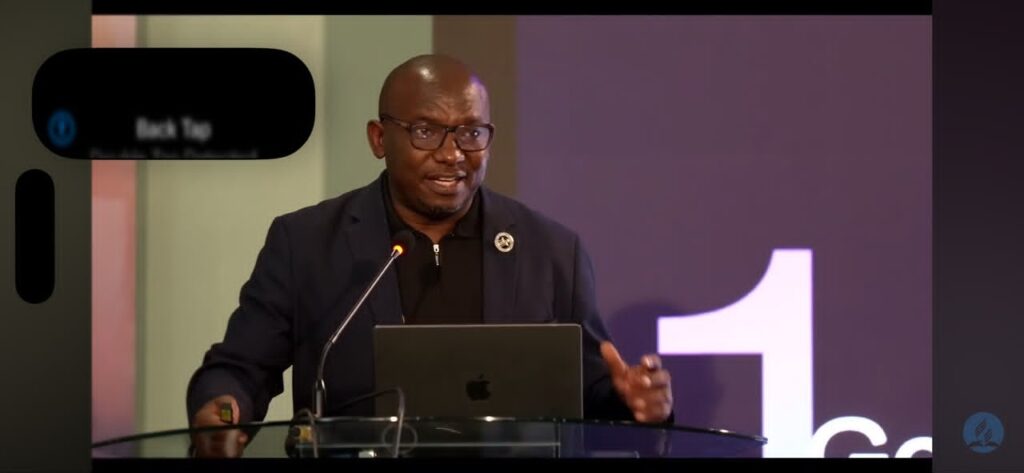
The communication strategy moves across several platforms operated by the Adventist media network. Adventist World Radio has radio stations in Kumasi and at Valley View University while Hope Channel Ghana also provides television based programming.
Pastor Ogwal explained that these platforms create opportunities to reach people before they require clinical intervention. Education, in this regard, becomes an important tool for encouraging individuals to adopt healthier practices in their daily lives.
Furthermore, the Church’s media activities complement its healthcare institutions by connecting prevention with treatment. Where preventive measures fail and illness occurs, the media is another avenue through which people can receive professional care.
The approach also gives the Agenda 111 partnership a public education component. Information delivered through trusted media platforms can help communities understand health risks and make informed choices about nutrition, exercise and disease prevention.
The Adventist Radio President indicated that the Church is also preparing to expand its broadcasting presence. Plans for additional radio stations, alongside existing platforms, could increase the reach of health education programmes across different communities.
From this perspective, broadcasting serves as more than an avenue for religious communication. It also functions as a public education channel through which practical health information can reach households and communities.
The proposed partnership therefore combines several areas of expertise within the Adventist system. Healthcare professionals can support service delivery while media platforms can promote prevention and healthier lifestyles.
READ ALSO: Coalition of Unpaid Nurses And Midwives Nears Dissolution As 99% Get Paid