
The Tree Crops Development Authority (TCDA) has initiated a major institutional restructuring of the northern agricultural economy by officially unveiling the National Shea Commodity Platform (NSCP), during a high-level stakeholder gathering in Tamale.
The capital of the Northern Region, this state-backed framework is a major turning point in the country’s management of its tree crop resources, and is designed to transition the historically decentralized shea sector into a unified, highly competitive commercial industry.
“During his keynote address to assembled state planners, international development diplomats, and private trade executives, the Chief Executive Officer of the Tree Crops Development Authority, Dr. Andy Osei Okrah, emphasized that the platform represents a necessary evolutionary step for the sector.
“He described the official launch of the National Shea Commodity Platform as a major milestone in efforts to transform Ghana’s shea sector through stronger coordination, policy advocacy, value addition, investment promotion, and sustainable industry development”
Tree Crops Development Authority
Dr. Okrah noted that formalizing the value chain is critical to converting raw agricultural potential into sustainable economic sovereignty through the establishment of standard regulatory boundaries and facilitating direct linkages between rural collectors and global buyers.
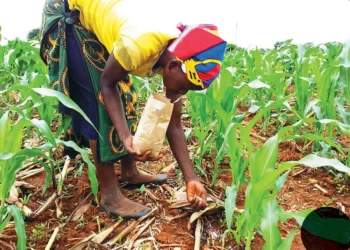
For generations, the collection and processing of wild shea nuts across Ghana’s northern savanna belt have operated within an informal economy. Rural harvesters, predominantly women, have borne the physical burden of gathering nuts from fragile ecosystems while remaining isolated from direct market access and fair pricing structures.
This fragmentation has left local producers vulnerable to volatile middleman networks and minimal localized wealth retention. The inauguration of the National Shea Commodity Platform is specifically to replace this chaotic market structure with an inclusive, formal framework that protects primary producers while scaling up national processing capacity.
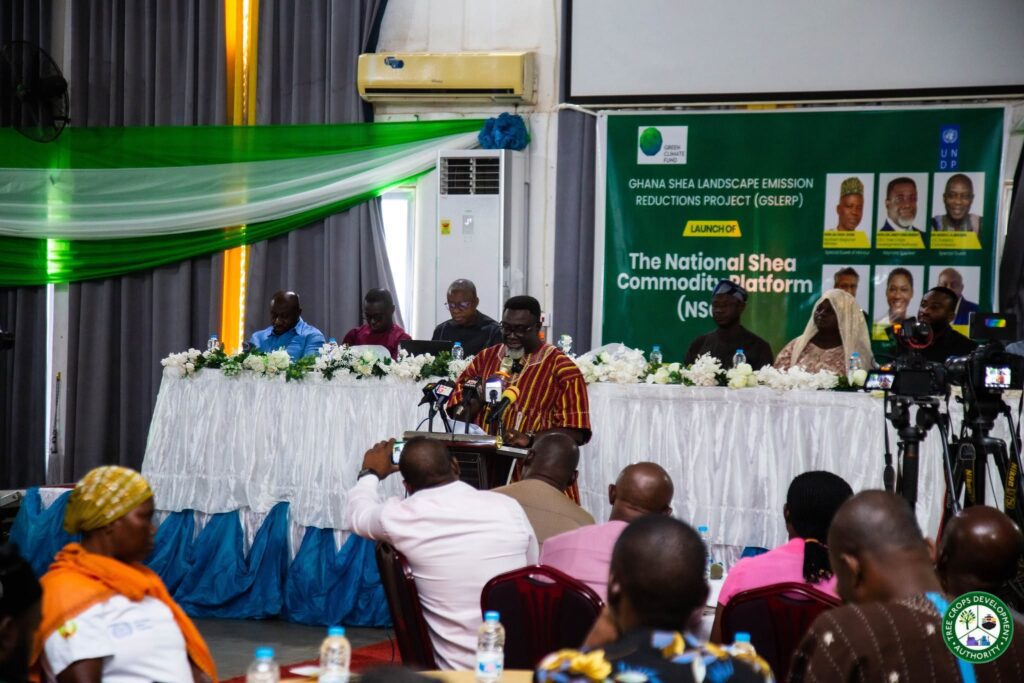
Dr. Okrah noted that the Platform aligns with TCDA’s strategic vision of formalizing and modernizing the shea value chain while “creating opportunities for women, youth, processors, exporters, and other industry actors.”
According to him, the NSCP will serve as a unified and inclusive framework for stakeholder engagement, collaboration, research, innovation, market access, and climate resilience, positioning Ghana to unlock the full potential of its shea industry.
The management architecture of the NSCP will serve as a permanent advisory and coordinating center where research institutions, state agricultural extensions, and global buyers can harmonize their operations, ensuring that Ghana can increasingly retain industrial value within its borders – creating domestic manufacturing jobs and expanding non-traditional export revenues.
Protecting Ecosystems
The sustainable expansion of the shea sector is directly connected to the ecological preservation of the northern savanna parklands, as wild shea trees face severe environmental pressures, including illegal logging, agricultural land clearance, and unsustainable charcoal production.
To address these threats, the NSCP has integrated environmental conservation directly into its commercial mandate by collaborating closely with the Forestry Commission to introduce specialized training models for local communities that promote sustainable harvesting practices and establish formal community-led protection zones for indigenous tree crops.
Highlighting the environmental and regulatory parameters of the initiative, Dr. Joseph Appia-Agyapong, Director of the Climate Change Unit at the Forestry Commission, pointed out that protecting the wild tree populations is an economic necessity.
The platform aims to deploy climate-resilient agricultural strategies that ensure the long-term survival of the savanna parklands, thereby protecting the raw material base that feeds the entire industry. This ecological preservation is coupled with targeted economic empowerment for the most vulnerable segments of the rural workforce.
The platform relies heavily on the corporate and communal mobilization of local processors.

Expressing the shared determination of the local manufacturing sector, Hajia Rabiatu Abubakari, President of the Ghana Shea Employers Association, indicated that the formalized platform will provide a critical baseline for stabilizing domestic labor standards and securing equitable wage structures for the millions of women who form the backbone of the primary collection workforce.
The TCDA noted that by linking local processing factories with structured employer networks, the platform creates an environment where small-scale enterprises can upgrade their operational technologies, access formal credit facilities, and secure consistent raw material volumes throughout the off-season.
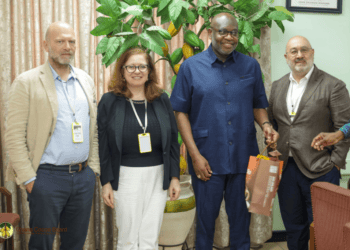
According to the Authority, the successful execution of the National Shea Commodity Platform relies on a unique convergence of domestic political authorities and international development institutions. The launch event attracted high-level representations from global bodies, reflecting the international community’s deep interest in sustainable supply chains and ethical labor sourcing.
The presence of Mr. Ayeribi Frimpong from UNDP Ghana and Mr. Onoma Asiedu from the International Labour Organization (ILO) Ghana underscored a collective commitment to embedding decent work principles and green economic strategies within the modernized value chain.
These international partnerships are designed to assist local enterprises in meeting the rigorous quality, traceability, and environmental certification standards required by premium North American and European cosmetics markets.
Concurrently, global industry alignment is being driven by the Global Shea Alliance, led by Managing Director Mr. Aaron Adu, who is working alongside the TCDA to improve international market access and elevate Ghana’s branding as a premier producer of high-grade, ethically sourced shea derivatives.
To ensure that these high-level policies transition into functional local realities, the platform is anchored by municipal administrative organs on the ground.

Hon. Alhassan Fuseini, the Municipal Chief Executive for Savelugu, assured stakeholders that local assemblies are fully mobilized to provide the necessary infrastructural backstops, including rural roads, secure storage facilities, and communal aggregation centers.
This decentralized administrative support ensures that the operational benefits of the NSCP flow past urban trading hubs directly into remote rural communities.
Through this complete alignment of state regulatory power, private enterprise expertise, and international development support, the National Shea Commodity Platform establishes a modern master blueprint for rural economic transformation and sustainable agricultural industrialization throughout Ghana.
READ ALSO: Accept Wontumi Plea Bargain with 100% Interest, Barker-Vormawor Tells AG