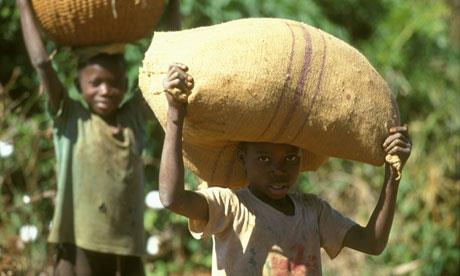
The Commission on Human Rights and Administrative Justice (CHRAJ) has called for urgent and coordinated national action to tackle child labour in Ghana, warning that more than 1.1 million Ghanaian children remain engaged in economic activities that threaten their rights, education, and development.
In a statement issued to mark the 2026 World Day Against Child Labour, observed annually on June 12, the Commission urged government institutions, civil society organisations, communities, and families to intensify efforts to eliminate child labour and address the factors that continue to expose children to exploitation.
This year’s global observance was held under the theme, “Red Card to Child Labour: Fair Play for Children, Decent Work for Adults.” According to CHRAJ, the protection and fulfilment of children’s rights remain among the strongest indicators of a society’s commitment to justice, equality, and human dignity.
“The fulfilment of children’s rights is among the most fundamental measures of a society’s commitment to human dignity and social justice,” the Commission stated.
Child Labour Remains a Pressing Challenge
Despite progress in child protection efforts, CHRAJ noted that child labour continues to undermine the welfare and future prospects of many children across Ghana.
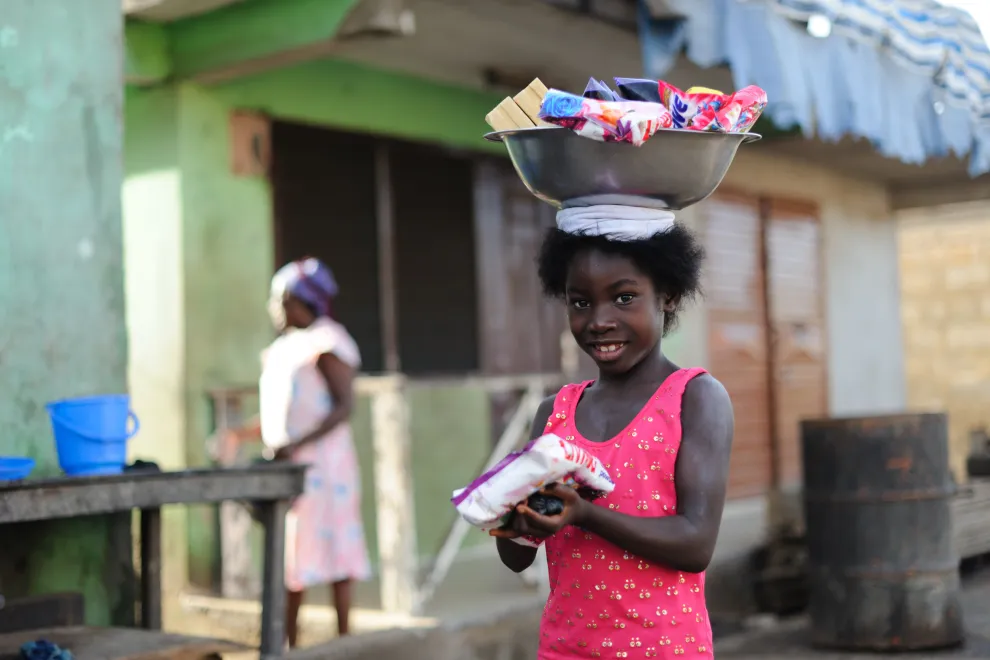
The Commission described child labour as one of the most serious child rights issues confronting societies today, stressing that the practice deprives children of their right to education, protection, development, and a safe childhood.
“It remains one of the most pressing child rights challenges of our time,” CHRAJ stated. According to the Commission, child labour extends beyond being merely a social or economic concern. It constitutes a violation of the rights guaranteed to every child under both domestic and international legal frameworks.
CHRAJ pointed to the Children’s Act, 1998 (Act 560), the 1992 Constitution of Ghana, the United Nations Convention on the Rights of the Child, and the African Charter on the Rights and Welfare of the Child as instruments that collectively affirm children’s rights to protection, education, development, and dignity.
Statistics Reveal the Scale of the Problem
The Commission cited data from the Ghana Statistical Service indicating that over 1.1 million children between the ages of five and seventeen were engaged in economic activity in 2023.
Of this number, more than 458,000 children were not attending school, a development CHRAJ described as deeply troubling. The Commission stressed that the statistics represent children whose opportunities for personal growth and future advancement are being compromised.
Without access to education, many of these children risk remaining trapped in cycles of poverty and vulnerability that child labour often perpetuates.
CHRAJ further noted that the challenge is not unique to Ghana. Globally, an estimated 138 million children are engaged in child labour, with nearly 54 million involved in hazardous work that threatens their health, safety, and development.
The Commission said these figures underscore the need for sustained international and national action.
Addressing the Root Causes
While acknowledging the complexity of the issue, CHRAJ emphasised that efforts to eliminate child labour must focus on addressing its underlying causes.
The Commission identified poverty, limited access to quality education, and inadequate social protection systems as key factors that contribute to the exploitation of children.
According to CHRAJ, ensuring decent work opportunities for adults is also critical to reducing the economic pressures that force families to depend on child labour for survival.
The Commission argued that when parents and caregivers have access to stable employment and adequate incomes, children are more likely to remain in school and enjoy the protections to which they are entitled.

Strengthening Legal Enforcement and Support Systems
CHRAJ called for stronger enforcement of existing child protection laws and greater investment in interventions that support vulnerable households.
The Commission urged authorities to expand social protection programmes and improve access to quality education to ensure that children remain in safe learning environments.
It also encouraged members of the public to remain vigilant and report suspected cases of child exploitation to the appropriate institutions. According to CHRAJ, protecting children requires the collective responsibility of all sectors of society.
“Child labour constitutes a violation of children’s rights. It undermines the rights guaranteed under the Children’s Act, 1998 (Act 560), the 1992 Constitution of Ghana, the United Nations Convention on the Rights of the Child, the African Charter on the Rights and Welfare of the Child, among others”.
Commission on Human Rights and Administrative Justice (CHRAJ)
Renewing the National Resolve
As Ghana joined the international community in observing the World Day Against Child Labour, CHRAJ reaffirmed its commitment to promoting and protecting the rights of every child.

The Commission maintained that ending child labour is essential to building a more just and equitable society where every child has the opportunity to thrive.
The observance serves as a reminder that while progress has been made, significant work remains to ensure that children are protected from exploitation and provided with the support needed to realise their full potential.
For CHRAJ, the message is clear. The fight against child labour demands renewed commitment, stronger partnerships, and practical interventions that place the welfare and future of children at the centre of national development efforts.
READ ALSO: Government Disburses GH¢76.4 Million to Power Black Stars’ World Cup Participation