Climate change has emerged as one of the greatest threats to children worldwide, with a new UNICEF report warning that almost every child on Earth is now exposed to at least one climate-related hazard and more than one billion face multiple overlapping threats that are increasingly endangering their health, education and future prospects.
The Children’s Climate Risk Report 2026 presents a grim picture of a generation growing up on the front lines of the climate disaster. Children around the world are experiencing unprecedented environmental threats, ranging from devastating droughts and excessive heat to floods, tropical storms, air pollution, and climate-sensitive diseases.
According to the report, approximately 1.1 billion children are now exposed to at least three overlapping climate hazards, creating a “dangerous cascade of multiple, overlapping hazards” that threatens to overwhelm families, communities and public services.
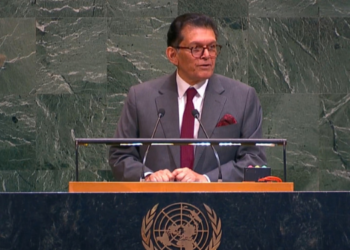
UNICEF Executive Director Catherine Russell noted that, “the lives of children continue to be upended by the impact of heatwaves, wildfires, droughts and floods.”
“Half of the world’s children are now living with at least three overlapping climate threats shaping their daily lives.”
Catherine Russell
Moreover, the report reveals that nearly one in seven children globally around 337 million live in areas exposed to riverine flooding, while another 33 million face risks from coastal flooding.
Tropical storms also pose a threat to approximately 662 million children, bringing destructive winds, heavy rainfall and widespread disruption to homes, schools and healthcare systems.
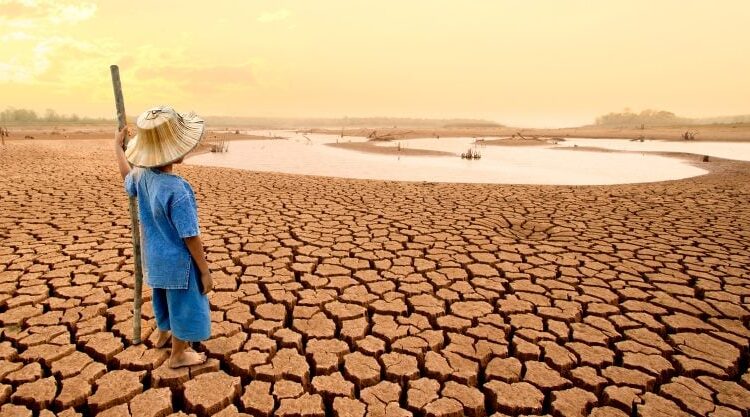
However, drought remains the most widespread climate hazard affecting children. More than 1.8 billion children over three-quarters of the world’s child population are exposed to agricultural or meteorological droughts that threaten food production, nutrition, water supplies and household livelihoods.
At the same time, rising temperatures continue to intensify risks across every region. UNICEF estimates that nearly two-thirds of all children worldwide, or around 1.5 billion, are exposed to heatwaves that are becoming more frequent, longer-lasting and increasingly severe. Within that figure, approximately 1.2 billion children are living under conditions of extreme heat.
The implications go much beyond physical discomfort. Experts warn that extended exposure to excessive temperatures can harm children’s health, affect learning results, disrupt daily routines, and raise illness susceptibility, especially in areas where access to cooling systems, clean water, and healthcare facilities is restricted.
The situation is getting worse due to additional climate-related risks. An additional 123 million children are exposed to sand and dust storms, and an estimated 206 million children reside in areas vulnerable to frequent and catastrophic wildfires.
These illnesses have the potential to worsen already vulnerable communities, destroy infrastructure, and harm respiratory health.
Beyond the direct impacts of weather extremes, climate change is also amplifying health threats.
UNICEF found that approximately one billion children live in areas where malaria remains prevalent, with changing rainfall patterns and rising temperatures creating more favourable conditions for disease transmission.
The burden is especially significant across Africa, where many countries continue to struggle with malaria-related illness and mortality.
Furthermore, air pollution represents an even more pervasive danger. The report estimates that 2.3 billion children nearly every child worldwide live in areas where air pollutants are detectable, exposing young people to respiratory illnesses and long-term health complications.
Researchers emphasised that the growing threat is not simply about individual hazards but the cumulative effect of multiple risks occurring simultaneously.
According to UNICEF Statistics Manager, Rohini Sampoornam Swaminathan, “it’s not just the exposure to the single hazards like floods or droughts or heat waves and extreme heat that children face, but it is the exposure to multiple hazards.”
The report also highlights the impact climate disasters are already having on children’s education. In 2024 alone, climate-related hazards disrupted schooling for 242 million children across 85 countries, affecting access to learning and threatening long-term educational outcomes.
As governments grapple with increasing climate pressures, UNICEF warns that failure to act could leave millions more children vulnerable to worsening environmental shocks in the years ahead.
Africa and Asia Among Regions Facing the Greatest Climate Burden
The report also identifies several countries and regions where children face particularly severe and overlapping climate threats, underscoring the unequal impact of climate change across the world.
Somalia, Madagascar, Myanmar, Cambodia and Pakistan were identified among the most vulnerable countries globally, with children in these nations often exposed to multiple hazards simultaneously while also lacking access to essential services needed to withstand climate shocks.
Across Africa, the Sahel region has emerged as one of the most climate-vulnerable areas for children. More than four million children there face a dangerous combination of heatwaves, extreme heat and sand and dust storms, creating conditions that threaten health, food security and educational opportunities.
Countries heavily dependent on agriculture are also experiencing significant challenges. Bangladesh, Indonesia, Nigeria, Pakistan and Tanzania were identified as having some of the largest populations of children exposed to drought, increasing the risk of food shortages and economic hardship for millions of families.
Meanwhile, landlocked countries such as Botswana and Burkina Faso face escalating threats from drought, desertification, water scarcity and flash flooding, further straining resources and public services.
UNICEF’s analysis found that more than 296 million children are exposed simultaneously to drought, extreme heat and heatwaves, making this the most common combination of overlapping climate hazards worldwide.
Another 115 million children face the combined risks of drought, extreme heat and tropical storms.
The findings also challenge the perception that climate vulnerability is limited to lower-income countries. In Italy, for example, more than six million children are exposed to prolonged heatwaves and drought conditions.
However, UNICEF noted that investments in climate adaptation and resilient infrastructure have helped reduce some of the risks faced by children in wealthier nations.
To address the growing crisis, UNICEF is calling for urgent and coordinated action from governments, businesses and international partners.
The organization is also advocating for greater involvement of children and young people in climate decision-making processes, arguing that those most affected by climate change should have a voice in shaping responses to the crisis.
READ ALSO: Cape Verde Hold Spain to a Goalless Draw on World Cup Debut