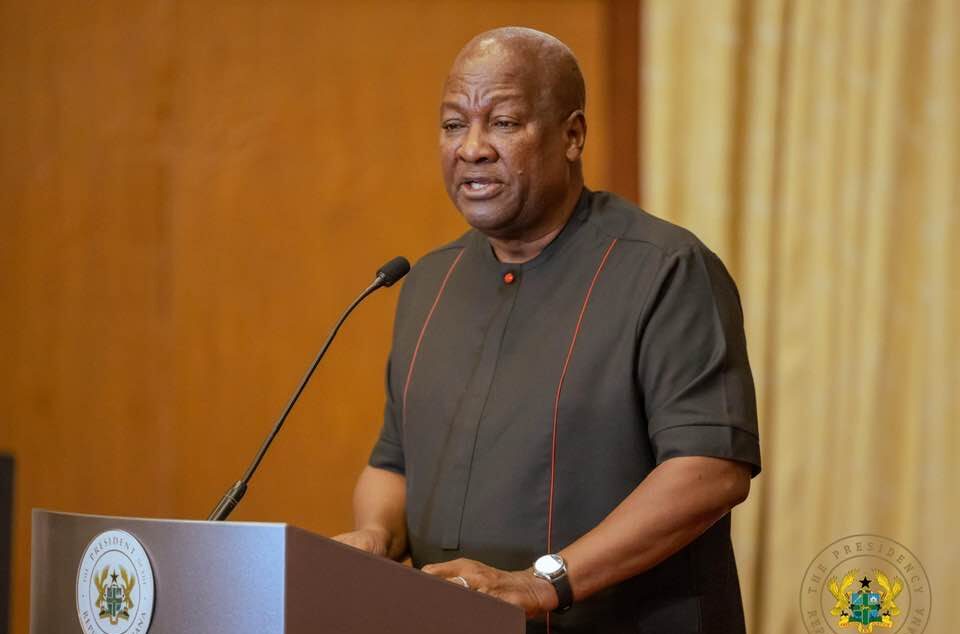
President John Dramani Mahama has assured the Bono Region that it will receive its fair share of the ongoing rollout of the Farmer Service Centres under the government’s agricultural transformation agenda, describing the region as one of Ghana’s key food-producing areas.
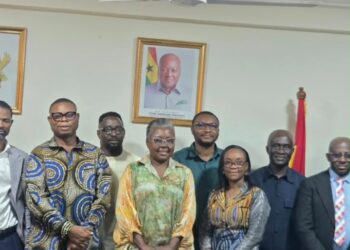
The President made the pledge during a courtesy visit by the Bono Regional House of Chiefs at the Jubilee House, where discussions focused on development priorities and government interventions aimed at boosting economic growth and agricultural productivity.
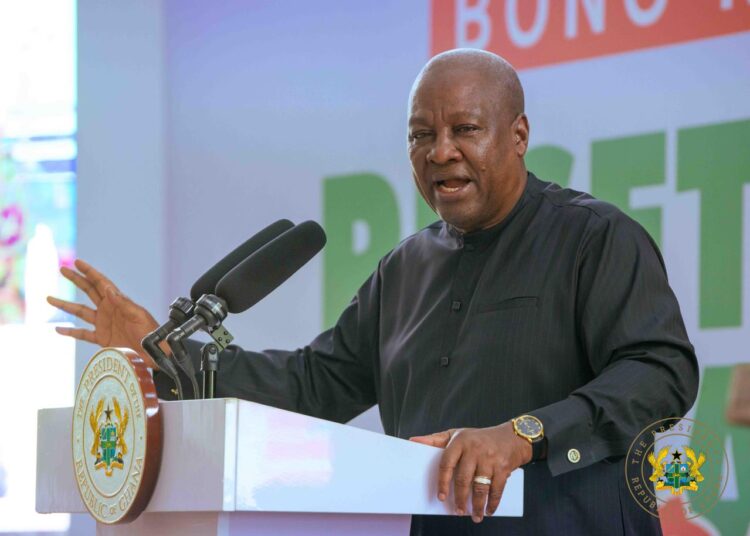
Addressing the chiefs, President Mahama acknowledged the critical role the Bono Region plays in Ghana’s food production and reaffirmed government’s commitment to supporting farmers through improved access to mechanisation and modern agricultural services.
“The other area is support for farmers. Bono is one of the breadbaskets of Ghana, and so we are preparing to start the farmer service centres,” the President stated. According to him, the initiative forms part of broader efforts to modernise agriculture, increase productivity and strengthen food security across the country.
Farm Equipment Expected from Belarus
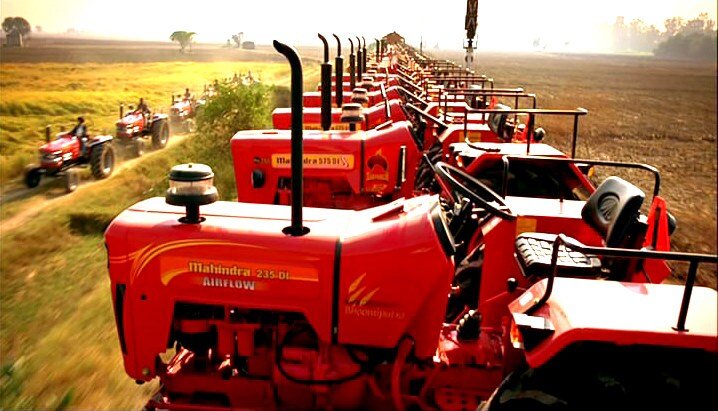
President Mahama revealed that government has already taken steps to secure modern agricultural equipment for the programme through international cooperation.
He disclosed that during a recent visit to Belarus, he personally inspected some of the agricultural machinery that is expected to support the implementation of the Farmer Service Centres initiative.
The President said preparations are underway for the shipment of the equipment to Ghana, with government anticipating its arrival before the end of the year.
The planned equipment package is expected to include machinery designed to improve efficiency across the agricultural value chain and provide farmers with access to services that many currently struggle to obtain.
Infrastructure Works Begin Ahead of Equipment Arrival
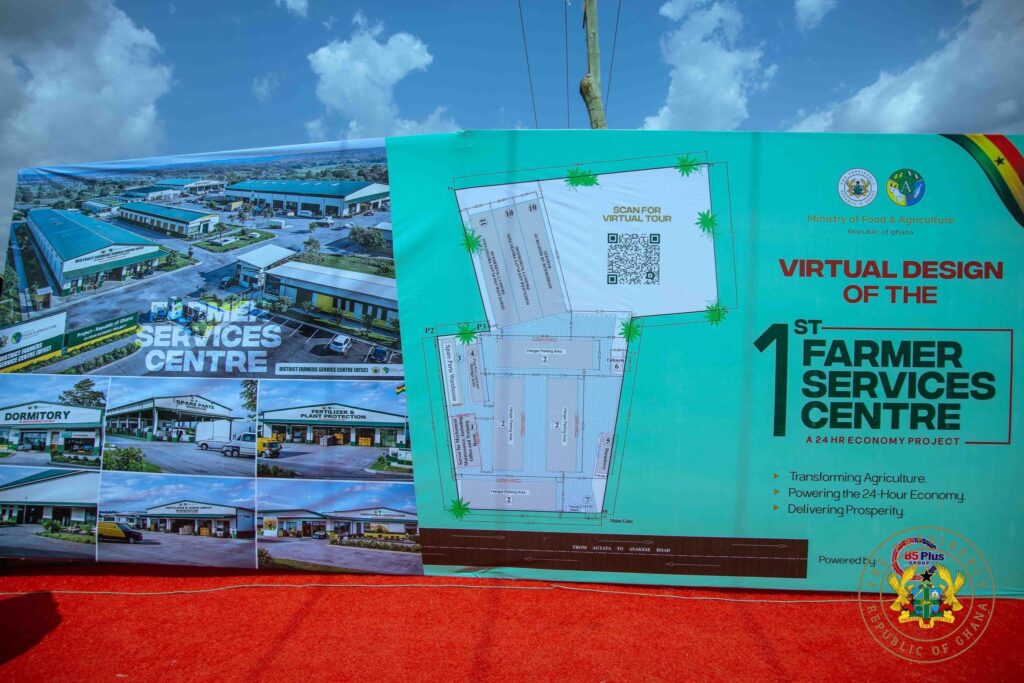
President Mahama explained that while the equipment is being prepared for shipment, government has already started laying the groundwork for the establishment of the service centres.
According to him, contracts are being awarded for the construction of warehouses and tractor stations that will house and manage the equipment once it arrives in the country.
The President noted that this approach would ensure the centres become operational as quickly as possible after the machinery is delivered. “We’re giving the contracts for them to build the warehouses and the tractor stations, so that when the equipment arrives, we’ll just place them there,” he explained.
The infrastructure is expected to serve as operational hubs where farmers can access a wide range of mechanisation services without having to make large capital investments in expensive equipment.
Farmers to Access Modern Mechanisation Services
President Mahama said the centres would offer a variety of agricultural machinery and support services to farmers engaged in commercial agriculture.
He explained that farmers requiring mechanisation assistance would be able to visit the centres and obtain equipment needed for land preparation, planting, spraying and harvesting.
The available machinery will include tractors, combined harvesters, ploughs, harrows, trailers, boom sprayers and planters, among other agricultural equipment.
“Any farmers who need mechanisation services can go to their centre and help them with combined harvesters, tractors, ploughs, harrows, trailers, whatever, boom sprayers, planters, whatever equipment they need for commercial agriculture will be available in the farmer service centres”.
President John Dramani Mahama
The initiative is expected to reduce production costs, improve efficiency and increase yields for farmers across the country. Agricultural experts have long argued that greater access to mechanisation remains essential for transforming Ghana’s agricultural sector and making it more competitive.
Bono Region Assured of Benefits
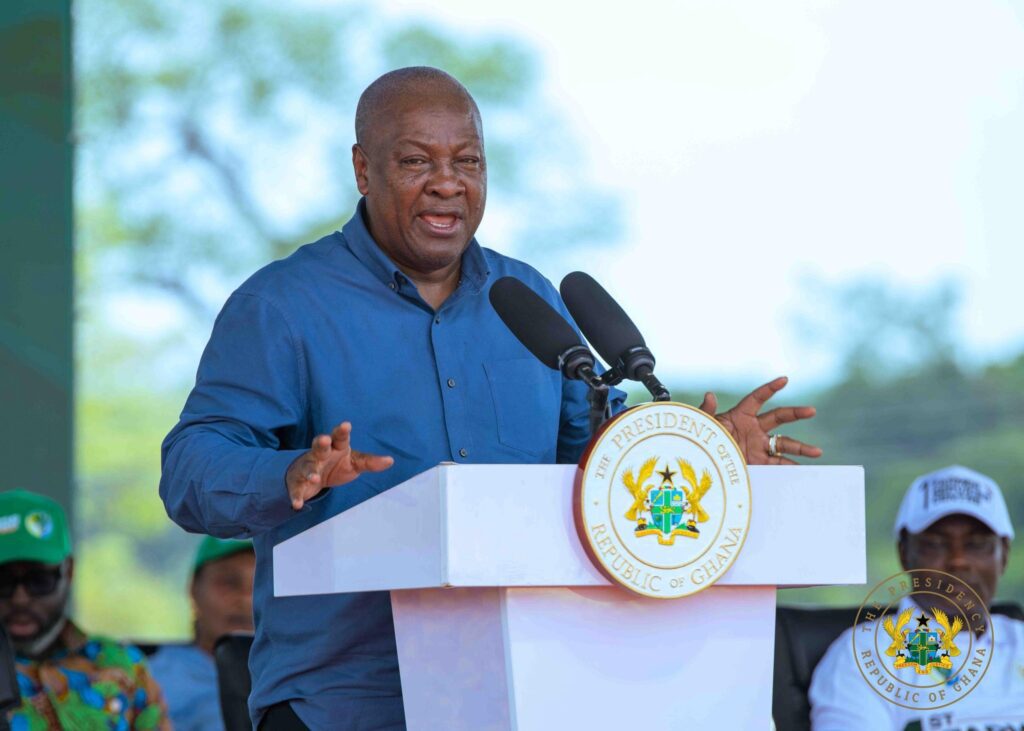
President Mahama assured the Bono Regional House of Chiefs that the region would be among the beneficiaries of the programme due to its strategic importance to national food production.
He reiterated the government’s determination to ensure equitable distribution of the centres across major farming areas and stressed that Bono would receive adequate support under the initiative. “And Bono is going to get its fair share of those farmer service centres,” he assured.
The commitment is likely to be welcomed by farmers and agricultural stakeholders in the region, many of whom have called for increased investment in mechanisation and farm support services.
Nationwide Rollout Planned
The President further disclosed that the government intends to establish a total of 50 Farmer Service Centres across the country. He explained that implementation would be carried out in phases, beginning with the first 11 centres scheduled for this year.
According to him, an additional 15 centres will be added next year, with subsequent phases continuing until all major farming zones are covered. The phased rollout is expected to ensure effective implementation while gradually expanding access to mechanised agricultural services nationwide.
The Farmer Service Centres programme forms part of government’s broader strategy to strengthen agricultural productivity, improve food security and support economic transformation.
By providing farmers with access to modern machinery and support services, the initiative aims to address longstanding challenges associated with low mechanisation levels and limited access to farm equipment.
For regions such as Bono, which contribute significantly to national food production, the centres are expected to enhance productivity and support the growth of commercial agriculture.
As preparations continue for the arrival of equipment and the construction of supporting infrastructure, expectations are growing that the programme will provide a major boost to Ghana’s agricultural sector and help position farming as a more productive and profitable enterprise.
READ ALSO: Over 70km Cleared on Accra-Kumasi Expressway – President Mahama