Gold Fields Ghana has adopted ambitious targets to reduce its Scope 1 and Scope 2 greenhouse gas emissions as part of its global sustainability agenda, directly driving a modern transition toward lower-carbon mining operations.
This strategic move addresses the growing international demand for the extractive sector to minimize its environmental footprint and proactively manage climate risks.
By implementing stringent emission reduction thresholds, the corporation aims to fundamentally transform its industrial operations, ensuring that mineral extraction aligns with international climate goals and local ecological conservation.
“Our focus is on increasing water reuse and recycling and limiting our dependence on freshwater sources. We do Our commitment is simple: if we cannot mine safely, we will not mine. That commitment extends beyond safety to environmental responsibility. We strive not only to comply with regulations but to go beyond compliance and leave the environment in a better condition. The company has operated in Ghana for nearly three decades and sustainability remains a core pillar of its business model, alongside economic and social development not discharge contaminated water into the environment. ”
Gold Fields Ghana’s Principal Specialist for Mine Closure (Africa and Canada Assets) Dr. Jones Mantey
To achieve these decarbonization benchmarks, the major gold producer is rolling out extensive institutional changes and operational upgrades across its West African assets.
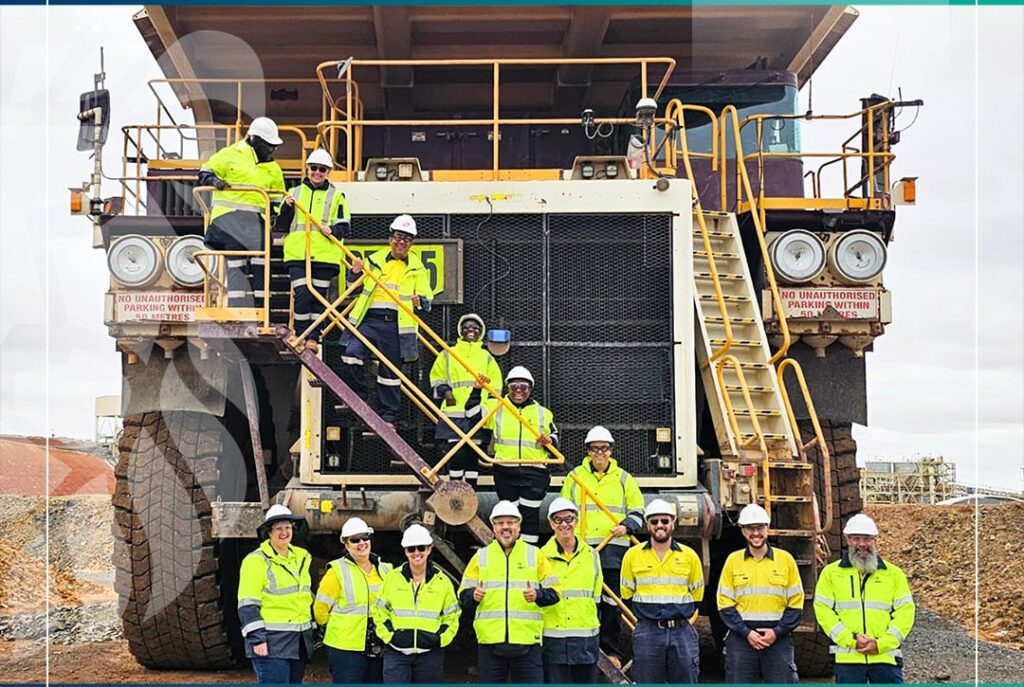
The company is actively channeling capital into advanced energy efficiency technologies, scalable renewable energy systems, and comprehensive climate resilience frameworks designed to future-proof its facilities.
This systematic restructuring allows the mining firm to drastically cut its dependence on fossil fuels and grid-tied electricity generated from non-renewable sources, demonstrating that large-scale mining can achieve commercial viability without sacrificing environmental integrity.
The Urgent Imperative for Low-Carbon Mining Paradigms
The global mining sector has historically faced intense scrutiny due to its high energy consumption and substantial contributions to global warming.
Traditional mining practices rely heavily on heavy diesel-powered machinery, intensive milling processes, and massive consumption of grid electricity, all of which emit vast amounts of carbon dioxide into the atmosphere.
As the effects of climate change intensify, international regulatory frameworks are tightening, with governments worldwide introducing strict carbon taxes and mandates that penalize carbon-intensive industries.
Consequently, the transition to low-carbon mining is no longer a voluntary choice for corporations but an operational necessity to mitigate regulatory penalties and maintain global market access.
Beyond regulatory adherence, shifting toward a lower-carbon operational model is increasingly critical for attracting institutional investors who prioritize Environmental, Social, and Governance (ESG) criteria.
Modern financial institutions are rapidly redirecting capital away from companies with high exposure to climate liabilities, favoring entities that demonstrate clear pathways to net-zero emissions.
By focusing on direct Scope 1 emissions from its fleet and indirect Scope 2 emissions from its electricity consumption, a mining enterprise can insulate itself from volatile global fuel prices while building long-term asset resilience.
This forward-looking approach ensures the sustainability of mineral supply chains, protecting both local ecosystems and the broader macroeconomy from climate-induced disruptions.
Securing Environmental Longevity and Land Reclamation Financials
To solidify its long-term operational sustainability, Gold Fields Ghana has secured approximately US$107 million in environmental reclamation bonds to guarantee the restoration of mined lands, reinforcing its commitment to responsible mining and environmental stewardship.
Submitted in strict alignment with regional regulatory mandates, this substantial environmental bond serves as a legal financial assurance mechanism.
The primary objective is to guarantee that adequate, ring-fenced funding remains available for comprehensive mine rehabilitation and final closure activities throughout the entire life cycle of its operations.
Advancing Biodiversity and Water Stewardship Metrics
A strong focus on biodiversity conservation serves as one of the enterprise’s key environmental priorities, under the rationale that healthy ecosystems are critical to climate resilience and long-term environmental sustainability.
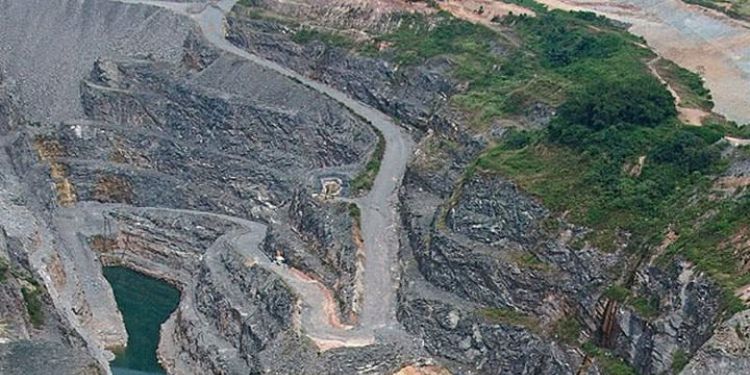
To combat the physical degradation associated with mineral extraction, the company has successfully planted almost one million trees through its structured rehabilitation and afforestation programmes to restore destroyed lands and actively enhance biodiversity around its concessions.
Dr. Mantey pointed out that healthy wildlife populations within and around the operational areas indicate that these conservation efforts are working. To ensure mining activities do not compromise ecological integrity, the Chartered Environmentalist explained that “regular biodiversity monitoring is undertaken to protect species of conservation significance.”

Simultaneously, the mining firm has advanced its local water stewardship, revealing through recent presentations that approximately 94 percent of the water used during its gold processing operations is successfully recycled and reused.
Systems are actively maintained to maximize water recycling while preventing discharges of contaminated water into the environment, which keeps resource efficiency high and limits dependence on external freshwater sources.
Furthermore, the company’s environmental management systems are fully aligned with internationally recognized benchmarks, including the ISO 14001 Environmental Management Systems and the ISO 50001 Energy Management Systems.
Moving forward, the operator is on course to pursue circular economy initiatives aimed at reducing overall waste generation and diverting industrial materials from local landfills through aggressive recycling and reuse programmes.
READ ALSO: FIFA Revise World Cup Anthem Protocol After Tuchel’s Plea