Just when Ghanaians appeared to be enjoying a period of easing prices and improved economic stability, a fresh warning from Fitch Solutions suggests tougher days may be on the horizon.
The UK-based research and analytics firm has projected that Ghana’s inflation rate will average 12.8% in 2027, more than double the expected average of 6.0% in 2026.
The forecast raises concerns about the future cost of living, household spending, and the broader economic outlook. According to Fitch Solutions, several domestic and external factors could combine to reverse the gains made in controlling inflation over the past year.
The warning comes at a time when many households are beginning to feel some relief from the sharp increases in prices that characterized recent years. However, the latest projections indicate that the battle against inflation may be far from over.
Household Spending Under Threat
One of the biggest concerns highlighted by Fitch Solutions is the impact of rising inflation on household purchasing power. As prices increase, consumers are likely to find it more difficult to maintain their current spending patterns.
The firm noted that higher inflation could weaken private consumption, which remains one of the key drivers of economic activity in Ghana. Reduced spending by households could ultimately affect businesses across various sectors, slowing economic growth and creating fresh challenges for policymakers.
According to the report, a combination of global and local pressures could trigger this inflationary surge.

US Federal Reserve Policy Could Hit Ghana
A major risk identified by Fitch Solutions is the possibility of a tighter-than-expected monetary policy stance by the US Federal Reserve.
The report explained that if inflation remains elevated in the United States, the Federal Reserve may be forced to maintain higher interest rates for longer than currently anticipated. Such a move could have significant consequences for global commodity markets, particularly gold.
Since gold remains one of Ghana’s most important exports, weaker global gold prices could reduce the country’s export earnings and place pressure on the local currency.
“This would put pressure on the cedi, resulting in higher inflation than we currently forecast and a corresponding drag on household consumption and broader economic activity in H2 [second-half] 2026 and 2027”.
Fitch Solutions
The warning suggests that global economic developments could quickly spill over into Ghana’s economy, affecting everything from exchange rates to consumer prices.
The End of the Cedi Advantage
Fitch Solutions also pointed to the role the cedi has played in helping to keep inflation remarkably low in recent months.
According to the report, the local currency’s strength has significantly reduced imported inflation, helping businesses and consumers manage costs more effectively.
The firm stated, “However, as the favourable base effects stemming from the cedi’s sharp revaluation in early 2025 fade, this will put upside pressure on inflation in H2 half-year 2026]”.
“In addition, the El Niño weather phenomenon likely to emerge in H2 [half-year 2026]is expected to reduce rainfall and raise temperatures, adding to food price pressures as crop yields deteriorate”.
Fitch Solutions
This means that one of the strongest forces helping to contain inflation may gradually lose its effectiveness, creating fresh upward pressure on prices.
El Niño Could Trigger Food Price Shock
Beyond monetary and exchange rate concerns, weather conditions are also emerging as a major threat to Ghana’s economic outlook.
Fitch Solutions warned that the anticipated El Niño weather phenomenon could reduce rainfall and increase temperatures across key agricultural regions. Such developments could negatively affect crop yields and lead to higher food prices.
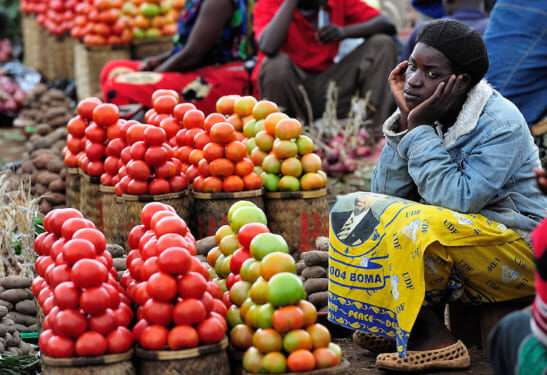
Food inflation remains one of the most sensitive issues for Ghanaian households, as a significant portion of household income is spent on food and basic necessities.
The report also highlighted risks to cocoa production, one of Ghana’s most important agricultural exports. Lower cocoa output could affect export revenues and place additional strain on the economy.
Energy Sector Faces Additional Risks
The challenges may not stop at agriculture.
Fitch Solutions indicated that lower water levels at the Akosombo Dam could affect electricity generation, potentially increasing pressure on Ghana’s energy sector.
Any disruption to power generation could have wider implications for businesses, manufacturing activities, and overall economic productivity.
The combination of rising food prices, weaker export earnings, currency pressures, and energy challenges presents a complex set of risks that policymakers may have to confront in the coming years.
Meanwhile, recent inflation figures suggest that price pressures may already be beginning to emerge.
Ghana’s inflation rate increased to 3.7% in May 2026 from 3.4% in April 2025. According to the report, the increase was largely driven by seasonal food supply constraints and unfavorable base effects.
While inflation remains relatively low by historical standards, Fitch Solutions believes the current environment could change significantly as economic and climatic pressures intensify.
READ ALSO: Standard Chartered Targets Retail Banking Exit in Ghana