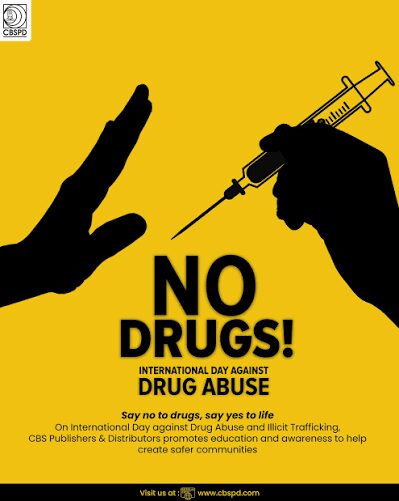
The Ministry of Education has launched a nationwide Behavioural Change Communication (BCC) Campaign aimed at tackling the growing incidence of drug abuse among schoolchildren.
Education Ministry has introduce mandatory daily anti-drug awareness messages in all pre-tertiary schools as part of a broader national strategy to promote discipline and safeguard learners.
“Daily anti-drug messages are introduced in all pre-tertiary schools as we seek to intensifies efforts to curb substance abuse and promote disciplined learning environments.”
Ministry of Education

The initiative, which is being implemented in collaboration with the Ministry of the Interior and the Narcotics Control Commission (NACOC), forms part of government’s intensified response to the rising concerns over substance abuse within educational institutions.
The campaign seeks to educate learners on the dangers associated with drug use while fostering responsible decision-making and creating safer learning environments across the country.
As part of the directive, the Minister for Education, Hon. Haruna Iddrisu, has instructed the Director-General of the Ghana Education Service (GES) to ensure the immediate introduction of a standardised anti-drug awareness message to be recited during morning assemblies in every pre -tertiary school nationwide.
The approved message, to be delivered immediately after the National Anthem and before the National Pledge, is designed to reinforce the dangers of drug abuse through daily engagement with students.
The campaign message reads:
Leader: “Don’t start it as a greeting.”
Students:” To live in regret.”
Education Ministry believe the repetitive nature of the message will help reinforce positive behavioural choices among learners while encouraging them to reject substance abuse and its associated consequences.
Government Responds to Growing Drug Abuse Concerns
The launch of the Behavioural Change Communication Campaign comes at a time when concerns over drug abuse among young people have become a major national issue, with education stakeholders, parents, security agencies and health professionals calling for stronger preventive interventions in schools.

According to the Ministry of Education, the initiative represents a proactive approach to protecting children from the harmful effects of narcotic drugs and other substances while strengthening discipline within educational institutions.
“The initiative forms part of Government’s innovative and proactive response to protecting learners from the harmful effects of substance abuse and promoting safe, healthy and disciplined learning environments across the country.”
Ministry of Education
The Ministry explained that behavioural change remains one of the most effective long-term approaches to addressing substance abuse among adolescents, particularly when reinforced consistently through school-based education.
Daily Assemblies to Reinforce Anti-Drug Education
A key feature of the campaign is the introduction of the compulsory anti-drug message during morning assemblies across all public and private pre-tertiary schools.
Education Ministry believe incorporating the message into the daily school routine will create sustained awareness among learners while strengthening the culture of prevention rather than punishment.
The Ministry noted that schools have long served as important platforms for shaping attitudes and values, making them the ideal environment to promote responsible behaviour and discourage experimentation with illicit substances.
the ministry expect the daily recitation to complement existing guidance and counselling programmes while encouraging discussions about the consequences of drug abuse among students, teachers and parents.
“The directive constitutes a key component of a broader national Behavioural Change Communication Strategy designed to discourage drug use among school-aged children, strengthen preventive education and encourage responsible decision-making among learners.”
Ministry of Education
Multi-Sectoral Partnership to Protect Learners
The campaign reflects growing collaboration between education, security and public health institutions in responding to challenges affecting the welfare of children and young people.
By bringing together the Ministry of Education, the Ministry of the Interior and the Narcotics Control Commission, government aims to combine preventive education with broader national efforts to reduce drug abuse and strengthen public safety.

Ministry of Education say the partnership will also improve coordination between schools, law enforcement agencies, health professionals and community organisations working to prevent substance abuse among adolescents.
Education experts have consistently maintained that effective prevention requires sustained collaboration among families, schools, religious organisations and government institutions.
The Ministry indicated that the Behavioural Change Communication Campaign will therefore be supported by continuous public education activities and broader stakeholder engagement.
School-Based Sensitisation to Complement Campaign
Beyond the daily assembly messages, the Ministry disclosed that the campaign will be reinforced through school-based sensitisation programmes and public education initiatives across the country.
These interventions will include awareness campaigns within schools, community engagement activities and collaboration with parents, traditional leaders, religious organisations and civil society groups to promote drug-free lifestyles among young people.
they believe involving communities will strengthen the impact of the campaign by ensuring that the anti-drug message extends beyond school compounds into homes and neighbourhoods.
“The campaign will be supported by sustained public education efforts, school-based sensitisation programmes, stakeholder engagement activities, and enhanced collaboration among educational institutions, parents, community leaders, and other key partners.”
Ministry of Education
The Ministry noted that substance abuse requires a collective national response, with every stakeholder playing a role in protecting children from harmful influences.

Behavioural Change at the Centre of Government’s Strategy
Rather than relying solely on disciplinary measures, the campaign places strong emphasis on behavioural change through continuous education and positive reinforcement.
Education Ministry believe helping learners understand the long-term consequences of drug abuse will encourage them to make informed decisions and resist peer pressure.
The Ministry explained that promoting positive attitudes during the formative years remains essential to developing responsible citizens capable of contributing meaningfully to national development.
they also expressed confidence that sustained awareness campaigns will gradually reduce the prevalence of substance abuse within schools while promoting healthier lifestyles among students
Ministry Calls for National Support
The Ministry of Education has appealed to parents, teachers, community leaders and all education stakeholders to actively support the campaign to ensure its success.
According to the Ministry, safeguarding the wellbeing of learners requires collective responsibility, with schools serving as the foundation for nurturing disciplined, healthy and productive citizens.
“The Ministry of Education remains committed to safeguarding the wellbeing and future of every learner and calls on all stakeholders to support this national effort to eliminate drug abuse from Ghana’s schools and educational institutions”.
Ministry of Education
Education Ministry says they believe that the nationwide Behavioural Change Communication Campaign represents an important milestone in government’s efforts to address substance abuse among schoolchildren through sustained education, community engagement and institutional collaboration.
With the immediate implementation of daily anti-drug awareness messages in schools, the Ministry expects the initiative to strengthen preventive education, reinforce positive values and contribute to creating safer, healthier and more disciplined learning environments for learners across Ghana.
READ MORE: Sliding Scale Royalty: IMF Urges Gov’t to Balance Revenue Objectives with Investor Confidence