
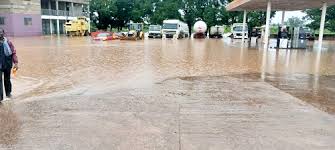
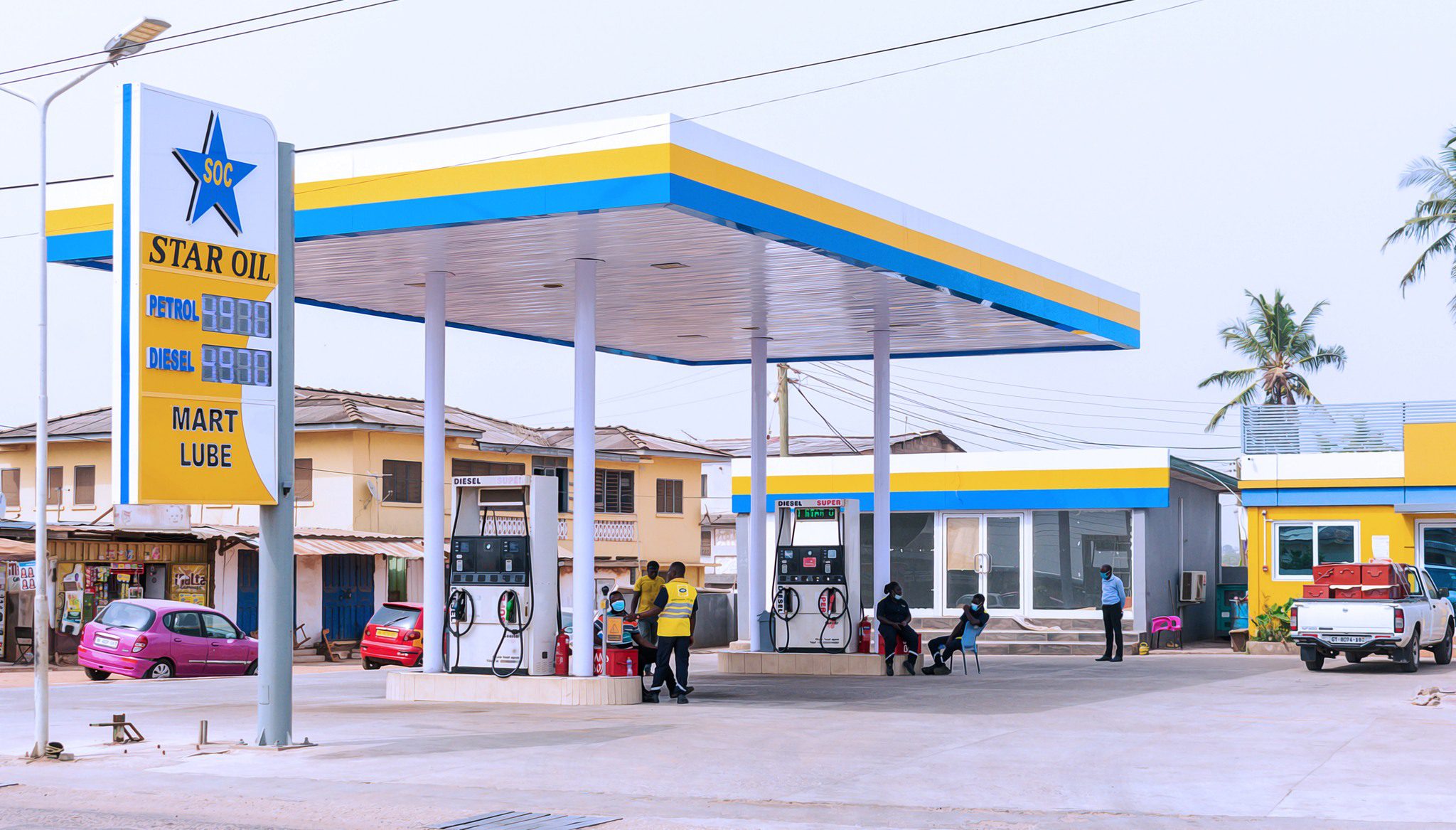
Heavy rains and flooding have renewed attention on fuel quality management across Ghana’s downstream petroleum sector, with the Chief Executive Officer of Star Oil, Kwame Tieku, urging motorists to postpone refuelling where possible as fuel stations step up efforts to prevent water contamination in underground storage tanks.
The caution comes as parts of the country continue to experience flooding, increasing the risk of water seeping into underground fuel storage systems. Although modern fuel stations are equipped with monitoring systems designed to detect contamination before fuel reaches consumers, the industry operator says periods of intense rainfall require more frequent inspections to protect fuel quality.
In a message shared on social media, Tieku advised motorists to avoid unnecessary fuel purchases until weather conditions improve.
Avoid buying fuel today if not urgent. Floods are a big risk for water entering fuel underground tanks. Our teams are constantly monitoring for water infiltration though, but avoid filling up if you can.
Kwame Tieku, Chief Executive Officer, Star Oil
While the warning was directed at Star Oil customers during the current weather conditions, it has also highlighted a broader issue affecting fuel stations whenever prolonged flooding occurs.
Why flooding matters
Contrary to common perception, water does not mix with petrol or diesel.
Instead, because water is denser than petroleum products, any water entering an underground storage tank naturally settles at the bottom while fuel remains above it.
This principle is factored into the design of fuel station infrastructure.
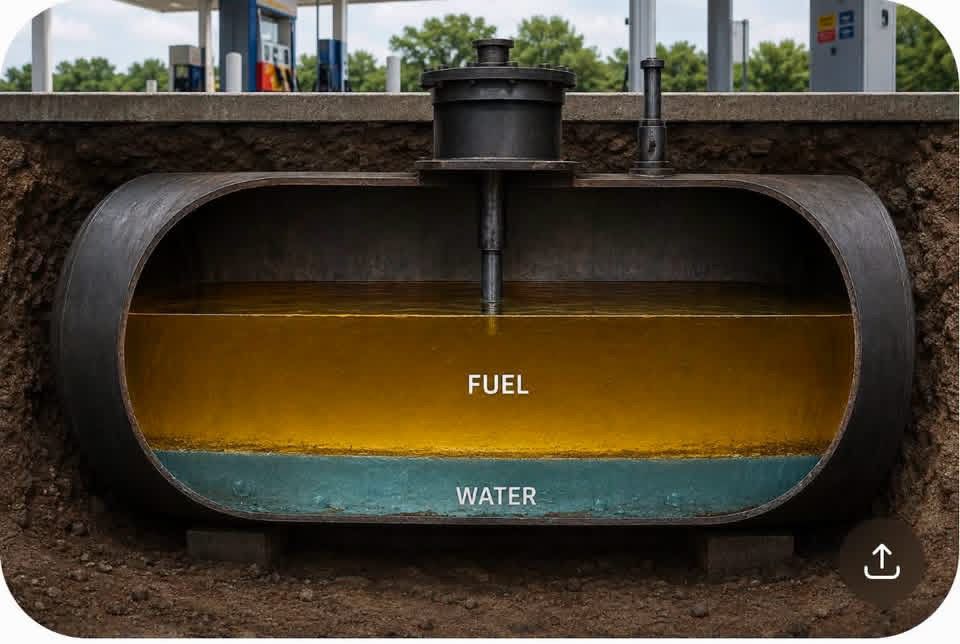
Fuel dispenser suction pipes are deliberately installed above the base of underground tanks so they draw fuel from the upper layers while leaving any accumulated water below.
Problems arise only if the volume of water becomes significant enough to reach the level of the suction pipe.
When that happens, water can be drawn into dispensing systems together with fuel, creating the risk of contaminated fuel reaching customers.
Such contamination can affect engine performance, damage fuel injection systems, and increase vehicle maintenance costs.
How fuel stations detect contamination
Industry practice requires operators to monitor underground tanks regularly, particularly during periods of heavy rainfall.
According to Mr Tieku, stations use Automated Tank Gauging (ATG) systems alongside physical inspections to identify any signs of water infiltration.
One common method involves applying water-sensitive paste to a calibrated measuring stick before lowering it into the storage tank. The paste changes colour upon contact with water, allowing operators to determine both the presence and depth of accumulated water.

Whenever water is detected, it is removed before the tank returns to normal operation.
Whenever water is detected in an underground fuel tank, it must be removed promptly to prevent contamination risks and ensure customers continue receiving quality fuel.
Kwame Tieku, Chief Executive Officer, Star Oil
The combination of automated monitoring and manual verification provides operators with an additional layer of protection during periods when flooding increases the likelihood of groundwater entering storage systems.
A wider industry issue
The latest warning also comes at a time when fuel quality has become an increasingly important issue within Ghana’s downstream petroleum sector.
Recent industry discussions have highlighted concerns about fuel adulteration, supply chain monitoring and the need for stronger quality assurance measures as competition among oil marketing companies intensifies.
Although water contamination caused by flooding differs from deliberate fuel adulteration, both ultimately affect consumer confidence and underline the importance of strict operational standards across the sector.
Industry observers note that quality assurance becomes particularly critical during the rainy season, when changing weather conditions can expose underground infrastructure to additional risks.
What it means for motorists
For motorists, the warning is less about creating alarm than encouraging awareness.
Most modern service stations have systems designed to detect contamination before fuel is dispensed, and operators have strong commercial incentives to ensure customers receive quality products.
Nevertheless, periods of severe flooding require increased vigilance.
Motorists who experience unusual engine performance immediately after refuelling, including difficulty starting vehicles, engine misfires or sudden loss of power, are generally advised to contact the filling station involved and have the vehicle inspected promptly.
Experts also recommend purchasing fuel from established stations that maintain routine monitoring and quality control procedures, particularly during periods of persistent heavy rainfall.
Protecting confidence in fuel supply
Beyond individual motorists, maintaining fuel quality is essential for Ghana’s broader economy.
Petroleum products power transportation, manufacturing, mining, agriculture and electricity generation. Any disruption to fuel quality has implications that extend beyond individual vehicles to businesses, supply chains and economic activity.
The latest caution therefore serves as a reminder that fuel security is not only about maintaining adequate supplies but also ensuring the integrity of products delivered to consumers.
As Ghana enters another period of heavy rains, the focus for fuel retailers is likely to remain on intensified monitoring, rapid response to any signs of contamination and maintaining public confidence in the country’s fuel distribution system.
READ ALSO: Presidency Issues Urgent Flood Safety Alert as Rains Batter Accra