Ghana grappled with severe economic repercussions following brutal flooding triggered by heavy rains on June 28 and 29, 2026.
The floods submerged neighborhoods in Accra such as Spintex, Adabraka, and major highways including the N1, disrupting lives and economic activities across the capital and other regions.
This event highlights the country’s long standing vulnerability to climate induced disasters and their costly impact on growth.
Immediate Economic Shock and Infrastructure Damage
The flooding caused widespread disruption to transportation networks, businesses, and daily commerce. Floodwaters stranded thousands, damaged vehicles, and forced closures of shops and markets in affected areas. In Accra, key commercial hubs faced operational halts, leading to immediate revenue losses for small and medium enterprises that form the backbone of Ghana’s urban economy.
Infrastructure suffered heavy blows.
Roads, bridges, and drainage systems collapsed or became impassable, complicating supply chains for goods and services. Power outages from electrocution risks and submerged facilities added to the chaos. Government estimates and initial assessments point to damages in the hundreds of millions of dollars in the capital alone, contributing to a national bill that experts project could reach billions when including indirect costs.

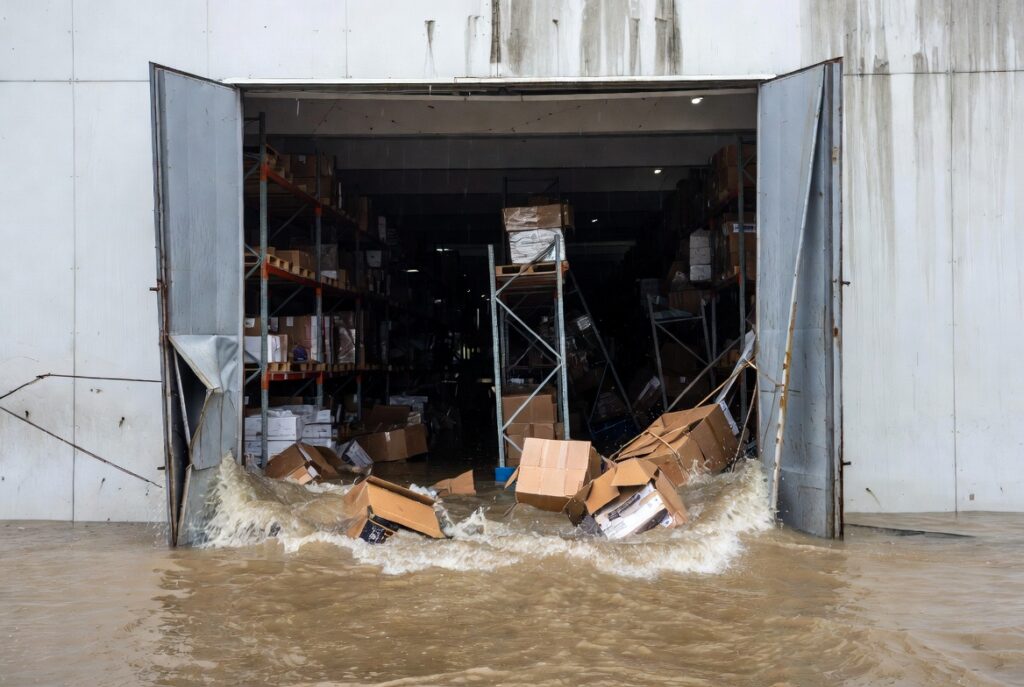
A company in Accra lost its entire warehouse as floodwaters washed away all stored goods, dealing a major financial blow to operations and supply chains. Transportation suffered heavy losses. Numerous cars valued in millions of cedis were swept away and mangled beyond salvage, leaving owners with total losses and complicating insurance claims.
The floods claimed several lives through electrocution and drowning while animals also perished in large numbers. These tragedies compounded the economic pain as families lost breadwinners and productive assets.
Historical patterns show that floods cost Ghana an average of around 100 to 200 million dollars annually, equivalent to roughly 0.23 percent of GDP in direct terms. A single major event like this amplifies those figures significantly through multiplied effects on productivity and recovery spending.
Agriculture and Food Security Under Threat
Agriculture, which employs a large portion of Ghana’s workforce and contributes substantially to GDP, faced severe setbacks. Floods destroyed crops, livestock, and farmlands, particularly in low lying and northern regions prone to riverine flooding. In past similar events, tens of thousands of hectares were inundated, resulting in production losses of hundreds of thousands of metric tons of staples like maize, rice, and vegetables.
In one stark case, a poultry farmer lost his entire flock of birds to the rising waters. This incident underscores the vulnerability of livestock operations and the ripple effects on food supply and farmer incomes.
This event exacerbates food price pressures and threatens household incomes in rural areas. With many farms operating on subsistence or small scale levels, farmers lose not only current harvests but also seeds and equipment, delaying recovery for entire seasons.
Broader ripple effects include reduced exports of cash crops and increased reliance on imports, straining foreign exchange reserves. Studies covering 2013 to 2023 indicate that floods affected over 110,000 households and caused cumulative economic losses exceeding 1.7 billion dollars nationwide. A single brutal event can push annual figures toward the higher end of projections.
Impact on Businesses, Trade, and Employment
Urban businesses, especially in retail, manufacturing, and services, reported substantial inventory losses and downtime. Informal sector workers, who lack formal safety nets, bore a disproportionate burden through lost wages and damaged livelihoods. Tourism and hospitality sectors in flood prone areas also suffered as visitors canceled plans amid safety concerns.
Trade faced interruptions with port related activities and road transport slowed. Ghana’s economy, reliant on efficient movement of goods like cocoa, oil, and minerals, experiences higher logistics costs that erode competitiveness. Small enterprises, often operating with thin margins, risk closure without swift support, potentially raising unemployment rates in affected districts.
Longer Term Macroeconomic Consequences
Beyond immediate damages, the flooding event risks permanent output losses if reconstruction lags. In middle income economies like Ghana, studies show that severe floods can lead to lasting declines in industrial value added without adequate investment in resilient infrastructure.
Government resources diverted to emergency response and repairs may crowd out spending on education, health, or development projects.
Fiscal pressure increases as authorities allocate funds for relief, with potential impacts on budget deficits and public debt. Inflation could rise temporarily due to supply disruptions, particularly in food and construction materials, while weaker demand from affected households exerts counter pressure. The overall effect depends on the speed of recovery efforts.
Climate change projections suggest worsening flood risks, with potential GDP losses compounding over time. Without stronger resilience measures, repeated events could hinder Ghana’s progress toward upper middle income status and poverty reduction goals.
Government and Stakeholder Response
Authorities, including the National Disaster Management Organisation (NADMO), military, and fire services, launched rescue and cleanup operations. President Mahama directed accelerated drain clearing and demolition of structures obstructing waterways while forming a taskforce for sustainable solutions.
Calls grow for improved urban planning, early warning systems, and investment in climate resilient infrastructure. Partnerships with international bodies and insurance mechanisms, such as recent drought coverage expansions, offer models for flood risk financing. Experts advocate integrating disaster risk into national development planning to minimize future economic pain.
This flooding event is a reminder of the intersection between climate vulnerability and economic stability. Ghana must prioritize drainage upgrades, reforestation, and sustainable land use alongside economic diversification to buffer against shocks. Enhanced private sector involvement in specific projects and community level preparedness can reduce the scale of future losses.
Investing in early warning technology and robust infrastructure yields high returns by limiting damages and speeding recovery. International support for green adaptation projects will prove crucial as Ghana balances growth ambitions with environmental realities.
All in all, the billions in economic pain from this brutal flooding underscore the urgent need for proactive measures. By addressing root causes and strengthening defenses, Ghana can safeguard its economy against the rising tide of climate driven disasters.
READ ALSO: Kasapreko Leads Market Bloodbath with Sharpest Loss