
The High Court has dismissed submissions filed by the two accused persons standing trial in the Accra Sky Train case, ordering both men to open their defence in the matter. The ruling came in the case titled The Republic v Solomon Asamoah and Professor Christopher Ameyaw-Akumfi.
Dr Justice Srem-Sai, Deputy Attorney-General and Minister for Justice, confirmed the development, noting that the two accused had asked the court to dismiss the case on grounds that the Republic failed to provide sufficient evidence against them.
The court disagreed, and has since directed them to open their defence and explain why they should not be convicted for causing a $2 million loss to the nation.
Dr Srem-Sai extended gratitude to the team of State Attorneys and investigators from the Bureau of National Investigations who worked on the case in the months leading up to the ruling.
The Case Against Asamoah and Ameyaw-Akumfi
The prosecution centres on Solomon Asamoah, former Chief Executive Officer of the Ghana Infrastructure Investment Fund, and Professor Christopher Ameyaw-Akumfi, the fund’s former Board Chairman.
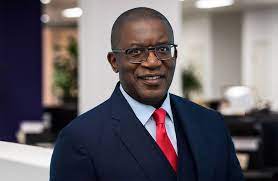
Both men face criminal charges linked to a light rail project commonly known as the Accra Sky Train, which was never built. The state accuses the two of causing a $2 million financial loss to the nation by authorising an unapproved payment to Africa Investor Holdings, a private South African company.
According to the prosecution, the payment went out in February 2019, described at the time as a feasibility or preliminary investment, without proper due diligence or the necessary directives from the GIIF Board.
Former board members and secretaries who testified during the trial told the court that the transaction bypassed internal approval channels entirely, raising questions about how such a significant sum left the fund without standard oversight.
Charges Carry Serious Weight
The Attorney General’s office built its case on findings from a state investigation that uncovered what officials describe as major governance and financial breaches within GIIF. Asamoah and Ameyaw-Akumfi face several serious charges arising from those findings.

They stand accused of wilfully causing financial loss to the state under the Criminal Offences Act. They also face charges of intentional dissipation of public funds under the Public Property Protection Decree, along with a charge of conspiracy to commit crime through the unauthorised release of state resources.
Together, the charges paint a picture of a transaction that prosecutors say circumvented the checks meant to protect public funds entrusted to the infrastructure fund.
Defence Team Maintains Clients’ Innocence
Lawyers representing Asamoah and Ameyaw-Akumfi have consistently maintained their clients’ innocence throughout the proceedings. Before the latest ruling, the defence had moved to have the case thrown out entirely, arguing that the prosecution had not met the evidentiary threshold required to proceed.
Central to the defence’s position is the argument that the sky train project did not collapse because of fraud but because the COVID-19 pandemic disrupted international funding lines and logistics necessary to bring the project to completion.
The defence has pointed to the global disruption caused by the pandemic as a legitimate explanation for the project’s failure, rather than any wrongdoing on the part of the accused.
The defence has also argued that the GIIF board remained aware of the project throughout its development, citing internal correspondence and multiple board minutes that reference ongoing discussions about the sky train initiative among leadership.

This argument aims to counter the prosecution’s claim that the payment bypassed proper board oversight.
Trial Enters Its Final Phase
The High Court closed the prosecution’s segment of the trial in May 2026, setting the stage for the defence to respond to the state’s case. With the judge rejecting the application to dismiss the case on July 2, 2026, the trial now moves into what officials describe as its final phase.
In this stage, Solomon Asamoah and Ameyaw-Akumfi must present evidence to counter the claims brought against them by the state. Both men remain out on hefty multi-million cedi bail as the proceedings continue.
The dismissal of the no-case submission signals that the court found the prosecution’s evidence sufficient to warrant a full response from the defence, rather than an early end to the trial.
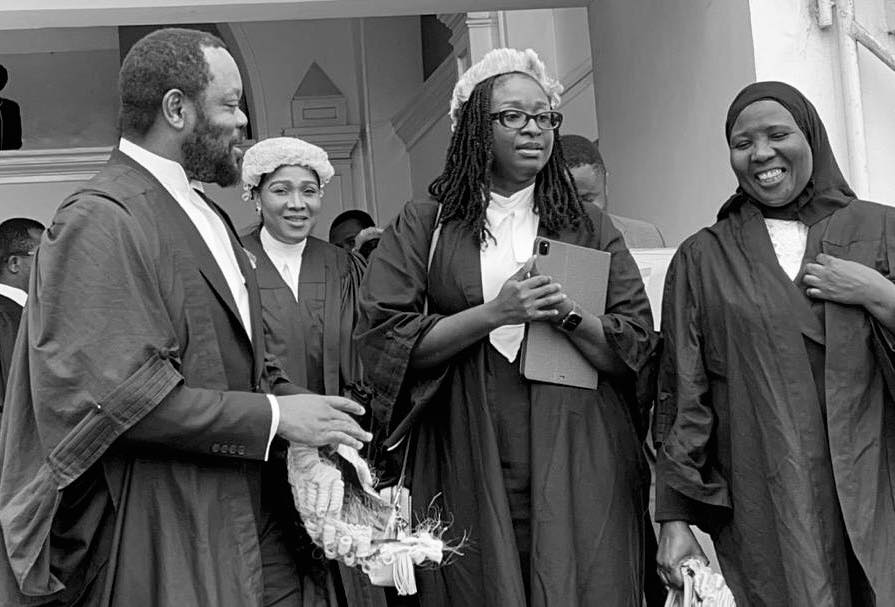
For the accused, the coming phase represents their opportunity to challenge the state’s narrative directly, particularly around the disputed payment and the extent of board awareness surrounding the project.
The case continues to draw public attention, given the scale of the alleged loss and the seniority of the officials involved.
As the defence prepares to present its evidence, the trial’s outcome will likely hinge on how convincingly the accused can substantiate their claims about pandemic related disruptions and board level knowledge of the transaction that lies at the heart of the prosecution’s case.
READ ALSO: UN Condemns Deadly Russian Strike on Kyiv