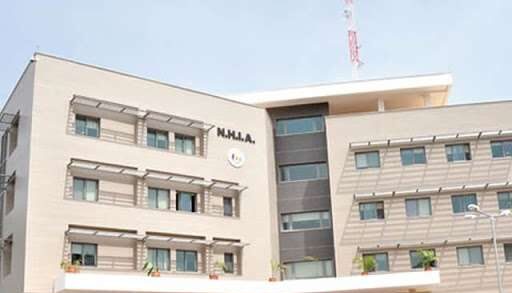
The National Health Insurance Authority’s share of expenditure devoted to paying healthcare claims declined sharply from 71.5 percent in 2015 to 44.7 percent in 2024, raising concerns about the real value of health insurance coverage to beneficiaries.
An analysis of 10 years of NHIA annual reports by Data and Policy Analyst Alfred Appiah shows that while active membership increased significantly over the period, real claims expenditure per member fell substantially.
According to Mr. Appiah, the figures point to a structural shift in NHIA spending away from healthcare claims and towards administration and partner support. The analysis shows that claims accounted for 71.5 per cent of NHIA expenditure in 2015. By 2024, the proportion had fallen to 44.7 per cent.
This means that less than half of the Authority’s expenditure was directed towards paying healthcare providers for services delivered to insured members. Mr Appiah argued that the trend becomes more concerning when expenditure is adjusted for inflation.
According to his analysis, total NHIA expenditure in 2024 stood at about GH¢1.23 billion in 2015 prices, compared with approximately GH¢1.26 billion in 2015. While nominal expenditure increased substantially over the period, its real value remained broadly unchanged.

The development suggests that the growth in NHIA expenditure did not translate into a corresponding increase in resources available for healthcare claims.
Administration and Partner Support Gain
The analysis indicates that the shift in expenditure was concentrated in administration and partner support. In real terms, partner support increased by 292 percent between 2015 and 2024, while administrative expenditure rose by 111 percent.
By contrast, real spending on healthcare claims declined by 39 per cent over the same period. The figures indicate that the Authority operated within a relatively constrained real expenditure envelope while allocating a growing share of its resources outside direct claims payments.
For Mr. Appiah, the issue is therefore not simply that NHIA expenditure increased or declined, but how available resources were distributed. The decline in claims spending becomes more pronounced when measured against NHIA membership.
Active membership increased by 63 percent, rising from 11.3 million people in 2015 to 18.5 million in 2024. However, real claims expenditure per member fell from GH¢79 in 2015 to GH¢30 in 2024.
That represents a 62 percent decline and the lowest level recorded during the 10-year period analysed. The contrast between expanding membership and declining real claims expenditure per member raises questions about the financial capacity of the scheme to meet healthcare needs.

Mr. Appiah summarised the trend by arguing that Ghana has been expanding insurance coverage without a corresponding increase in resources available to fund the healthcare services promised to members.
NHIS Funding Capping Affected Claims
The analysis also places much of the period of declining claims payments within the tenure of the previous NPP-Akufo-Addo administration. Eight of the 10 years covered by the analysis fell under the previous administration, during which the National Health Insurance Fund was capped.
It is obvious that capping limited the revenue available to the Fund and consequently constrained the resources available for claims payments. The subsequent uncapping of the Fund under the Mahama administration has significantly increased the resources available to the NHIA and enabled a stronger claims-payment regime.
The change in funding has been accompanied by a significant acceleration in claims reimbursements in 2025. The NHIA reportedly paid more than GH¢1.1 billion to accredited healthcare providers during the year, with improved cash flow following the uncapping of the National Health Insurance Fund supporting faster payments.
The Authority maintained an average vetting and payment cycle of about 21 days for vetted claims. Major disbursements included GH¢259.5 million released in May and a subsequent GH¢243.2 million payment to healthcare providers.
The improved flow of funds helped reduce outstanding claims and supported healthcare facilities with resources to maintain service delivery. It also helped reduce pressure on patients to make additional out-of-pocket payments at accredited facilities.

Claims Payments Reach GH¢1.46bn in 2026
The pace of reimbursement has continued into 2026, with the NHIA reportedly disbursing approximately GH¢1.46 billion to accredited healthcare providers nationwide. The payments are intended to clear outstanding provider arrears, ensure continuity of healthcare services and enable facilities to procure essential medicines and other supplies.
In late July and early August 2026, the Authority released an additional GH¢256.5 million covering services provided between January and June. Earlier, on July 1, the NHIA paid GH¢219.8 million covering vetted claims up to May 2026.
More than GH¢157 million was also released across two tranches in April and May to address outstanding claims, including some arrears dating as far back as 2019. The developments suggest a potential shift in the financial position of the NHIA following the uncapping of the National Health Insurance Fund.
The 2015–2024 data point to a period in which membership expanded significantly while real claims spending per beneficiary contracted. The stronger reimbursement levels recorded in 2025 and 2026 could therefore represent an important change in the scheme’s ability to finance healthcare services.
However, the longer-term impact will depend on whether improved funding can be sustained and translated into consistent claims payments, stronger provider confidence and reduced financial pressure on NHIS members.
For Ghana’s health insurance system, the central challenge is no longer simply expanding membership. It is ensuring that the financial resources backing that membership are sufficient to deliver the healthcare benefits promised to millions of citizens.
READ ALSO: Burnham Pledges 100% Support for Ukraine Despite Russian Warning