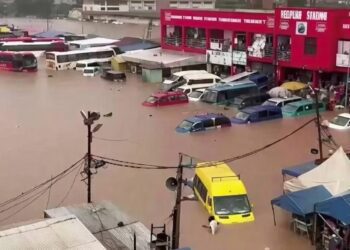
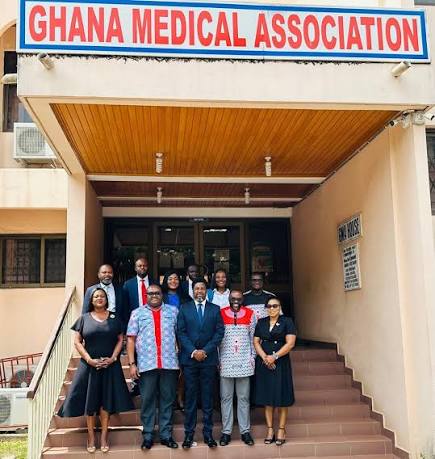
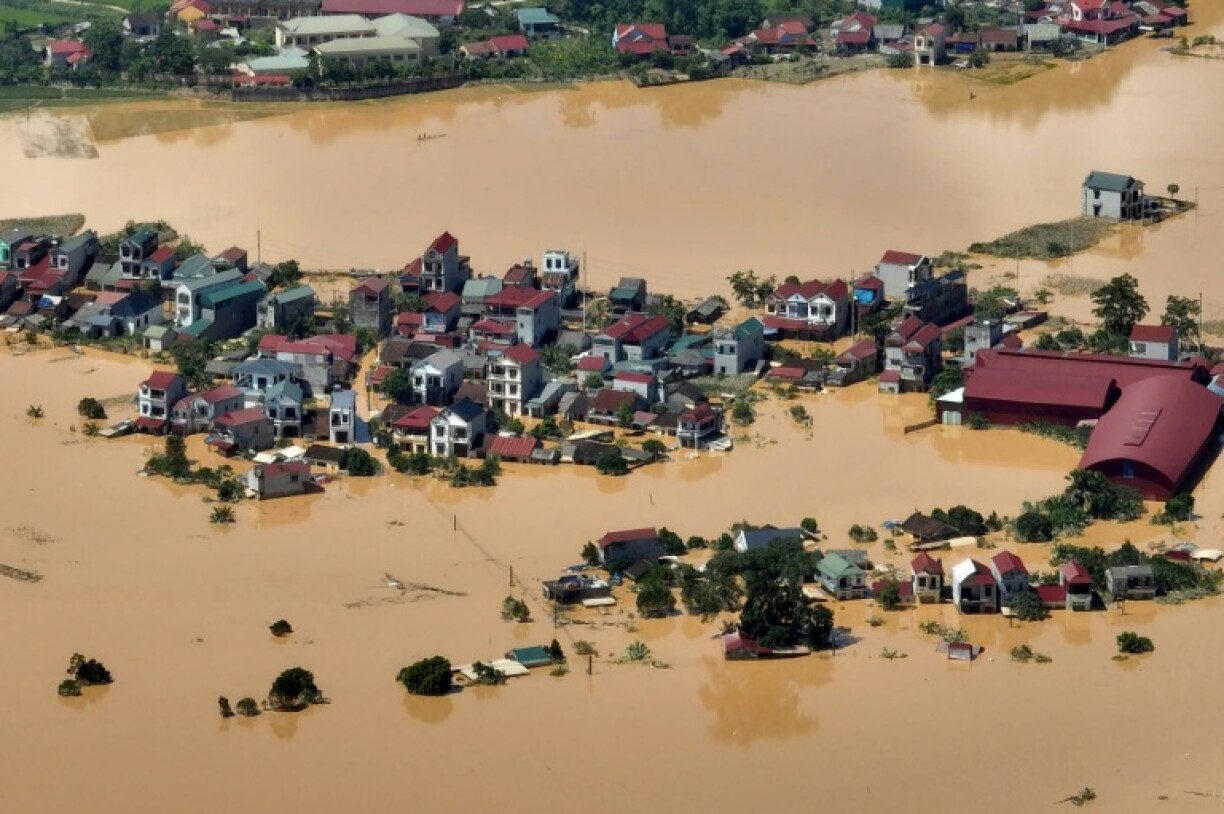
Ghana Medical Association (GMA) has issued a strongly worded appeal for urgent national action to address the country’s recurring flood crisis, warning that the perennial disaster continues to claim lives, destroy livelihoods and expose communities to rising disease risk.
The Association expressed grave concern over the perennial flooding affecting major cities and communities across Ghana, particularly Accra, pointing to a pattern of destruction that has repeated itself for over a decade. Its cites death tolls across four regions, blames poor planning and weak enforcement as it pushes an eight point action plan to protect public health.
“We urge the President to take tough and decisive decisions and actions that will bring significant and lasting solutions to the perennial flood situation in Accra and other communities.”
Ghana Medical Association
GMA traced the country’s flooding troubles back several years, noting that Accra has experienced recurrent flooding for many years, with significant adverse effects on residents, businesses, and critical infrastructure.
According to the Association, major flooding incidents have occurred in Accra in 2010, 2015, and 2021, with the crisis increasingly spilling beyond the capital into other towns and cities nationwide.
Ghana Medical Association attributed the growing frequency and severity of these events to a combination of factors, including climate change and poor urban planning, signalling that the problem is no longer isolated to any single region or season.
Casualties Mount Across Four Regions
Citing initial media reports on the current flooding, the GMA laid out the human toll region by region. In the Greater Accra Region alone, the Association recorded 12 reported deaths, 7 persons missing, and 38,802 people and 7,761 households affected. The Central Region has not been spared either, with Cape Coast recording 18 reported deaths, including fatalities resulting from building collapse.
Further afield, the Western Region’s Samreboi enclave saw approximately 1,200 persons displaced, while the Volta Region reported about 60 communities affected by the ongoing floods. Together, the figures paint a picture of a crisis that has spread well beyond Accra’s borders, touching communities across the southern half of the country.
GMA went further to identify what it described as longstanding and interrelated factors driving the recurring disaster, listing inadequate and poorly maintained drainage systems, rapid urbanisation and deforestation, and poor waste disposal practices among the key culprits.

GMA also named encroachment on wetlands and the destruction of natural watercourses, illegal mining activities commonly known as galamsey, and political interference and weak enforcement of zoning laws and building regulations, alongside limited public education on flood prevention and infrastructural deficiencies.
The Association said these underlying problems are compounded further by the approval of illegal developments in flood-prone areas, alongside inadequate funding and manpower for effective monitoring and enforcement, insufficient legal sanctions to deter violations, and inadequate equipment and logistics for emergency rescue operations.
Praise for Early Response, Call for Sustained Effort
Despite its criticism of the systemic failures behind the flooding, the Ghana Medication Association acknowledged the government’s response to the current crisis.
They commended the Ministry of the Interior for its early public risk communication during the current flooding event in Accra, as well as the ongoing emergency response and relief efforts coordinated by the National Disaster Management Organisation (NADMO) and the Ministry of Health.
“The Ghana Medical Association remains committed to working collaboratively with government, development partners, civil society organisations, and other stakeholders in ongoing relief efforts.”
Ghana Medical Association
At the centre of the GMA’s appeal is an eight point action plan aimed at reducing both the impact and recurrence of flooding. The recommendations span immediate, short term and medium term interventions, beginning with a call to strengthen drainage infrastructure through investment in the rehabilitation, expansion, and regular maintenance of drainage systems to improve stormwater management.
The Association also urged government to enforce land use planning by strictly implementing zoning regulations to prevent construction in flood-prone areas and preserve wetlands and natural watercourses, alongside intensifying community education through sustained public campaigns on flood preparedness and responsible waste disposal.
Further recommendations called for the promotion of integrated urban planning, the strengthening of institutional accountability through transparent monitoring mechanisms, and a firm push to depoliticise flood prevention. On this last point, the Association was unambiguous.
“Public officials and other actors who facilitate or permit non compliant developments that endanger public safety should be held accountable,” the association warned, directly linking political interference to the human cost of repeated flooding.
GMA additionally called for strengthened emergency response capacity, urging government to adequately resource and equip NADMO, the Ghana National Fire Service, hospital emergency departments, and the Department of Social Welfare to improve preparedness for future flood related emergencies.
Public Health Advisory for Affected Residents
Beyond its policy recommendations, the Ghana Medical Association issued practical guidance for residents currently living in flood affected communities.
They advised residents to adopt appropriate public health measures to reduce the risk of disease, including washing hands regularly with soap under running water, drinking safe water, eating freshly prepared hot meals, ensuring proper disposal of waste, and seeking prompt medical attention at the nearest health facility if diarrhoea or other symptoms of illness develop.

The Association closed its appeal by reaffirming its broader commitment to the country’s flood response, pledging continued collaboration with government, development partners, civil society organisations, and other stakeholders in ongoing relief efforts, while reaffirming its support for practical, evidence-based reforms that will reduce the frequency and impact of flooding and safeguard the health, lives, and livelihoods of the people of Ghana.
With casualty figures still emerging from multiple regions and the Association’s eight point plan now on record, attention turns to how government responds to the GMA’s call for accountability, sustained investment in drainage infrastructure, and decisive presidential action to end what the medical body has described as a perennial national crisis.
READ MORE: Mahama, Bio Deepen Regional Cooperation as Flood Crisis Dominates State Visit