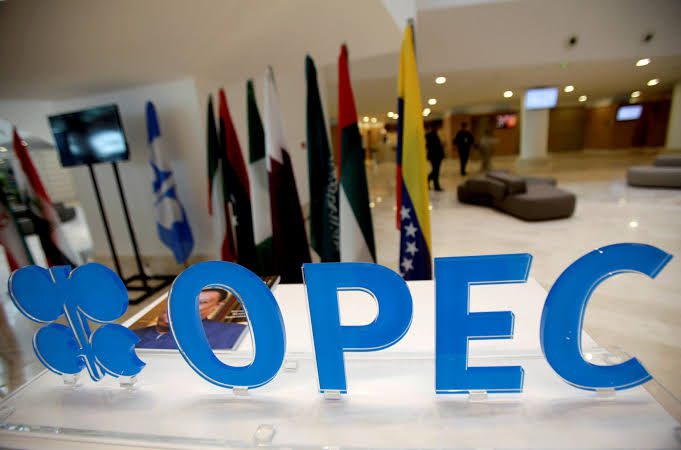
Global oil markets are entering another phase of supply adjustment after the OPEC+ alliance agreed to increase crude oil production from August, a decision that could influence fuel prices, inflation and petroleum revenues in oil-importing and oil-producing countries alike, including Ghana.
The move comes as concerns over supply disruptions in the Middle East continue to ease and international crude prices remain well below the highs recorded during the recent conflict involving Iran.
For Ghana, where international oil prices feed directly into domestic fuel pricing and petroleum revenues, developments within OPEC+ remain closely watched by policymakers, fuel marketers and businesses.
Production increase continues
At a virtual meeting on Sunday, OPEC+ agreed to raise collective production targets by 188,000 barrels per day from August, following similar increases approved for June and July.
The latest adjustment forms part of the group’s gradual reversal of voluntary production cuts introduced in 2023 to support oil prices.

According to OPEC+, the increase reflects what it described as a steady global economic outlook and current healthy market fundamentals, as reflected in the low oil inventories.
Although production targets have been raised for several consecutive months, actual output has not always matched planned increases because conflict in the Middle East disrupted exports from parts of the region earlier this year.
Oil market remains focused on supply recovery
Oil prices have largely returned to levels seen before tensions in the Middle East escalated, helped by improving shipping conditions through the Strait of Hormuz and expectations that crude exports from the region will continue to recover.
Additional pressure has also come from weaker crude demand in China, increased production outside the Middle East and coordinated releases from strategic petroleum reserves by major consuming countries.

The group of seven kept unwinding their production cuts as widely expected. The near-term focus will remain on how many tankers will manage to cross the Strait of Hormuz and how quickly demand and Chinese crude imports recover.
UBS analyst Giovanni Staunovo said, according to Reuters.
OPEC+ is also navigating internal changes following the United Arab Emirates’ exit from the production alliance earlier this year and Iraq’s calls for higher production quotas.
What the decision means for Ghana
For Ghana, developments in the international oil market extend well beyond global energy headlines.
Changes in crude oil prices directly influence the country’s downstream petroleum pricing system, affecting the cost of petrol, diesel and liquefied petroleum gas through the National Petroleum Authority’s pricing mechanism.

If higher global supply continues to keep international oil prices relatively stable, Oil Marketing Companies could face less upward pressure on pump prices, particularly if the cedi also maintains its recent strength against the US dollar.
The latest OPEC+ decision also comes shortly after Ghana recorded reductions in petroleum price floors for the first pricing window of July, with several fuel marketers subsequently lowering pump prices.
For consumers and businesses, sustained stability in international crude markets could help preserve those gains by reducing the likelihood of another sharp increase in fuel prices.
At the same time, lower crude prices present a different challenge for oil-producing countries such as Ghana.
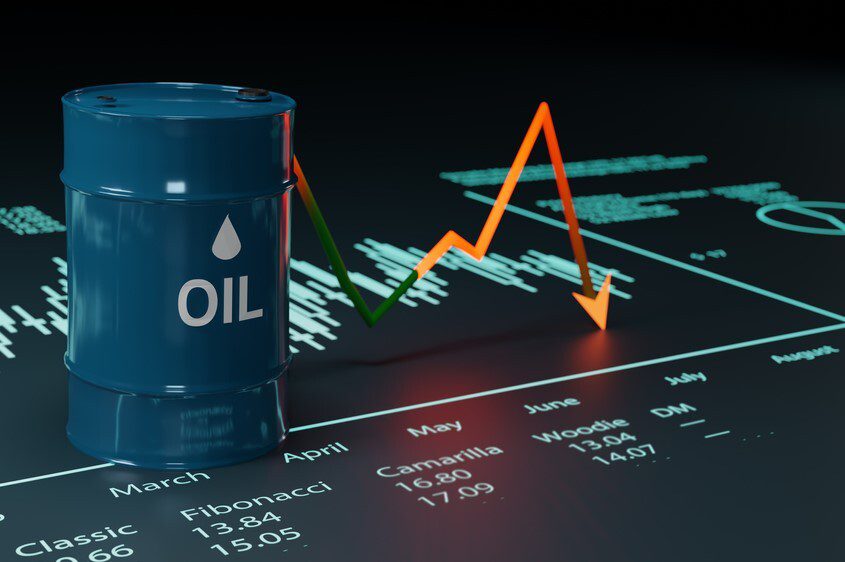
While consumers generally benefit from cheaper petroleum products, prolonged declines in international oil prices can reduce export earnings and petroleum revenues available to government, depending on production levels and prevailing fiscal terms.
Maintaining a balance between affordable fuel for consumers and healthy returns from crude exports therefore remains an important consideration for Ghana’s economy, particularly as government continues efforts to increase oil production while strengthening domestic refining and energy security.
Market attention shifts to September
With the August increase now approved, market participants are expected to focus on OPEC+’s next meeting scheduled for early August, when producers will decide whether to continue restoring the remaining production cuts.

Much will also depend on geopolitical developments in the Middle East and the pace of global oil demand recovery, particularly in Asia.
For Ghana, both factors will continue to shape the outlook for domestic fuel prices, inflation, petroleum revenues and the broader performance of the energy sector in the months ahead.
READ ALSO: Nkokɔ Nkitinkiti Initiative Boosts School Feeding Programme – Hon. Eric Opoku