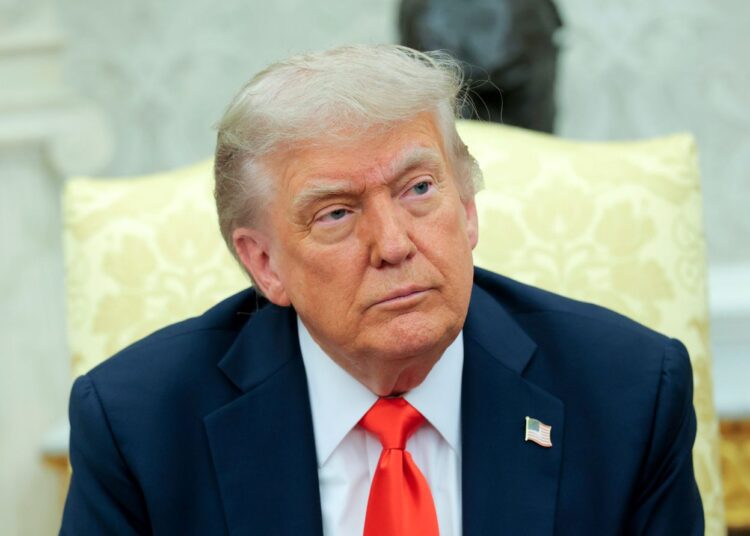
US President, Donald Trump has expressed renewed optimism about the prospects of ending the war in Ukraine, saying negotiations are progressing and that a peace agreement is “much closer than people realise” as he prepares to discuss the conflict with allied leaders at the upcoming NATO summit.
Speaking to reporters in the US, Trump said that he believes both Russian President Vladimir Putin and Ukrainian President Volodymyr Zelenskyy now want to bring the more than four-year conflict to an end.
“We are getting much closer than people realise. President Putin wants it to end. I will tell you that very strongly. What a good call. And President Zelenskyy actually wants it to end now.”
Donald Trump
Trump said that Ukraine would be a major focus of discussions at the NATO summit, where leaders are expected to examine continued military support for Kyiv, European security and efforts to bring an end to the war.
“We’re going to be going to NATO, and we’re going to be talking about it, and we, I think, we’re going to get it, I think we’re going to get it ended. We are getting close to getting it done.”
Donald Trump
The comments come after Trump held separate telephone conversations with Putin and Zelenskyy in recent days as part of a renewed diplomatic push to end the conflict. According to US and Russian officials, Trump discussed possible pathways toward a negotiated settlement during what the Kremlin described as a constructive conversation with Putin. He also spoke with Zelenskyy about the battlefield situation and prospects for future peace negotiations.

Trump is expected to meet Zelenskyy on the sidelines of the NATO summit, where Ukraine is expected to dominate discussions among alliance leaders. A senior U.S. official has said the administration views the conflict as largely stalled on the battlefield and believes the current moment presents an opportunity to pursue diplomacy more aggressively.
Since returning to office, Trump has repeatedly pledged to bring the war to an end through direct engagement with both Moscow and Kyiv. His administration has argued that prolonged fighting has reached a military stalemate and that negotiations offer the best opportunity to achieve a lasting settlement.
However, significant obstacles remain. Russia continues to insist on conditions that Ukraine has repeatedly rejected, including recognition of territories occupied by Russian forces and limits on Ukraine’s future security arrangements. Kyiv, meanwhile, has maintained that any peace agreement must respect its sovereignty and territorial integrity while providing credible long-term security guarantees.
The conflict, which began with Russia’s full-scale invasion of Ukraine in February 2022, has become Europe’s largest war since the Second World War. It has resulted in tens of thousands of military and civilian casualties, displaced millions of people and caused extensive damage to infrastructure across Ukraine.
Fighting Persists
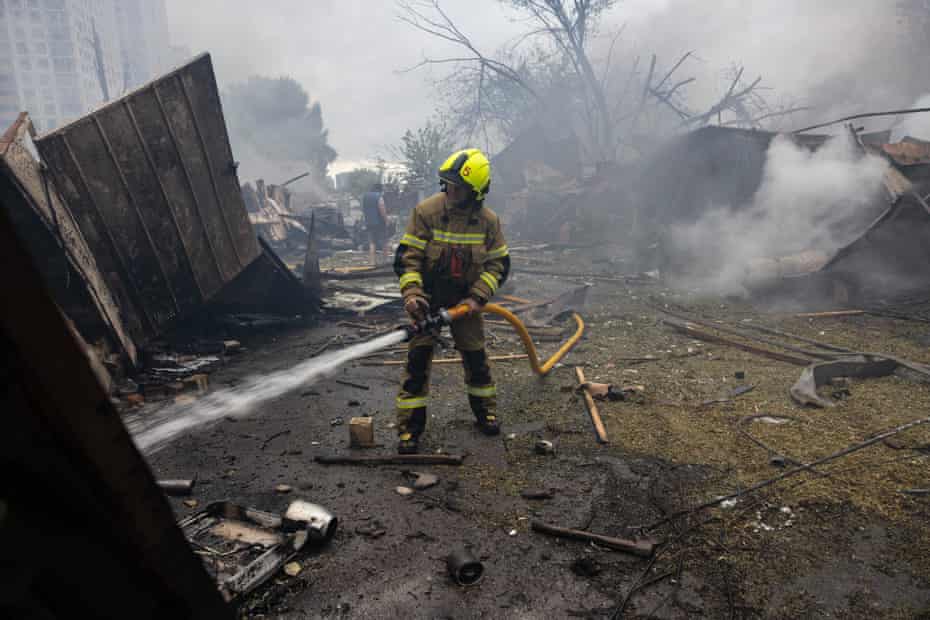
Despite Trump’s optimism, fighting between Russian and Ukrainian forces has continued. Russia has maintained missile and drone attacks on Ukrainian cities, while Ukraine has continued long-range strikes against military and infrastructure targets inside Russia.
Russian strikes on Kyiv overnight caused multiple casualties, prompting renewed calls from Zelenskyy for additional air defence systems and stronger support from Western allies.
The war is also expected to feature prominently during the NATO summit, where alliance members will discuss military assistance, defence spending and Europe’s broader security posture. Trump has consistently called on European allies to increase their defence expenditures and assume a greater share of responsibility for regional security, arguing that the United States should not bear a disproportionate burden.
While some European leaders have welcomed continued U.S. diplomatic engagement, others remain cautious about the prospects for a breakthrough, noting that previous efforts to broker a ceasefire have failed to produce lasting results. Analysts also point out that both Moscow and Kyiv continue to hold fundamentally different positions on the terms of any settlement.
Nevertheless, Trump’s latest remarks suggest his administration believes diplomatic momentum is building ahead of the high-level meetings in Turkey. Whether those discussions translate into formal negotiations or concrete progress toward ending the war remains uncertain. For now, Trump’s comments signal continued U.S. efforts to position diplomacy at the centre of its approach to the conflict, even as fighting continues on the ground.
With NATO leaders preparing to meet and both Ukrainian and Russian officials maintaining regular contact with Washington, attention is likely to focus on whether the coming days produce any tangible movement toward a negotiated end to one of Europe’s most devastating conflicts in decades.
READ ALSO: Iran Begins Funeral Procession For Late Supreme Leader