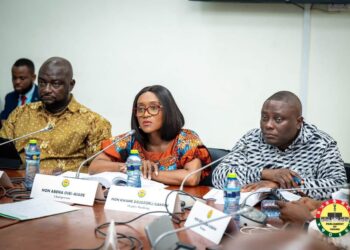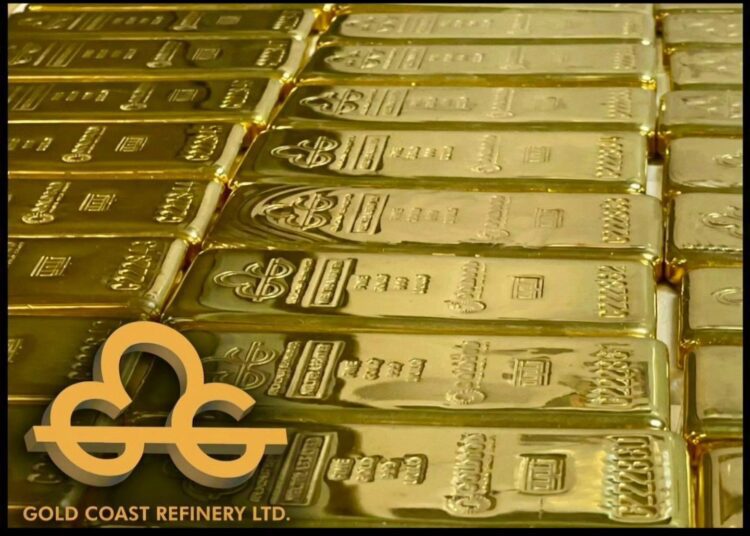
The Swiss Ambassador to Ghana, Her Excellency Simone Giger, has revealed that a substantial portion of the gold produced by Ghana’s large-scale mining companies continues to be exported to and refined in Switzerland.
This heavy concentration of precious metal processing in Western Europe occurs at a critical juncture as Ghana intensifies its nationwide industrial reforms aimed at maximizing domestic revenue retention and curbing the historical flight of mineral wealth.
“What Ghana needs in the medium term are structural reforms. I want to see the business environment improve beyond the macroeconomic figures. There is still a lot that needs to be done.”
Swiss Ambassador to Ghana, Her Excellency Simone Giger
Ambassador Giger elaborated on this trade dynamic by highlighting that multinational mining companies operating within the country systematically depend on globally certified Swiss refineries, such as Valcambi, to process raw industrial bullion before it enters international commodities markets.
While acknowledging this entrenched commercial relationship, the outgoing diplomat pointed out that Ghana’s overarching trade balance with Switzerland remains disproportionately tethered to raw gold exports, indicating an urgent economic imperative for Accra to diversify its outbound commercial portfolio and scale up internal processing capacities.
Evaluating the 30% Gold Retention Policy and the Push for LBMA Accreditation
In a direct bid to alter this structural vulnerability, the government of Ghana officially instituted a sweeping regulatory directive requiring all large-scale mining firms to sell 30 per cent of their aggregate gold output to the state-owned Ghana Gold Board (GoldBod), effective July 1, 2026.
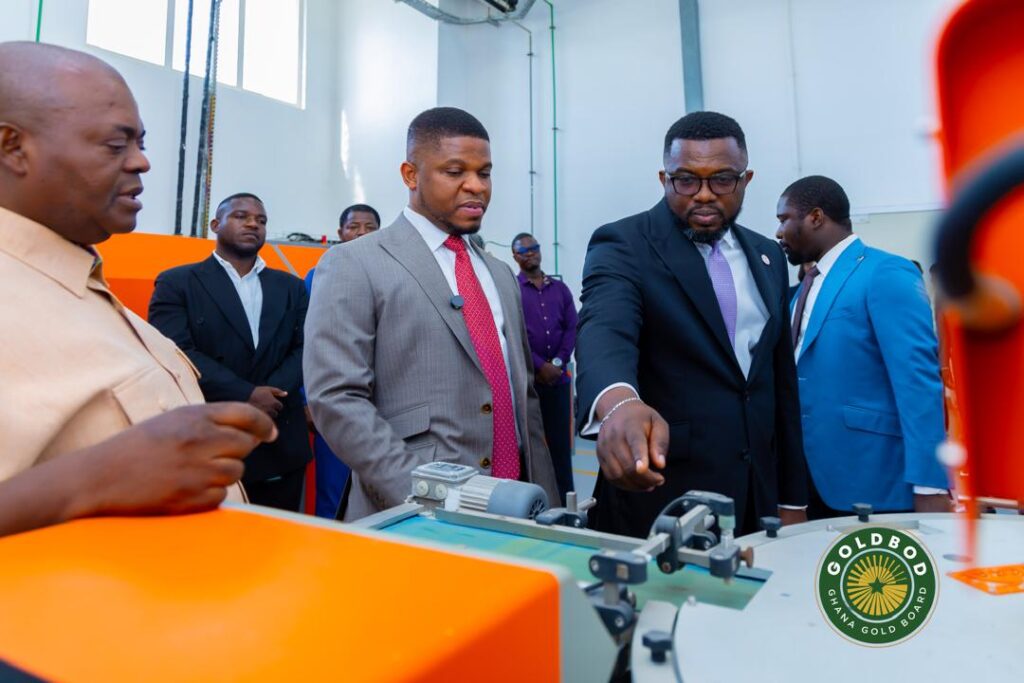
This newly retained mineral volume is strategically earmarked to feed local processing plants, primary among them being the Royal Ghana Gold Refinery, alongside several planned state-backed national refining projects.
Historically, Ghana has exported up to 99 per cent of its gold in entirely raw form, effectively forfeiting critical downstream revenues, high-value employment opportunities, and specialized technological development to foreign markets.
By domesticating a nearly third-tier share of large-scale production, the state aims to build a robust domestic supply chain that can successfully secure accreditation from the London Bullion Market Association (LBMA), an international stamp of approval necessary for locally refined gold to trade at premium global spot prices without foreign intermediaries.

While Ambassador Giger commended Ghana’s recent macroeconomic recovery following the severe fiscal crisis of 2022, she consistently maintained that long-term fiscal sustainability cannot be achieved through the simple liquidation of raw commodities.
Transitioning from a lower-middle-income exporter of primary goods to a resilient, industrialized economy necessitates that state managers look beyond traditional gold and cocoa shipping.
Environmental Governance and Tackling the Threat of Galamsey
Beyond the mechanics of large-scale commercial trade and sovereign industrialization, the broader sustainability of Ghana’s mining architecture rests on environmental preservation and rigid regulatory compliance.

Reflecting on bilateral environmental interests, Ambassador Giger reaffirmed Switzerland’s commitment to actively supporting Ghana’s national campaign against illegal small-scale mining, locally known as galamsey.
Describing the illicit extraction practice as an “evil” that inflicts catastrophic damage on the country’s water bodies, arable lands, and forest reserves, the diplomat urged for a unified, uncompromising public-private commitment.
For Ghana’s domestic refineries to cleanly integrate into the premium international market, the country must institutionalize fully traceable, responsible, and sustainable extraction practices that protect local communities while reinforcing international trade partnerships.