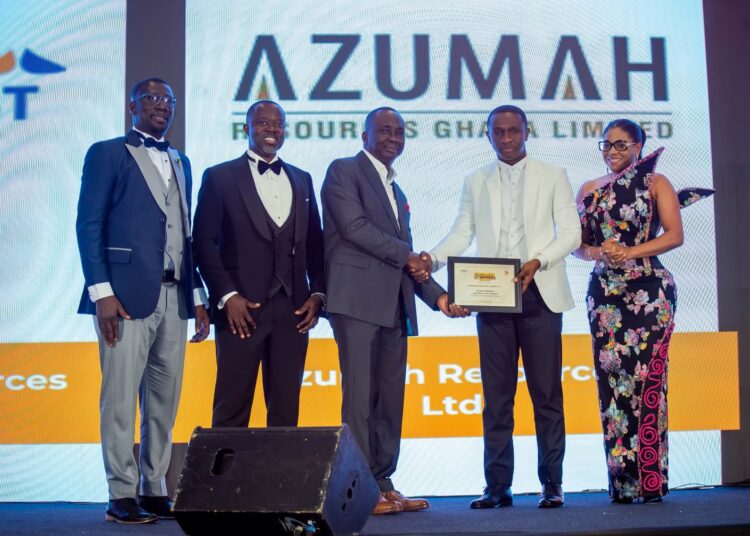
The ECOWAS Bank for Investment and Development (EBID) has approved a US$47.4 million financing package for Azumah Resources Ghana Limited to support the development of the Black Volta Gold Project, marking a significant boost for Ghana’s mining sector and the country’s efforts to expand its portfolio of large-scale gold operations.
The injection of capital represents a crucial milestone for the West African mineral resource industry, as it provides the necessary commercial foundation to transition the project from its early-stage development phase into full production capacity.
The development follows the 99th Ordinary Session of the bank’s Board of Directors, which was held under the chairmanship of EBID President, Dr George Agyekum Donkor, where the financial facility was officially greenlit as part of a strategic private-sector investment initiative.
“The projects approved during this 99th Board Session demonstrate EBID’s unwavering commitment to financing development solutions that directly improve the lives of West African citizens. From clean energy and transport infrastructure to healthcare, housing and financial sector resilience, these investments will strengthen regional competitiveness and support sustainable and inclusive growth across our community.”
Dr George Agyekum Donkor, EBID President.

The capital injection will be deployed directly toward the procurement of long-lead process plant equipment and critical early-stage engineering designs required to advance the asset.
By securing these critical long-lead items, Azumah Resources Ghana Limited will accelerate its field development timelines, positioning the asset as one of Ghana’s primary emerging large-scale gold operations.
The transaction forms part of a broader, sub-regional capital allocation strategy by the Lomé-based development bank, which approved over US$417 million in financing during the same board session to target infrastructure, cross-border highways, public healthcare facilities, and housing initiatives across West Africa.
Strategic Transformation of the Black Volta Asset
Historically, the development of large-scale mineral assets in West Africa has been constrained by the heavy initial capital expenditure required for processing plants and infrastructure.
The US$47.4 million cash injection solves this structural bottleneck by funding the immediate ordering of heavy machinery and mills that traditionally take over a year to manufacture and ship.
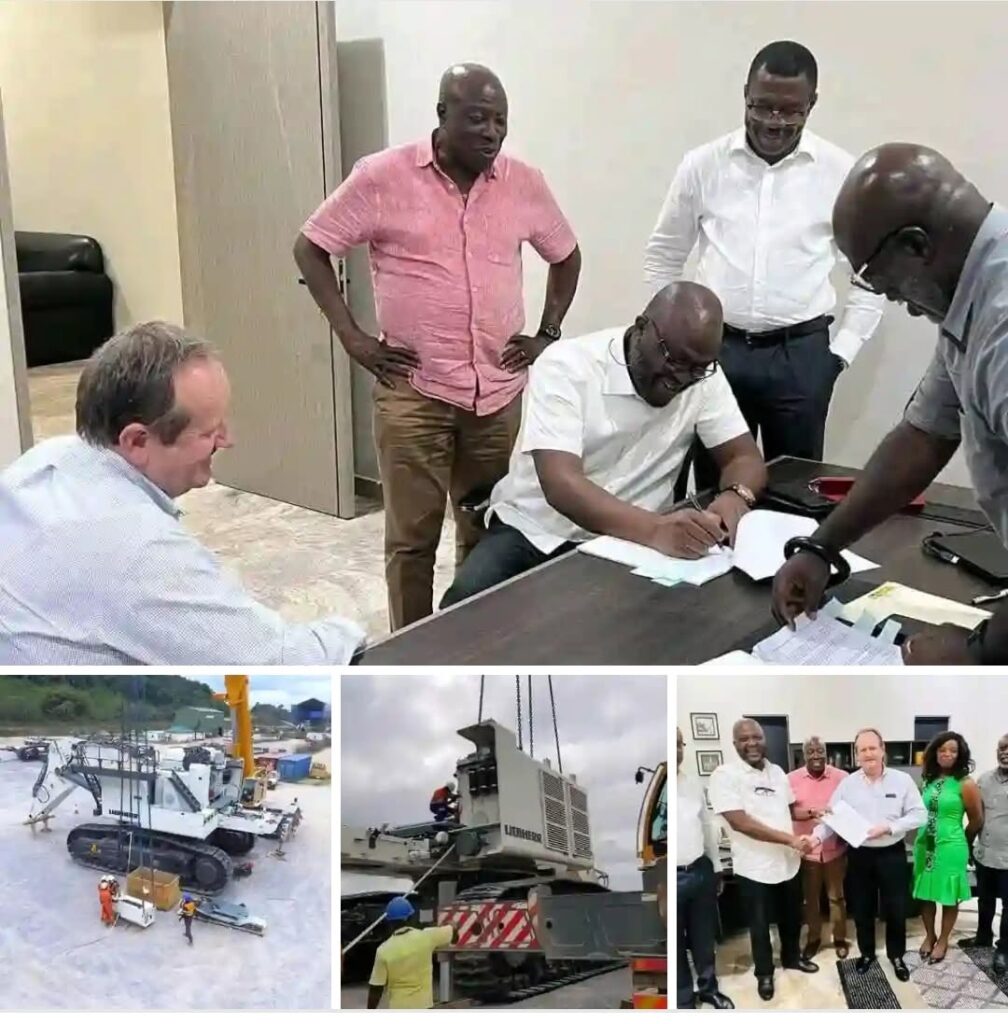
With the procurement process secured, the company can mitigate supply chain risks, de-risk the asset for future investment partners, and maintain a compressed development timeline aimed at reaching its first gold pour efficiently.
Economic Multipliers and National Upstream Benefits
The realization of the Black Volta Gold Project introduces a critical economic engine to the Upper West Region, a territory historically less industrialized than the southern gold-mining hubs.
The project will generate substantial direct and indirect employment opportunities for local communities, ranging from heavy machinery operations to technical engineering roles.

Furthermore, the expansion of Ghana’s large-scale mining footprint directly impacts the state’s fiscal inflows through corporate taxes, mineral royalties, and potential equity tracking.
By boosting national gold output, the project strengthens the Bank of Ghana’s capacity to accumulate domestic gold reserves, providing a strategic macroeconomic buffer that supports currency stabilization and overall financial resilience.
Regional Development and the GRO Growth Framework
The funding mechanism underscores a broader shift within the West African sub-region, where indigenous financial institutions are increasingly leading the development of strategic resource assets.
EBID’s capital deployment aligns tightly with its Growth, Resilience and Optimisation (GRO) Strategy, an overarching framework that prioritizes private-sector expansion, transformative infrastructure, and deep regional integration.
By anchoring this project alongside massive cross-border public works such as Nigeria’s Trans-Saharan Highway and Côte d’Ivoire’s regional health networks the bank is establishing an interconnected economic ecosystem.
This collaborative funding model validates the capacity of localized development finance institutions to substitute traditional foreign capital markets, fostering a self-sustaining investment environment across the 15 ECOWAS member states.
READ ALSO: Farihan’s Leadership Triumph Puts Ghana Banking in Spotlight