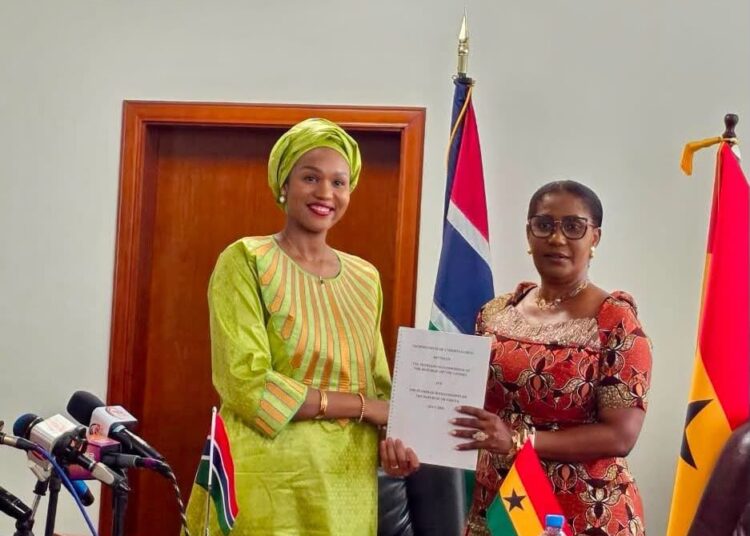
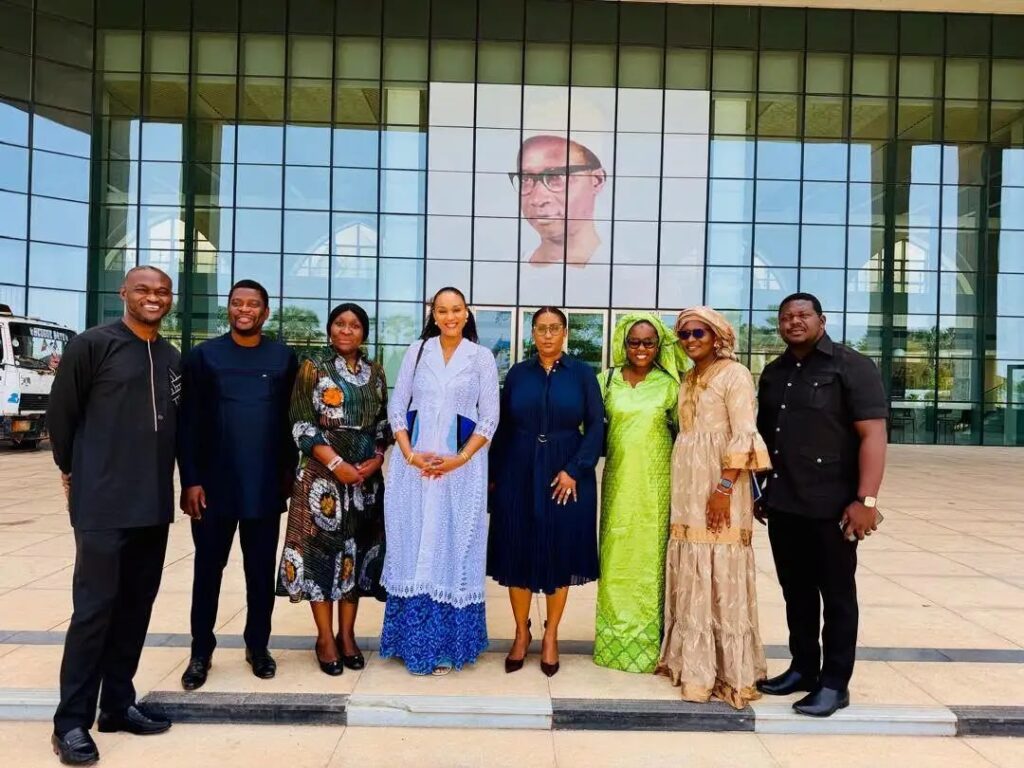
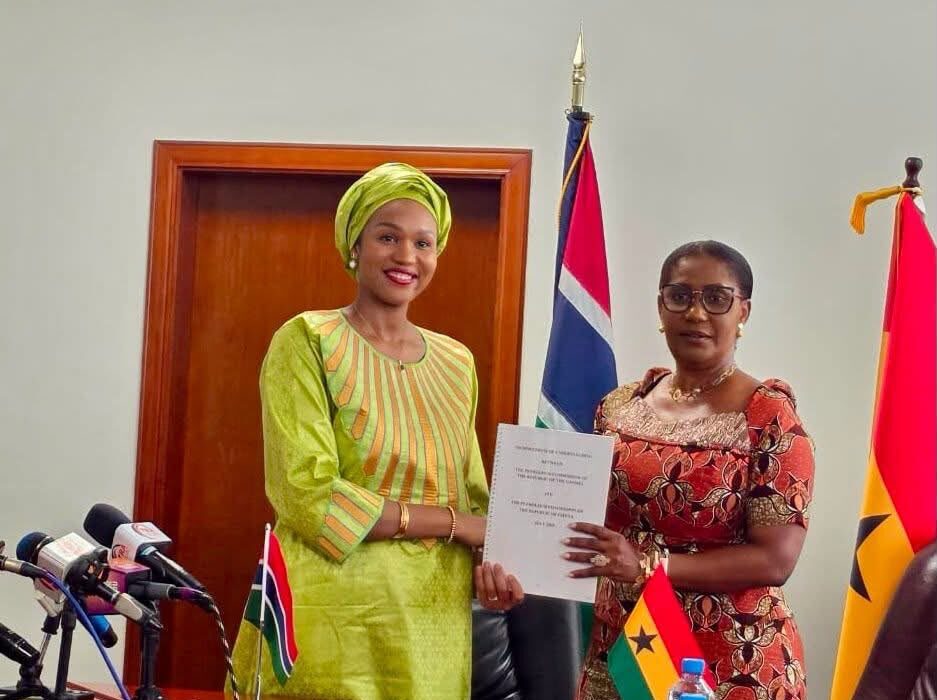
Ghana and The Gambia have taken a step toward closer collaboration in Africa’s upstream petroleum industry after their respective petroleum regulators signed a Memorandum of Understanding (MoU) aimed at strengthening regulatory cooperation, technical capacity and institutional development.
The agreement brings together the Petroleum Commission of Ghana and the Petroleum Commission of The Gambia at a time when African oil-producing countries are increasingly looking inward for expertise as they seek to maximise the value of their petroleum resources amid changing global energy dynamics.
The partnership goes beyond a ceremonial agreement. It reflects a growing recognition that African petroleum regulators can benefit more from structured cooperation, peer learning and shared institutional experience as governments work to attract investment, strengthen governance and improve oversight of increasingly complex upstream operations.
Partnership to Focus on Regulatory Capacity and Knowledge Exchange
According to the Petroleum Commission of Ghana, the agreement establishes a framework for cooperation in upstream petroleum regulation and development, with both institutions expected to exchange technical expertise and experiences in key areas including petroleum governance, licensing, procurement, stakeholder engagement and regulatory oversight.

The Commission said the partnership demonstrates a shared commitment to building stronger institutions capable of supporting sustainable petroleum development in both countries.
“This partnership reflects a shared commitment to learning from one another, building stronger institutions, and supporting the sustainable growth of the oil and gas industry in both countries”.
Petroleum Commission of Ghana
The collaboration is expected to provide officials from both regulators with opportunities for technical exchanges, institutional learning programmes and policy discussions designed to strengthen regulatory effectiveness.
For Ghana, whose upstream petroleum industry has matured considerably since commercial oil production began in 2010, the agreement positions the country not only as an oil producer but increasingly as a source of regulatory expertise within Africa.
Ghana’s Regulatory Experience Increasingly Becoming Regional Reference Point
The latest agreement comes as Ghana continues to receive growing interest from African institutions seeking to learn from its petroleum governance framework.
Only recently, Ghana hosted Kenya’s Energy and Petroleum Regulatory Authority (EPRA) for separate peer-learning engagements with both the Energy Commission and the Petroleum Commission to study Ghana’s regulatory systems, institutional arrangements and petroleum sector oversight.

The new agreement with The Gambia reinforces that trend, suggesting Ghana’s regulatory institutions are increasingly becoming reference points for countries seeking to strengthen their own petroleum governance systems.
Since the establishment of the Petroleum Commission under the Petroleum Commission Act, 2011 (Act 821), Ghana has developed regulatory structures covering exploration, production, local content, health and safety, data management and petroleum resource administration.
Industry analysts have often argued that strong institutions are as important as geological discoveries in determining whether petroleum resources translate into long-term economic benefits.
Unlike physical infrastructure, regulatory capacity influences investment confidence, operational efficiency and public accountability throughout the life of petroleum projects.
Regional Cooperation Becoming More Important Amid Energy Transition
The agreement also comes against the backdrop of increasing global discussions around energy transition and declining long-term investment in fossil fuel projects.
As international financing for upstream petroleum becomes more selective, African producers are increasingly focusing on improving governance, reducing regulatory uncertainty and strengthening institutions to remain competitive destinations for investment.

Rather than approaching these challenges individually, African regulators are gradually embracing regional cooperation as a way to improve technical capacity while responding to common industry challenges.
The Petroleum Commission noted that collaboration remains critical as African countries seek to maximise the value of their petroleum resources while adapting to changes in the global energy landscape.
“The agreement will provide a platform for both institutions to exchange experiences, strengthen technical capacity, and work together on key areas including petroleum regulation, governance, licensing, procurement and stakeholder engagement.”
Petroleum Commission of Ghana
The emphasis on governance is particularly significant because petroleum regulation increasingly extends beyond production volumes to include transparency, environmental stewardship, local participation and investor confidence.
Why the Agreement Matters for Ghana
For Ghana, the benefits extend beyond diplomacy. By sharing regulatory expertise with neighbouring countries, Ghana strengthens its reputation as a regional leader in petroleum governance while creating opportunities for deeper cooperation on future energy initiatives.
Such partnerships could eventually support broader collaboration in areas such as local content development, workforce training, regulatory research, digital petroleum administration and institutional capacity building.
They also reinforce Ghana’s broader ambition of becoming a regional energy hub, not only through oil and gas production, but through technical expertise, policy leadership and regulatory excellence.
The agreement could further enhance professional exchanges between petroleum regulators, creating opportunities for Ghanaian experts to contribute to capacity-building initiatives across the continent while learning from emerging petroleum jurisdictions.
This aligns with recent efforts by Ghanaian energy institutions to strengthen regional engagement through technical exchanges and peer-learning programmes.
Building Stronger Institutions Beyond Oil Production
The partnership also highlights an increasingly important reality within Africa’s petroleum industry. As more countries discover hydrocarbons, success will depend not only on the resources beneath the ground but also on the strength of the institutions responsible for managing them.
Poor governance has historically limited the developmental impact of petroleum resources in several producing countries. Conversely, stronger regulatory systems can improve licensing transparency, encourage responsible investment, strengthen environmental oversight and increase public confidence in resource management.
The Petroleum Commission’s latest agreement therefore reflects a broader shift towards institutional cooperation rather than competition among African regulators. Instead of each country developing expertise independently, partnerships such as this allow regulators to share lessons, avoid common mistakes and accelerate institutional development.
A Growing Network of African Energy Collaboration
The Ghana-Gambia agreement forms part of a wider pattern of regional cooperation emerging across Africa’s energy sector. Recent months have seen increasing engagement between Ghanaian energy institutions and counterparts across the continent through benchmarking visits, technical exchanges and cooperation agreements.
These collaborations recognise that while each country’s petroleum resources may differ, many regulatory challenges, including licensing, governance, environmental management, stakeholder engagement and local content implementation, are shared.
For Ghana, expanding these partnerships strengthens both its regional influence and its institutional capacity as the petroleum industry continues to evolve.
While the agreement does not involve new exploration licences or investment commitments, it lays the institutional foundation for closer cooperation between two African petroleum regulators committed to improving governance and ensuring that petroleum resources contribute meaningfully to national development.
As African countries navigate changing global energy markets and increasing pressure to balance resource development with energy transition objectives, partnerships built on knowledge-sharing and stronger institutions may prove just as valuable as new petroleum discoveries themselves.
READ ALSO: Beyond the Two-Day National Clean-Up, Accra Needs Bold Action