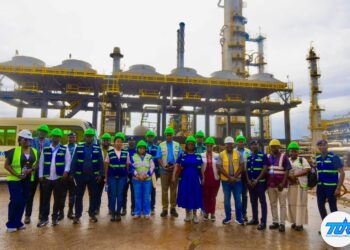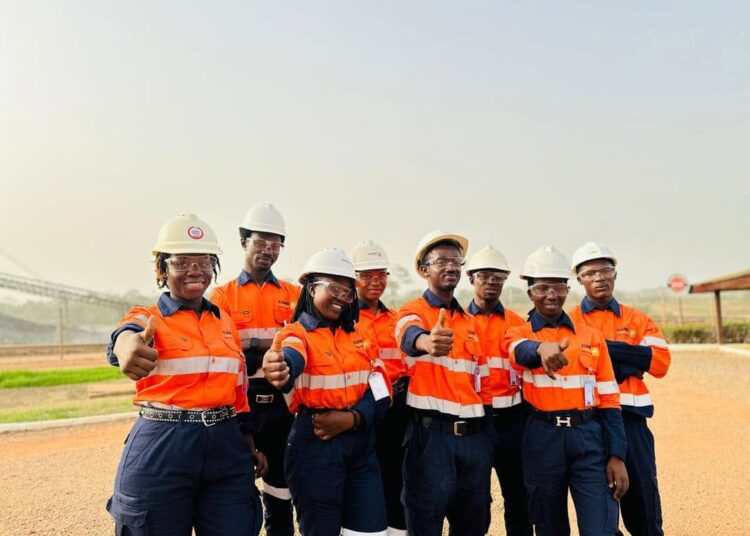
Galiano Gold has marked a historic milestone of exceeding 10 million consecutive hours worked without registering a single Lost Time Injury (LTI) at the Asanko Gold Mine, a monumental feat anchoring the operation’s 10th anniversary of continuous production.
This achievement stands as a powerful testament to a decade of relentless institutional dedication toward establishing a premier zero-harm occupational environment within the West African extractive landscape.
By integrating advanced safety compliance protocols into daily operations, the corporate entity has effectively demonstrated that commercial resource extraction can be sustainably executed when human capital protection is treated as an absolute business imperative.
Consequently, the operational benchmark achieved by the mineral asset outlines a sophisticated reference model for industrial resilience and proactive harm mitigation across Ghana’s competitive extractives economy.
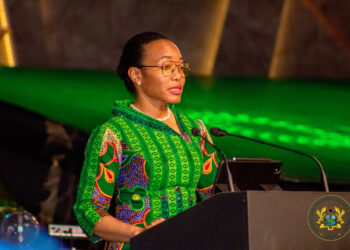
“While we are proud of this milestone, we know that safety is never taken for granted. We remain committed to continuously strengthening our safety culture and ensuring everyone returns home safely at the end of every shift.”
Asanko Gold Mine
Building directly upon this foundational ten-year history of uninterrupted mining activities, the milestone highlights the profound, active collaboration between the site’s dedicated workforce and its extensive network of strategic business partners.
Rather than treating safety as a static bureaucratic checklist, the asset management team has successfully institutionalized an operational culture where proactive hazard identification and collaborative vigilance guide everyday shifts.
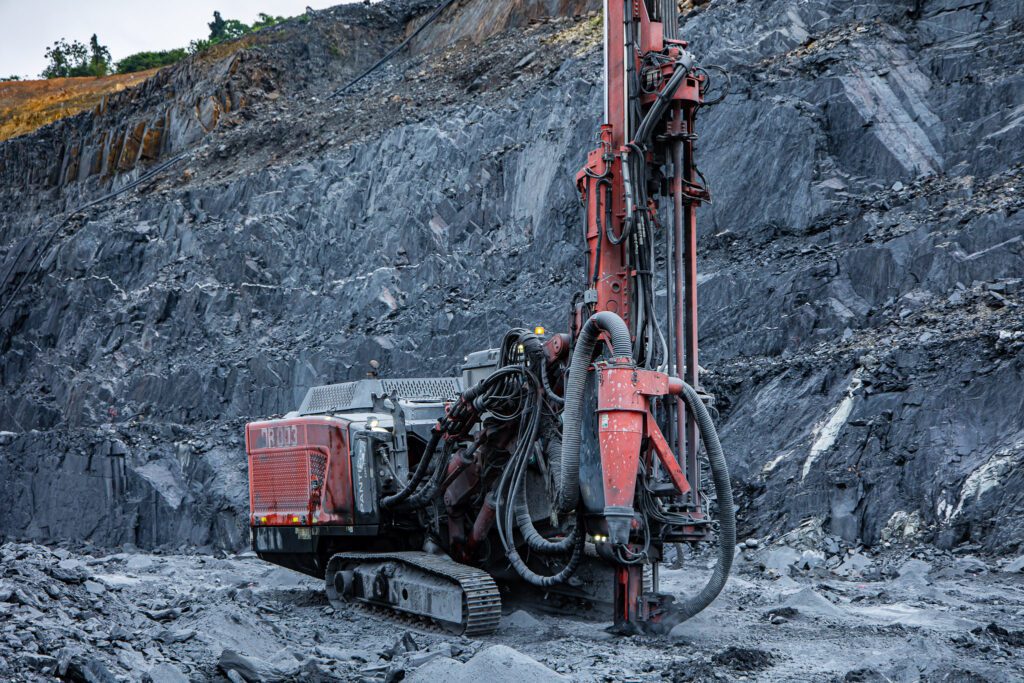
This collaborative approach has successfully mitigated traditional industrial risks inherent to complex open-pit operations and heavy processing plants, reinforcing the assertion that long-term mineral productivity is inextricably linked to the well-being of the personnel executing the tasks.
Through continuous investment in modern protective infrastructure, comprehensive training models, and robust accountability frameworks, the operation has established a firm blueprint for sustainable, zero-harm production models globally.
Decennial Milestones and the Evolution of Zero-Harm Culture
Achieving a decade of continuous extraction while building an unblemished safety record requires a structural integration of operational discipline that extends from high-level corporate boards down to the processing plant floors.
The historical trajectory of the mine demonstrates that maintaining occupational safety over 10 million hours necessitates a dynamic, evolving strategy capable of adapting to changing geological and structural challenges.
Industry analysts note that the ability to prevent lost-time incidents over such a prolonged duration relies heavily on empowering frontline workers to make critical, safe decisions without fear of compromising production targets.
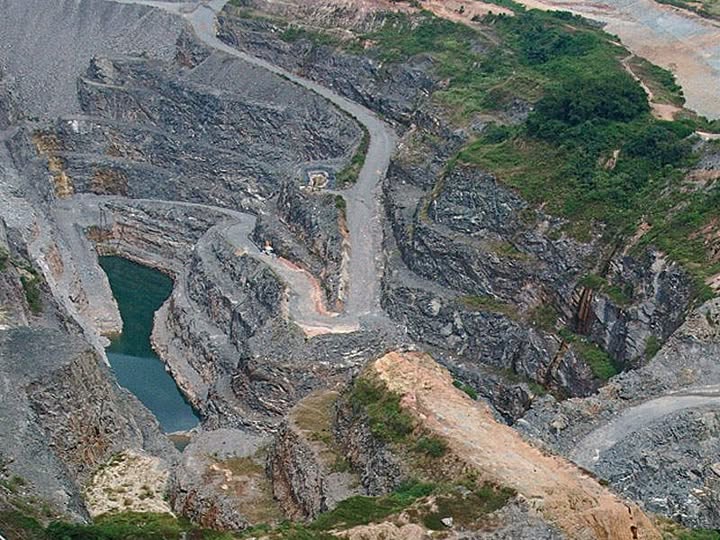
By embedding this mutual accountability into its foundational business model, the operation has proved that eliminating severe occupational hazards is entirely achievable within large-scale African mining architectures.
Setting the Standard for West African Extractive Operations
The remarkable safety records established at the site offer vital operational lessons that are highly worth emulating by other mining companies operating within the sub-region.
Across many developing mining jurisdictions, standard operational frameworks are frequently plagued by frequent downtime, regulatory fines, and tragic accidents that severely disrupt supply chains and damage investor confidence.
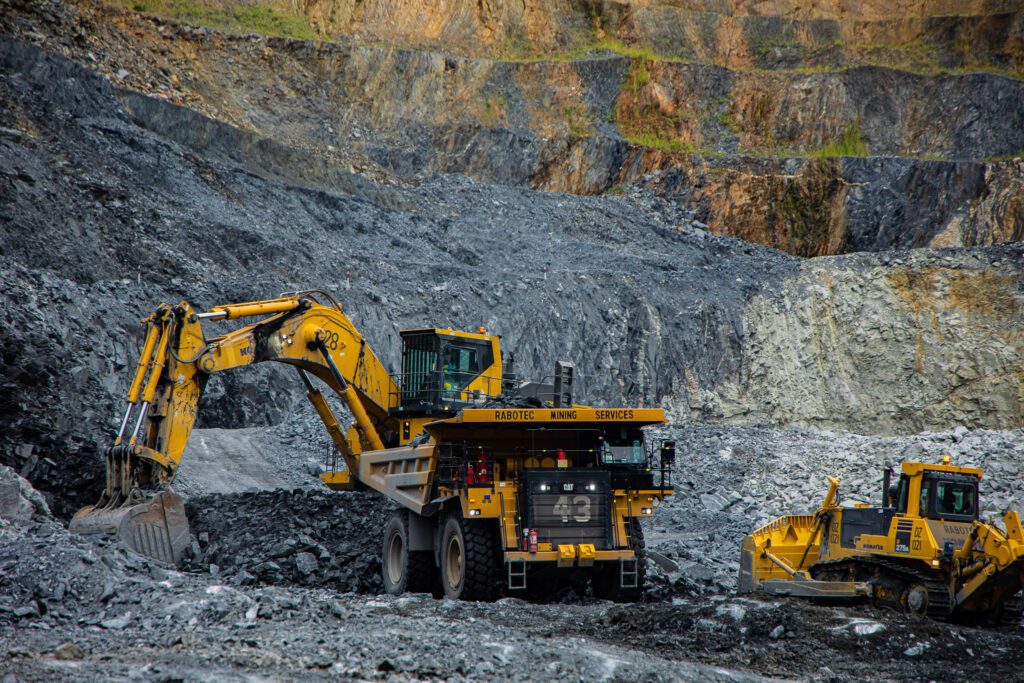
By showcasing that a major gold-producing asset can thrive seamlessly for a decade without recording debilitating injuries, the operators provide clear empirical proof that high safety investments yield immense dividends in operational continuity and corporate reputation.
Embracing this responsible blueprint would allow competing firms to significantly reduce insurance liabilities, minimize legal disputes, and create a highly stable, motivated domestic workforce.
Forging Sustainable Paths in the Green Energy Transition
As the global extractive landscape undergoes a rapid structural realignment toward supporting the green energy transition, the demand for responsibly sourced industrial minerals has reached an unprecedented peak.
Modern international consumers and industrial manufacturing chains are increasingly demanding verifiable transparency regarding the human and ecological costs associated with raw material inputs.
The operational blueprint established over the past ten years provides a clear pathway for how mineral extraction can align with these modern sustainability mandates, ensuring that resource wealth does not come at the expense of human dignity.
This alignment is particularly critical as African nations seek to position themselves as reliable, ethical hubs for the strategic minerals required to fuel global electrification and clean technology deployment.

Ultimately, the milestone achieved at the Asanko Gold Mine proves that the long-term future of the extractives sector rests entirely on the industry’s capacity to build deeply rooted, resilient cultures of care and operational accountability.
Maintaining this relentless focus on zero harm over a ten-year operational lifecycle sets a high benchmark for what modern, responsible mining operations must look like in the 21st century.
As the sector looks toward navigating future economic and technological changes, this established framework will remain an invaluable guide for balancing commercial success with a profound commitment to human safety.
By proving that every single hour can be worked safely through shared corporate and individual vision, the mine has successfully written a definitive chapter on responsible mining execution.
READ ALSO: No More Belts, Shoes Removal at Accra Airport as GACL Introduces Upgraded Technology