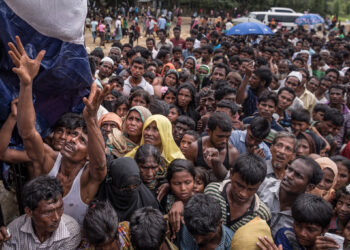
A new United Nations report has revealed that global hunger declined for the third consecutive year in 2025, but progress remains fragile, uneven and insufficient to achieve the Sustainable Development Goal of Zero Hunger by 2030
According to the latest edition of the State of Food Security and Nutrition in the World 2026 (SOFI 2026), 645 million people faced hunger in 2025. This represents 7.8% of the global population, down from 8.1% in 2024 and 8.6% in 2022.
The drop means that roughly 14 million fewer people were hungry than the previous year, and approximately 43 million less than three years ago.
Despite the optimistic trend, UN agencies warned that the globe is still far from meeting Sustainable Development Goal Two, which aims to eradicate hunger, establish food security, and enhance nutrition by the end of the decade.
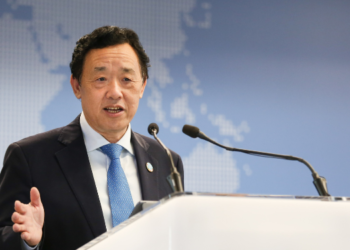
According to FAO Director-General Qu Dongyu , “the report shows that progress is possible,” however, he added that, “ending hunger and making healthy diets affordable requires political commitment, sustained investment and enabling policies.”
“Recent crises from natural disasters like the COVID-19 pandemic to man-made disaster like hotspots of conflicts, the war in Ukraine, the Gaza crisis, and the recent Strait of Hormuz disruption have demonstrated both the resilience of agrifood systems and the need to strengthen them further to better serve the world’s most vulnerable people, farmers and consumers.”
Qu Dongyu
While Asia and Latin America have continued to register steady improvements in food security, Africa has emerged as the region carrying the greatest burden of global hunger.
The report estimates that around 309 million Africans experienced hunger in 2025, overtaking Asia’s estimated 292 million hungry people. Although the proportion of Africans facing hunger declined slightly from 20.3% in 2024 to 20.0% in 2025 the continent’s rapidly growing population means the absolute number of people affected continues to rise.
It also reveal that more than half of Africa’s population 56.6 % experienced moderate or severe food insecurity during 2025. This compares with 20.3% in Asia, 22.9% in Latin America and the Caribbean, and just 8.7% across Northern America and Europe.
Across the globe, approximately 2.1 billion people experienced moderate or severe food insecurity in 2025, forcing many households to reduce either the quality or quantity of food they consumed.
Although this represents a significant improvement compared with previous years, the figure remains above pre-pandemic levels, underscoring the enduring effects of global crises on food systems.
The report warns that fresh geopolitical tensions could slow or even reverse recent gains. Updated projections indicate that between 510 million and 520 million people could still be living with hunger by 2030 because of the effects of the Middle East conflict on global food inflation, particularly through rising energy and fertiliser prices.
The projections do not yet account for additional disruptions from extreme weather events such as El Niño, meaning the eventual outlook could prove even more challenging.
IFAD President Alvaro Lario also indicated that, “SOFI tells us that the cost of a healthy diet continues to rise and that nearly 2.7 billion people may still be unable to afford a healthy diet.”
“Resilient value chains must be a central part of the answer. Our task now is to turn the evidence SOFI provides into investment – and to do so through partnership. Together, we can build the value chains, market systems and rural economies that make healthy food affordable for all.”
Alvaro Lario
Millions of Children at Risk as Global Food Crisis Persists
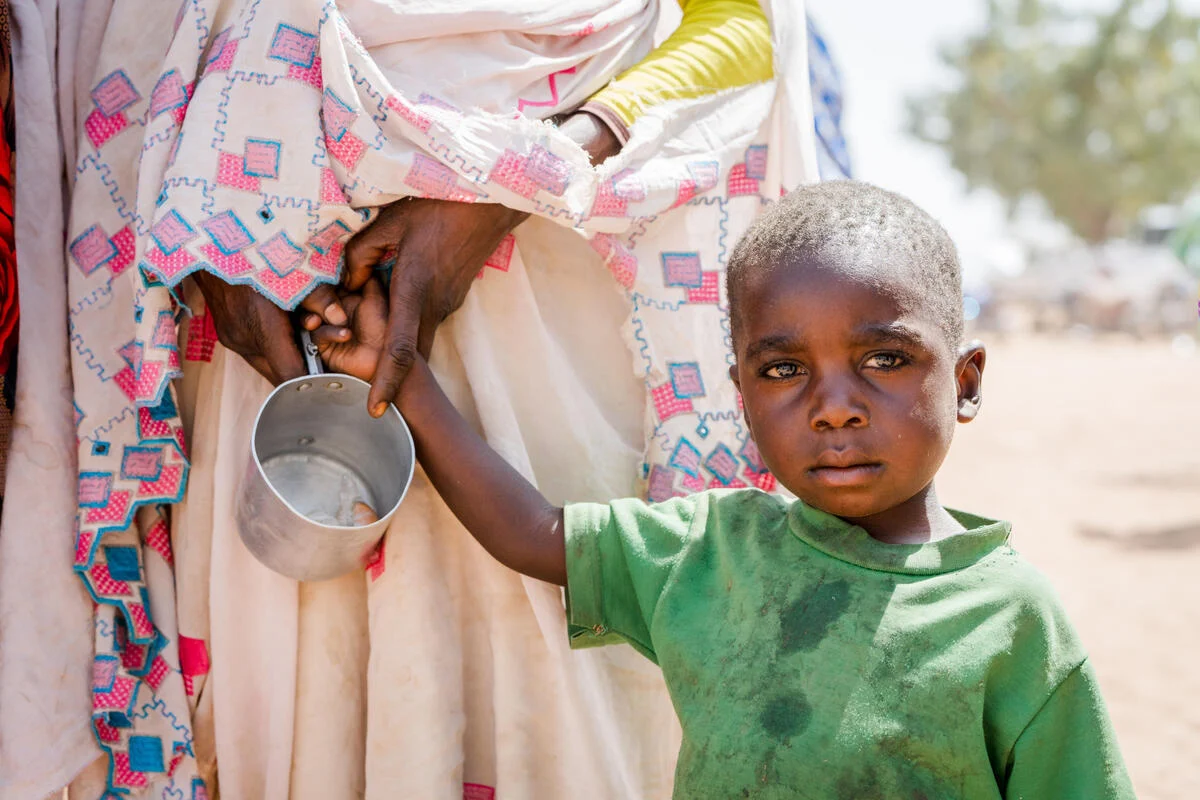
Meanwhile, despite years of global commitments, the report presents a concerning picture of global nutrition, demonstrating that millions of women and children still suffer from avoidable types of malnutrition.
The report states that just 30.8% of children between the ages of six and twenty-three months obtain a minimally diversified diet required for good growth and development, and that over 150 million children under the age of five are still stunted.
Progress in reducing child stunting and increasing exclusive breastfeeding has continued in several regions, but improvements remain too slow to meet internationally agreed nutrition targets by 2030.
At the same time, anaemia among women of reproductive age is worsening globally, while adult obesity continues to rise, climbing from 12.1 per cent in 2012 to 16.2 per cent in 2024.
According to UNICEF Executive Director Catherine Russell, “every child deserves the chance to grow and develop to their full potential, and this starts with access to nutritious, affordable food.”
“This report is a stark reminder that food systems fail millions of children and families. Food, health, education and social protection must go hand in hand to protect the most vulnerable children and women from global shocks.”
Catherine Russell
Another major concern highlighted in the report is the growing cost of eating healthily.I n 2025, the average daily cost of a good diet was 4.28 purchasing power parity dollars per person worldwide, following a recent rising trend.
Affordability is still a major problem in Africa, where two-thirds of the population cannot afford nutritious meals, even if the number of people unable to afford a decent diet has decreased to 2.69 billion worldwide.
The report attributes much of the cost increase to inefficiencies throughout agrifood value chains. Processing, transport, logistics and wholesale activities account for between 70 and 75% of the prices consumers ultimately pay, particularly for nutrient-rich foods such as fruits, vegetables and animal-source products.
World Food Program Acting Executive Director Carl Skau warned that behind every statistic are households struggling to feed themselves amid worsening crises.
“We must continue working with partner agencies, governments and communities to build food systems that hold up under shock, so families can afford nutritious diets, even in times of crisis. We now need sustained investment to match the scale of the challenge.”
Carl Skau
According to the report, investments in cold-chain systems, irrigation, agricultural infrastructure, research, innovation, and more effective food value chains are necessary to lower the cost of nutritious meals.
READ ALSO: Lithium: Accelerating EV Battery Retirements Drive Improving Capacity Utilization Rates