Ghana’s Ministry of Health has moved to calm growing public anxiety after a fabricated report attributed to South Africa’s SABC news channel claimed the country was grappling with thousands of Ebola cases, insisting no such outbreak exists within its borders.
In a press release issued through its Public Relations Unit, the Ministry said it had taken notice of the false publication spreading across social media, which alleged that Ghana’s Ebola cases had risen to 2,300 with 930 deaths, figures the Ministry dismissed outright as fabricated.
The statement was unambiguous in its rebuttal, with the Ministry stating that Ghana has not recorded a single case of Ebola Virus Disease and describing the figures attributed to SABC as both false and misleading.
“The news being circulated are false, misleading, and should be disregarded.”
Ministry of Health
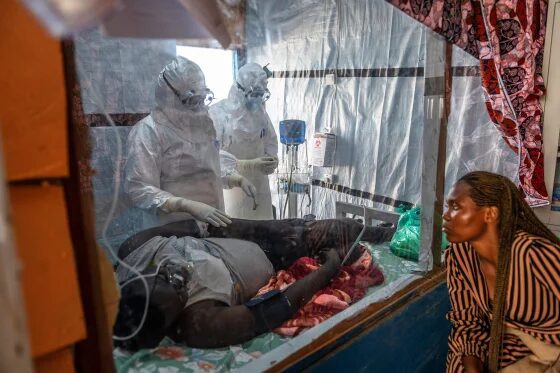
Officials said the claim appeared designed to alarm the public at a time when no outbreak has been confirmed anywhere in the country, and urged Ghanaians as well as citizens of other African nations who may have encountered the report to treat it with suspicion rather than alarm.
Minister’s Recent Visits Explained
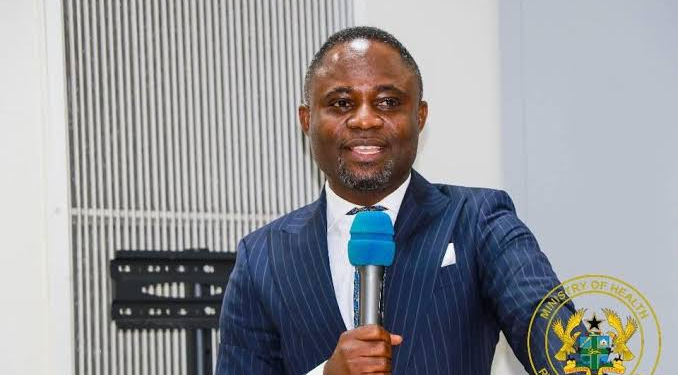
Much of the concern behind the viral claim appears to stem from recent visits made by Health Minister Kwabena Mintah Akandoh to various health facilities, including points of entry, laboratories and treatment centres across the country. The Ministry clarified that these visits were part of Ghana’s routine preparedness activities rather than a response to any confirmed threat.
According to the statement, the inspections were intended to strengthen the country’s readiness to prevent and respond to any potential public health emergency, a standard practice rather than an indication that an outbreak had already taken hold.
“These proactive measures do not indicate an Ebola outbreak in Ghana.”
Ministry of Health
The clarification appears aimed squarely at dispelling any link the public might have drawn between the minister’s facility visits and the unverified figures being shared online, framing the two as entirely unrelated developments that were conflated in the false report.
Public Urged to Rely on Official Channels
Beyond addressing the specific claim, the Ministry used the release to issue a broader caution to the public about the dangers of circulating unverified health information, particularly reports capable of triggering widespread fear.
The statement called on citizens to source health-related updates exclusively from the Ministry of Health and the Ghana Health Service, warning that sharing unconfirmed reports risks generating unnecessary panic among the population.
The Ministry did not indicate whether it intended to pursue any formal action against those responsible for originating or spreading the false publication, though the swift and pointed nature of the rebuttal suggests officials view the matter as a serious threat to public confidence rather than a minor rumour.
Wider Pattern of Health Misinformation
The incident adds to a growing list of instances in which fabricated health reports have spread rapidly across social media platforms in Ghana and other African countries, often outpacing the ability of health authorities to respond before the claims reach a wide audience.
Public health officials have repeatedly flagged misinformation as a persistent challenge to effective health communication, particularly around infectious diseases where fear can spread faster than facts. The false Ebola claim follows a familiar pattern in which unverified figures, sometimes attributed to legitimate-sounding international media outlets, are used to lend false credibility to fabricated statistics.
By naming SABC directly and refuting the specific numbers attached to the claim, the Ministry appears to be taking a more assertive approach to correcting the record than in some past instances, aiming to shut down the narrative before it gains further traction.
No Outbreak Confirmed, Ministry Reiterates
The release closed by reaffirming the Ministry’s central message: that Ghana remains free of any confirmed Ebola Virus Disease case, and that the country’s health authorities continue routine surveillance and preparedness work as a standard, ongoing practice rather than a response to an emerging crisis.

The statement was issued by Isaac Ofei Baah of the Ministry’s Public Relations Unit, who has been named as the point of contact for further clarification on the matter.
As of the time of the release, no other health authority, including the Ghana Health Service or regional public health bodies, had issued a competing account of the situation, leaving the Ministry’s rebuttal as the definitive position on the false claims currently circulating online.
READ MORE: Africa Leaders must Prioritise Domestic Health Financing and Universal Coverage