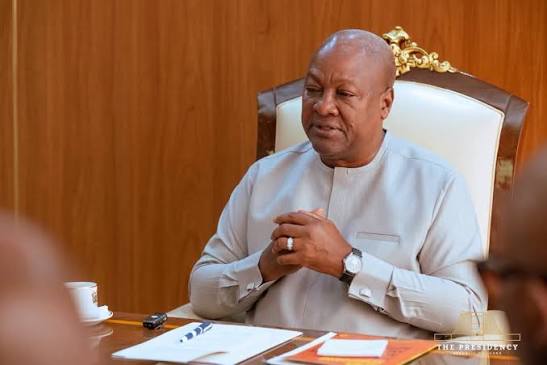
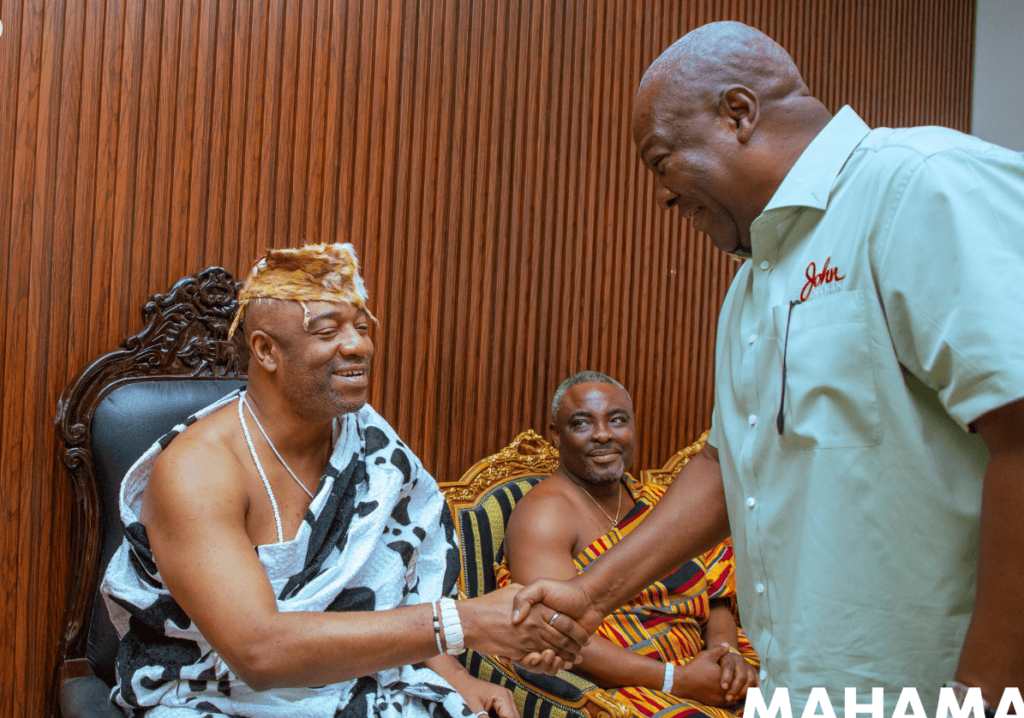
President John Dramani Mahama appealed to the Greater Accra Regional House of Chiefs to stop permitting or supporting the allocation of lands on waterways, wetlands, drainage reserves, buffer zones and other flood-prone areas, speaking during a courtesy visit to the Presidency, Jubilee House on July 21, 2026.
The President’s appeal came as he addressed the aftermath of recent flooding that struck Accra and other parts of the country, calling for stronger collaboration between traditional authorities and government to prevent future disasters.
“The recent flooding in Accra and other parts of the country resulted in several deaths, displacement, and serious hardship. I extend my condolences to the bereaved families and my sympathy to all persons who were affected,”.
President John Dramani Mahama
The President outlined steps government has taken in response to the flooding, including the relaunch of National Sanitation Day and strengthened drainage interventions in flood-prone communities. He reported that more than 50 kilometres of drains have already been desilted, while work under the GARID Project continues to progress in the Odaw Basin.
Chiefs Urged to Champion Sanitation Efforts
President Mahama called on the assembled chiefs to help sustain these gains by taking an active role in championing sanitation and discouraging development on waterways and wetlands within their jurisdictions.
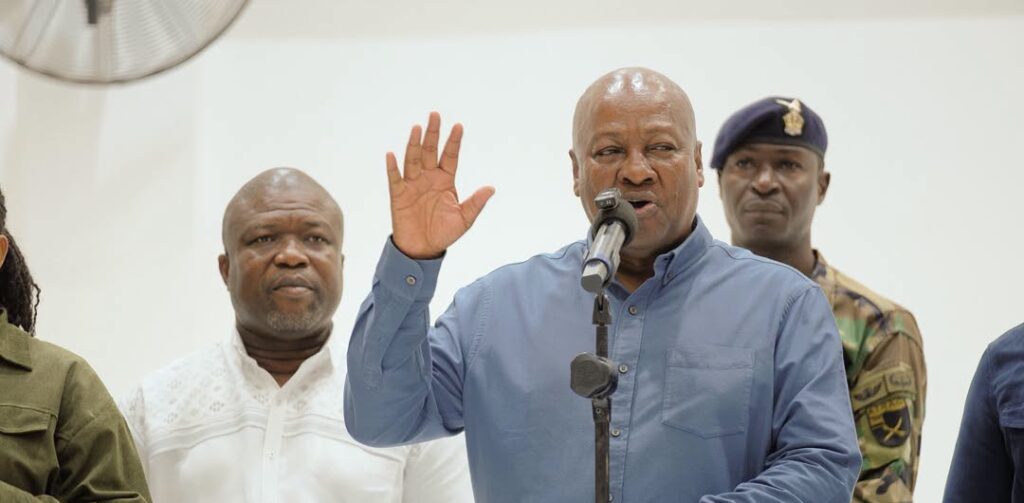
“I call on our Chiefs to help sustain these gains by championing sanitation and preventing development on waterways and wetlands,” he said. The President was direct in explaining that Ghana’s flooding crisis cannot be attributed to rainfall alone, pointing instead to a combination of human actions that worsen the impact of heavy rains whenever they occur.
“The problem of flooding is not caused by rainfall alone. It is worsened when we block drains, when we develop over waterways, and when we build on wetlands. It is worsened by poor waste disposal, weak enforcement, and rapid urbanisation”.
President John Dramani Mahama
President Mahama assured the chiefs that the government would continue providing relief to those affected by flooding while simultaneously pursuing longer-term structural solutions to address the root causes of the problem.
“Government will continue relief efforts while pursuing lasting solutions. These include all-year-round desilting and expansion of drains, reopening waterways, restoring wetlands, improving waste collection, and enforcing planning and sanitation laws”.
President John Dramani Mahama
A Call for Institutional Collaboration
The President emphasised that solving Ghana’s flooding crisis requires coordinated action across multiple institutions rather than efforts confined to any single agency. He named several bodies whose cooperation he considers essential to achieving lasting progress.
President Mahama stressed that infrastructure improvements, while necessary, cannot on their own resolve the underlying causes of Ghana’s recurring flood disasters. He argued that responsible land administration and consistent law enforcement must accompany any engineering-based interventions.
“”The Assemblies, Drainage and Road Agencies, NADMO, Security Services, Waste Management Companies, and Traditional Authorities must work together. Engineering works alone will not solve the problem. We also need responsible land administration, good sanitation practices, and firm enforcement of the law”.
President John Dramani Mahama
Direct Appeal to Traditional Authorities
Closing his remarks on the subject, the President made a direct and specific appeal to the traditional leaders present, using customary greetings to address them personally, calling on them to refuse any allocation of land within areas vulnerable to flooding.
“I therefore appeal to Niimee and Naamee not to permit or support the allocation of lands in waterways, on wetlands, drainage reserves, buffer zones, or other flood-prone areas”.
President John Dramani Mahama
President Mahama’s appeal reflects a broader government strategy that positions traditional authorities as essential partners in addressing Ghana’s flooding challenges, particularly given the significant influence chiefs hold over land allocation decisions within their communities.
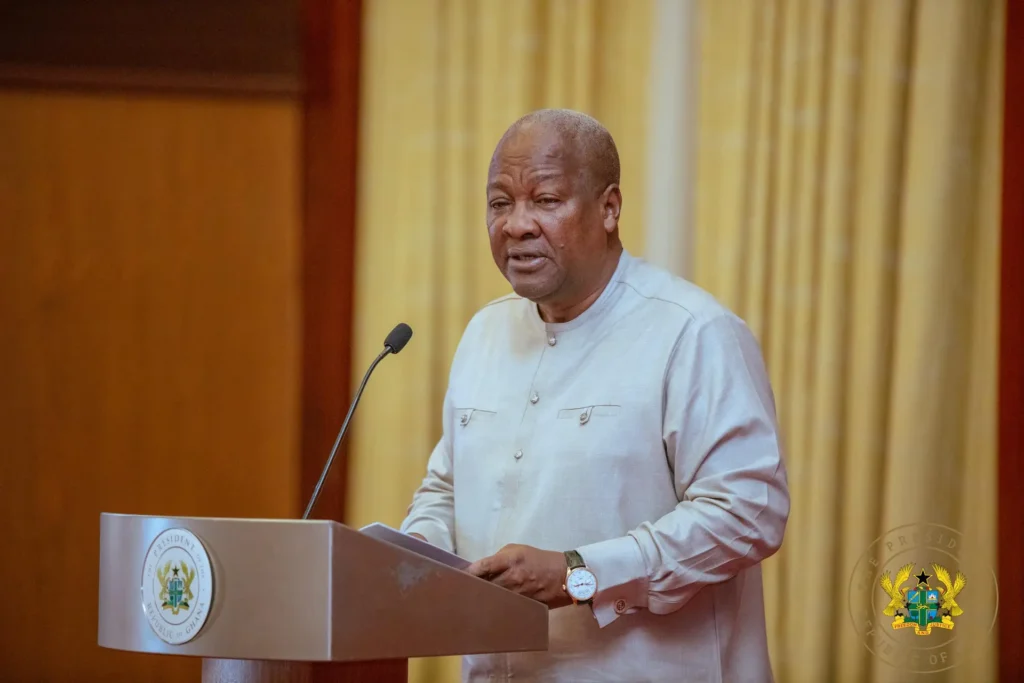
By directly engaging the Greater Accra Regional House of Chiefs on this issue, the President signalled that government views sustainable flood prevention as a responsibility that extends beyond state institutions alone, requiring active cooperation from customary landowners and traditional leadership structures that have historically overseen land distribution across the region.
As government continues its combination of relief efforts and structural interventions, including ongoing drainage desilting and the ongoing GARID Project work in the Odaw Basin, the President’s direct appeal to chiefs adds a customary governance dimension to what has largely been framed as an engineering and infrastructure challenge, underscoring the interconnected nature of land use, traditional authority and disaster prevention in Ghana’s capital region.
READ ALSO: Gov’t Secures $250,000 from Gold Council to Facilitate Mining Practices