Ghana’s efforts to build a highly skilled indigenous workforce for the upstream petroleum industry have come under renewed scrutiny after the Auditor-General found that a flagship training programme designed to equip thousands of Ghanaians with specialised oil and gas expertise achieved only a fraction of its intended target.
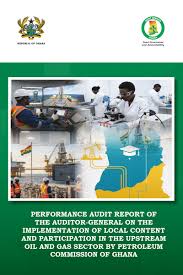
The findings, contained in the Auditor-General’s performance audit of the Petroleum Commission’s implementation of the Petroleum (Local Content and Local Participation) Regulations, 2013 (L.I. 2204), reveal that the Accelerated Oil and Gas Capacity (AOGC) Programme trained just 174 beneficiaries against a target of 6,000, raising concerns over the pace of human capital development in Ghana’s petroleum sector.
The audit warns that unless capacity-building programmes are adequately financed and implemented, Ghana risks slowing the development of the skilled local workforce required to support increasing indigenous participation across the country’s upstream petroleum value chain.
The findings come at a time when policymakers continue to emphasise local content as a key pillar of ensuring that Ghana derives long-term economic benefits from its petroleum resources beyond royalties and taxes.
Skills Gap Persists
Developing specialised technical skills has long been recognised as one of the most important pillars of Ghana’s local content policy.
The Local Content Regulations seek to ensure that Ghanaians increasingly occupy technical, managerial and professional positions within the petroleum industry while reducing dependence on expatriate expertise over time.
To support that objective, the Petroleum Commission introduced the Accelerated Oil and Gas Capacity Programme to train thousands of Ghanaians in specialised disciplines relevant to the upstream industry.
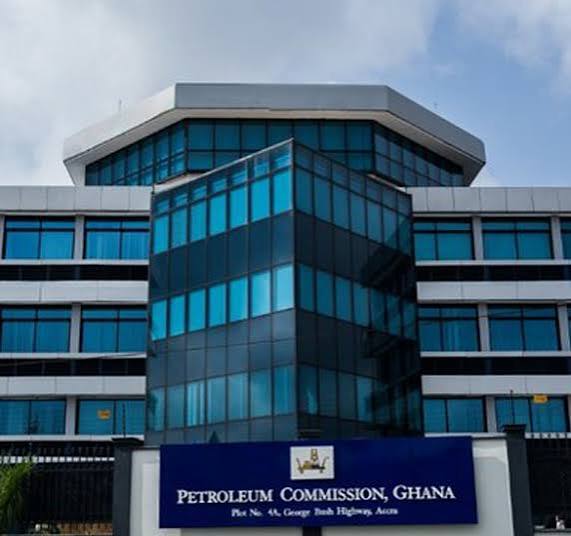
However, according to the Auditor-General, implementation fell significantly below expectations.
The audit found that only 174 individuals benefited from the programme instead of the planned 6,000 trainees, representing a small proportion of the original target.
The report noted that the shortfall undermines efforts to strengthen Ghana’s technical capacity within the petroleum sector and could affect the long-term implementation of local content objectives.
Funding Constraints Identified
The Petroleum Commission attributed the programme’s poor performance largely to funding limitations.
According to management’s response contained in the audit report, inadequate financial resources made it difficult to implement the programme at the intended scale, significantly reducing the number of beneficiaries who could be trained.
Management explained that funding constraints affected the implementation of the Accelerated Oil and Gas Capacity Programme.
The Auditor-General noted in capturing the Commission’s response
The explanation highlights a broader challenge confronting local content implementation, where ambitious policy objectives often compete with limited financial resources.
Industry analysts have repeatedly argued that building a competitive indigenous petroleum workforce requires sustained investment in education, specialised technical training, professional certification and industry partnerships.
Without consistent funding, they warn, Ghana may struggle to produce the skilled professionals needed to support increasing localisation within the sector.
Human Capital Remains Central
The Auditor-General stressed that strengthening human resource capacity remains essential to achieving the objectives of the Local Content Regulations.
The report recommends that the Petroleum Commission develop measures to improve implementation of the programme while exploring sustainable funding arrangements capable of supporting larger numbers of beneficiaries.

The recommendation reflects the understanding that local content extends beyond awarding contracts to indigenous companies.
Developing engineers, geoscientists, project managers, technicians, health and safety professionals and other specialists is equally important if Ghanaians are to assume increasingly complex roles throughout the petroleum value chain.
Without a steady pipeline of qualified professionals, local companies may continue to rely heavily on foreign technical expertise despite existing regulatory requirements promoting localisation.
Growing Demand for Skilled Professionals
The findings come as Ghana continues efforts to stimulate upstream investment and increase petroleum production.
Government has recently announced plans aimed at reversing declining crude oil output, encouraging fresh exploration activity and attracting new investment into the upstream sector.
Should exploration and production activities expand in the coming years, demand for skilled Ghanaian professionals is also expected to rise.
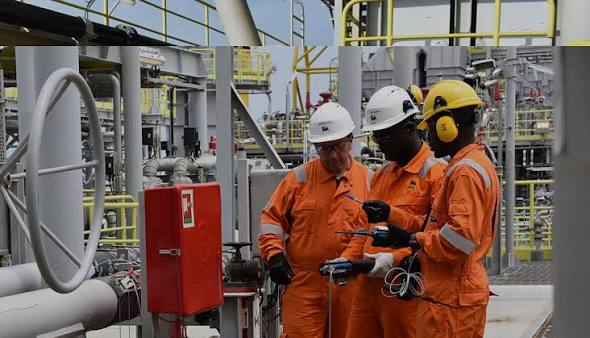
That makes the effectiveness of capacity-building initiatives increasingly important.
Training programmes such as the AOGC initiative were designed to ensure that Ghanaian professionals are adequately prepared to seize emerging opportunities created by future petroleum developments rather than leaving those positions largely to expatriate workers.
The Auditor-General’s findings therefore raise broader questions about whether existing institutional arrangements are sufficient to meet the industry’s future human resource requirements.
Commission Assures Improvement
While acknowledging the programme’s underperformance, the Petroleum Commission indicated that it remained committed to strengthening capacity-building initiatives.
Management informed the auditors that efforts would continue to secure the resources required to improve implementation and expand the programme’s reach.
The Commission’s response suggests that funding remains the principal obstacle rather than the absence of institutional commitment.
Even so, the Auditor-General maintained that addressing implementation challenges would be essential if the programme is to fulfil its original mandate.
Beyond Numbers
The significance of the audit extends beyond the numerical gap between the target and actual beneficiaries.
Local content policies ultimately depend on the availability of competent Ghanaian professionals capable of occupying specialised technical and leadership positions across the petroleum industry.
Failure to adequately develop that talent pool could slow technology transfer, weaken indigenous participation and limit the country’s ability to maximise long-term value from its petroleum resources.
As Ghana seeks to strengthen local participation while positioning itself as a competitive petroleum investment destination, the findings reinforce the need for stronger investment in human capital alongside regulatory reforms.
The Auditor-General’s assessment suggests that closing Ghana’s petroleum skills gap will require not only ambitious targets but sustained financing, improved implementation and stronger collaboration between regulators, industry and training institutions to ensure that local professionals are equipped to drive the sector’s future growth.
READ ALSO: Parliament Approves $300 Million to Finance Secondary Education