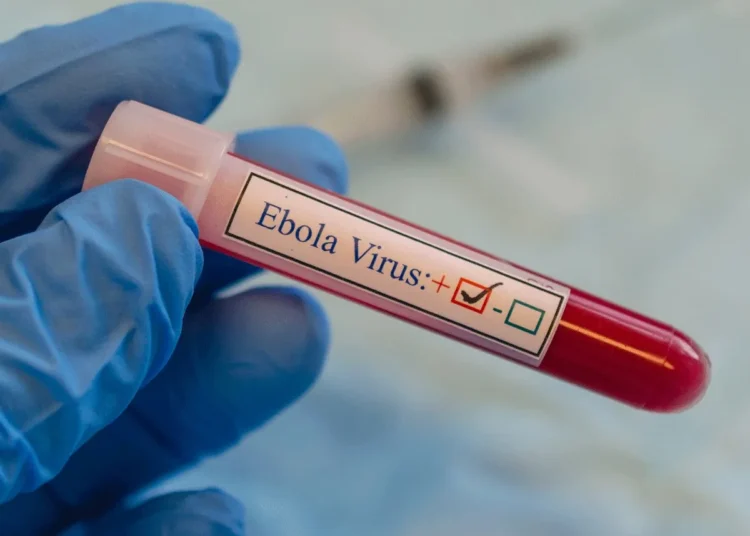
DR Congo Ebola Cases have climbed to 2,473, with the death toll nearing 1,000 as the Ebola outbreak continues to worsen in the Democratic Republic of Congo
According to the most recent data from the nation’s public health institute, 50 new infections were found in the provinces of Ituri and North Kivu, and 999 people have died as a result of the outbreak.
World Health Organization (WHO) has labelled the current outbreak as the fastest-growing Ebola outbreak ever recorded in the Democratic Republic of Congo, with the disease spreading across five provinces in the country’s east.
Ituri province is the core of the crisis, accounting for more than 90% of verified cases and about 80% of reported deaths, according to WHO Incident Manager Dr. Thierno Baldé.
In addition to Ituri, Ebola cases have been reported in the provinces of North Kivu, South Kivu, Haut-Uele, and Tshopo. This has complicated the emergency response situation in an area already plagued by years of violent conflict and humanitarian instability.
Dr. Baldé clarified that the virus can spread more readily because of persistent violence, highly mobile communities, and frequent migration.
The eastern provinces affected by Ebola are among the most fragile areas of the Democratic Republic of Congo, where armed groups continue to operate and many communities face insecurity that limits access to healthcare services.
“Let’s be very clear, this outbreak remains ahead of us and we are still in the phase of catching up.”
Dr. Thierno Baldé
According to the WHO official, response teams are modifying their tactics to address the unique difficulties of each impacted area.
Priorities include enhancing clinical care capacity in areas where active transmission is occurring, expanding safe and dignified burial services, and improving referral systems.
On May 15, the Ebola epidemic was formally proclaimed in the eastern Democratic Republic of the Congo, signalling the start of what medical experts call an unprecedented public health emergency. The Bundibugyo virus variety, a less frequent strain for which there is presently no licensed vaccine or particular treatment, is the cause of this crisis, in contrast to earlier Ebola outbreaks.
The virus was first identified during an outbreak in Uganda in 2007 and later appeared in the Democratic Republic of Congo in 2012. Historical data show that the strain killed around 30% of infected people during previous outbreaks.
The disease frequently presents with symptoms comparable to influenza, such as fever, weakness, and exhaustion, making early detection challenging. In severe situations, Ebola can progress to a life-threatening sickness with internal and external bleeding, with mortality rates approaching 40%.
For populations already battling with poverty, displacement, and inadequate healthcare access, the outbreak adds to an already difficult situation in a region plagued by several crises.
Eastern Congo Faces Dual Crisis of Conflict and Ebola Spread
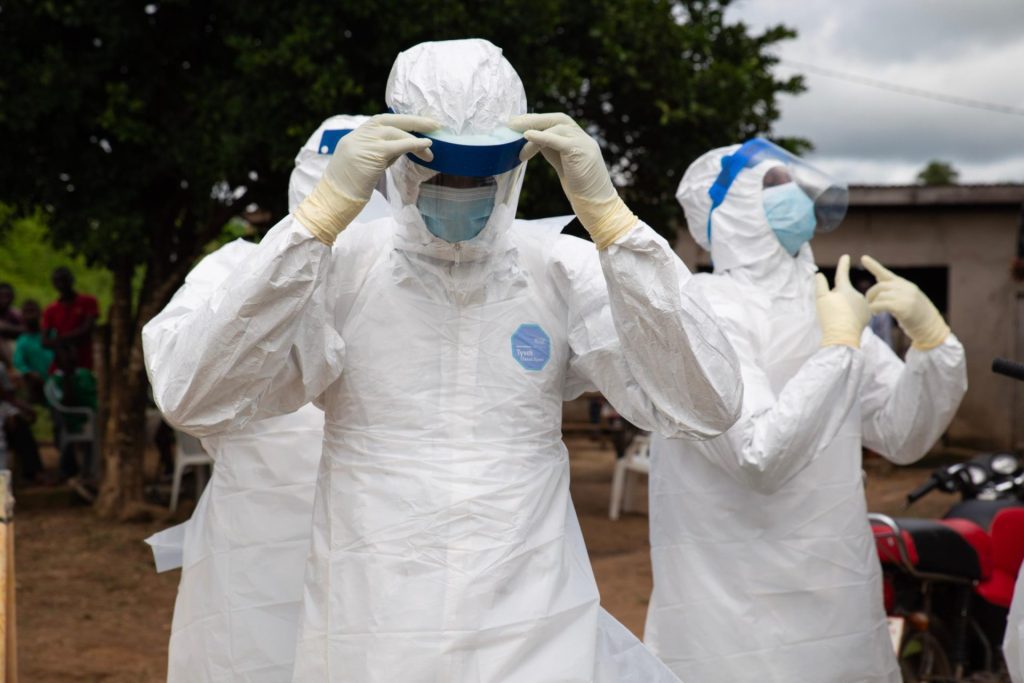
As infections continue to emerge, WHO teams are expanding emergency operations across eastern DRC, focusing on rapid detection, contact tracing, community engagement and preventing further chains of transmission.
Dr. Baldé stated that recent efforts in some regions have yielded good results, particularly in Mongbwalu, where the outbreak was first diagnosed, and Goma, North Kivu province.
WHO has also deployed rapid response teams to areas at risk of further spread. In Kisangani, located in Tshopo province, authorities have so far recorded no secondary transmission after cases were imported from Ituri.
“Currently, all five cases are imported from Ituri province. We intend to roll out a similar rapid response plan in Katwa, Butembo and other emerging areas.”
Dr. Thierno Baldé
Dr. Baldé explained that, “to tackle any chains of transmission, the UN health agency is also working on a new project which aims to reinforce control measures through the River Congo.”
Community cooperation remains a central element of the response. WHO teams have been working with local leaders and residents to encourage early reporting of symptoms, acceptance of treatment and participation in contact monitoring.
“The main strategy is to implement a very strong, very effective and very timely response to contain the affected areas by identifying, by doing in-depth investigation of the cases, listing and following all of the contacts.”
Dr. Thierno Baldé
However, health workers continue to face significant obstacles. Insecurity in eastern Congo has repeatedly disrupted humanitarian operations, making it difficult for medical teams to reach some communities and provide timely care.
The combination of armed conflict, displacement and fear of health facilities has complicated efforts to isolate cases and prevent further infections.
The WHO has stressed that controlling the outbreak will require sustained international support and close cooperation with affected communities.
While recent stabilisation signals in some locations provide hope, health officials caution that the outbreak remains far from over.
The continued rise in cases and deaths demonstrates the need for urgent action as responders work to prevent Ebola from spreading further across eastern Congo and beyond.
For millions of people living in the affected provinces, the battle against Ebola is unfolding alongside another struggle survival in communities already burdened by insecurity and humanitarian hardship.
READ ALSO: Ghana, Sudan Forge Responsible Gold Governance Partnership