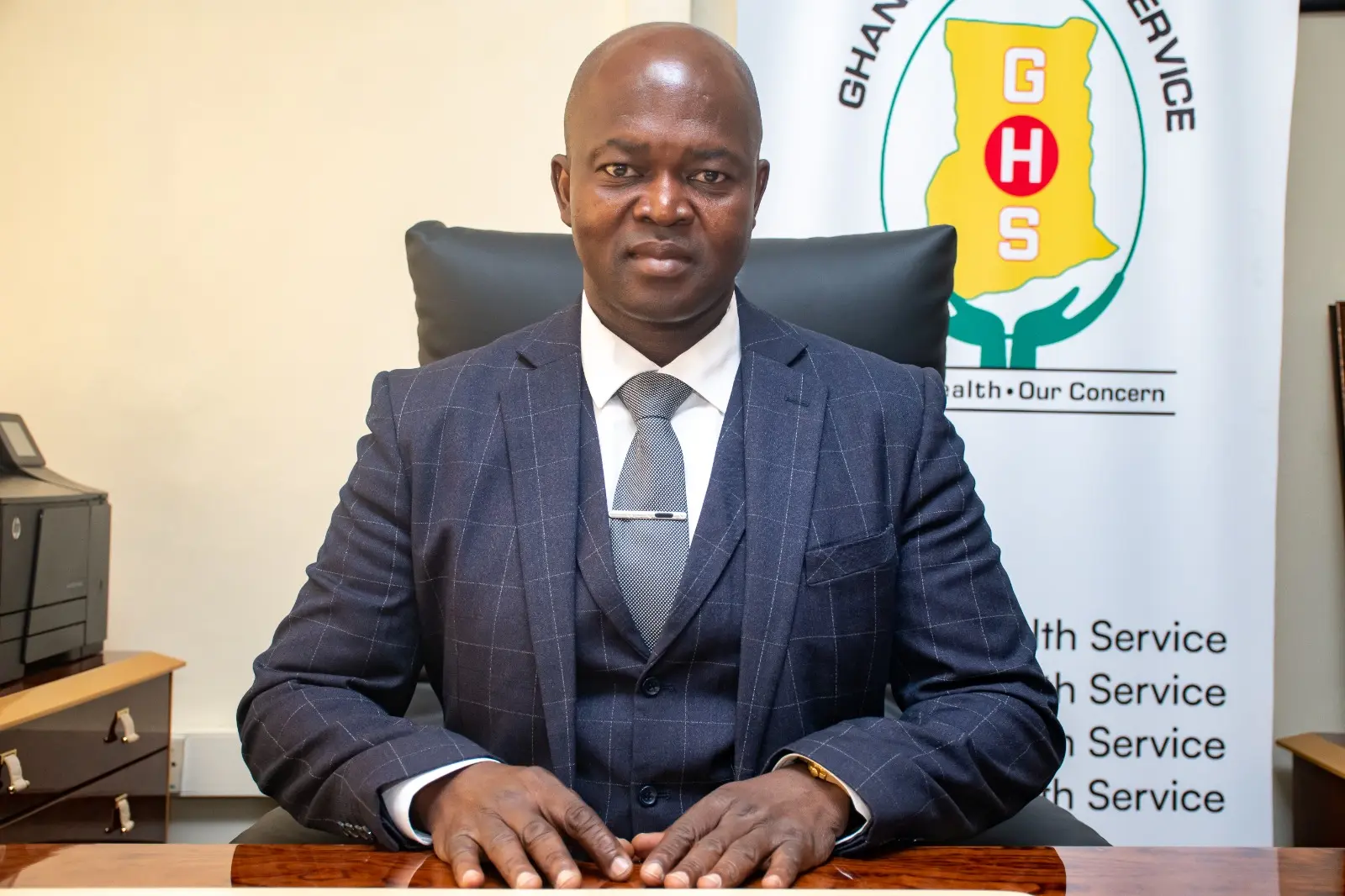
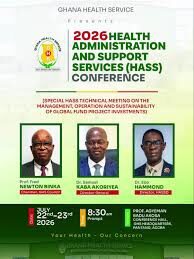
The Director-General of the Ghana Health Service (GHS), Professor Samuel Kaba Akoriyea, has called on health administrators across the country to embrace stronger leadership, teamwork and accountability to drive ongoing reforms within Ghana’s health sector, stressing that effective administration remains essential to improving healthcare delivery and sustaining investments made in the health system.
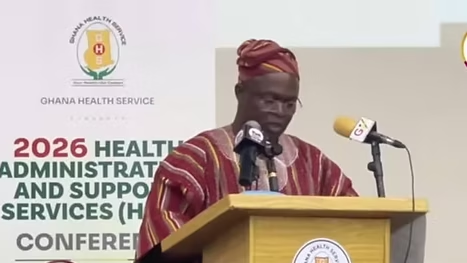
Addressing participants at the Health Administration and Support Services (HASS) Conference, Prof. Akoriyea congratulated health administrators for their dedication to supporting frontline healthcare delivery while urging them to move beyond routine management by ensuring staff have the resources they need, public assets are protected and healthcare facilities operate efficiently to inspire confidence among workers and patients alike.
He noted that while healthcare workers often receive public recognition for clinical services, administrators remain the backbone of the health system by ensuring hospitals and health facilities have the logistics, infrastructure and operational systems required to deliver quality care.
“Effective healthcare extends beyond clinical services. Strong leadership, sound administration and prudent management of public resources are essential to delivering quality healthcare.”
Director-General of the Ghana Health Service (GHS), Professor Samuel Kaba Akoriyea,
According to him, administrators must continually assess whether staff have the necessary tools to perform effectively, whether public assets are adequately protected and whether the working environment encourages confidence and productivity.

He stressed that addressing these operational questions remains fundamental to improving health outcomes across the country.
Leadership Requires Visibility, Not Office Management
The Director-General futher challenged administrators to adopt a more proactive leadership style by becoming directly involved in the day-to-day operations of their facilities.
Rather than relying solely on written reports, he urged managers to conduct regular inspections of every aspect of their institutions, including wards, theatres, offices, staff accommodation, sanitation facilities, vehicles and utility systems.
Prof. Akoriyea explained that effective leaders should possess first-hand knowledge of the operational conditions within their facilities to make informed decisions and promptly address emerging challenges.
“Leadership requires visibility. Administrators must know first-hand what is happening in their facilities rather than relying solely on written reports.”
Professor Samuel Kaba Akoriyea,
He noted that visible leadership strengthens accountability while enabling administrators to identify maintenance needs before they develop into costly institutional problems.
Support Staff Shortages Affect Service Delivery
While acknowledging the commitment of health administrators across the country, Prof. Akoriyea recognised that many continue to work under difficult conditions due to inadequate recruitment of support staff in recent years.
He said administrators have carried enormous responsibilities despite staffing limitations and expressed appreciation for their resilience in ensuring that health facilities continue operating effectively.
According to him, strengthening administrative support structures remains essential to enhancing efficiency throughout Ghana’s healthcare system.
Prof. Akoriyea assured participants that their concerns remain recognised as government continues implementing reforms aimed at strengthening health service delivery.
He warned that unhealthy competition, territorial disputes and role conflicts among administrators, clinicians, nurses, pharmacists, accountants, engineers, human resource managers and public health professionals weaken institutional effectiveness and ultimately affect patient care.
According to him, every professional group contributes unique expertise that complements the work of others, making collaboration indispensable to achieving quality healthcare.
He therefore called for greater respect for institutional mandates and strict adherence to established administrative and professional procedures across all levels of the Ghana Health Service.
Protecting Public Investments Must Become a Priority
Prof. Akoriyea also urged administrators to safeguard the significant investments government and development partners have made to strengthen Ghana’s health infrastructure.
He observed that substantial resources have been committed to expanding oxygen production plants, procuring medical equipment, providing vehicles, improving waste management systems and deploying information technology infrastructure throughout the country.
However, he cautioned that these investments can only deliver lasting value if they are properly maintained and utilised.
The Director-General argued that the true success of healthcare investments should be measured not by the number of assets procured but by their longevity, functionality and impact on healthcare delivery.
Maintenance Culture Essential for Sustainable Healthcare
Prof. Akoriyea urged health administrators to prioritise preventive maintenance rather than waiting until equipment breaks down before taking action.
He recommended assigning every public asset to a responsible officer while introducing structured maintenance schedules and routine performance monitoring systems.
According to him, poor maintenance practices continue to result in avoidable equipment failures and unnecessary replacement costs, placing additional pressure on limited public resources.
He stressed that cultivating a maintenance culture would significantly improve the lifespan of healthcare infrastructure while ensuring uninterrupted delivery of essential health services.

Conference Expected to Deliver Practical Solutions
He emphasised that the objective should not be merely to generate theoretical recommendations but to develop practical strategies that improve accountability, reinforce administrative systems and guarantee sustainable management of public health resources.
Prof. Akoriyea expressed confidence that the collective experience of administrators gathered at the conference would contribute meaningfully to ongoing reforms within the Ghana Health Service.
He urged participants to leave the meeting with clear implementation plans capable of improving operational efficiency across healthcare institutions.
Administrative Excellence Key to Health Sector Transformation
The Director-General’s address reinforced the growing recognition that effective healthcare extends beyond clinical services to include strong institutional leadership, sound governance and prudent management of public resources.
As Ghana continues implementing reforms aimed at strengthening its health sector, administrators are expected to play an increasingly strategic role in ensuring that health facilities remain adequately equipped, professionally managed and responsive to the needs of patients.
With renewed emphasis on teamwork, accountability, preventive maintenance and visible leadership, the Ghana Health Service is positioning administrative excellence as a cornerstone of efforts to build a resilient, efficient and sustainable healthcare system capable of delivering quality services to all Ghanaians.
READ MORE: No Visual Checks For Ghana Card Verification Under New Rules — Interior Minister