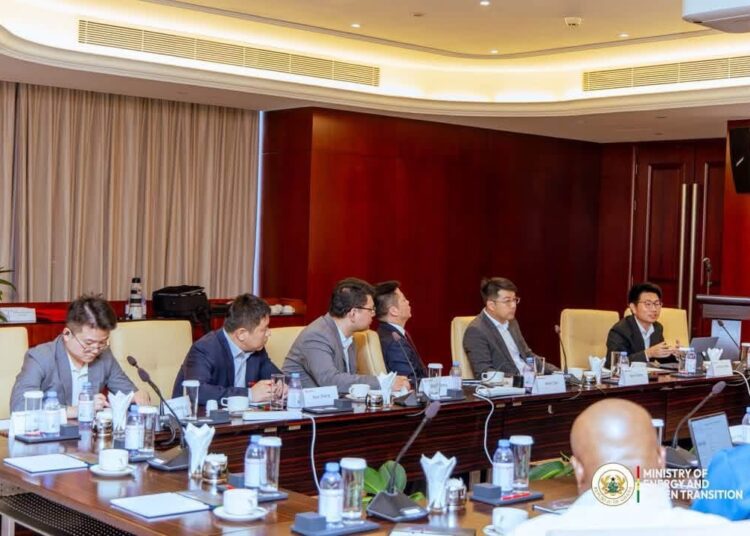
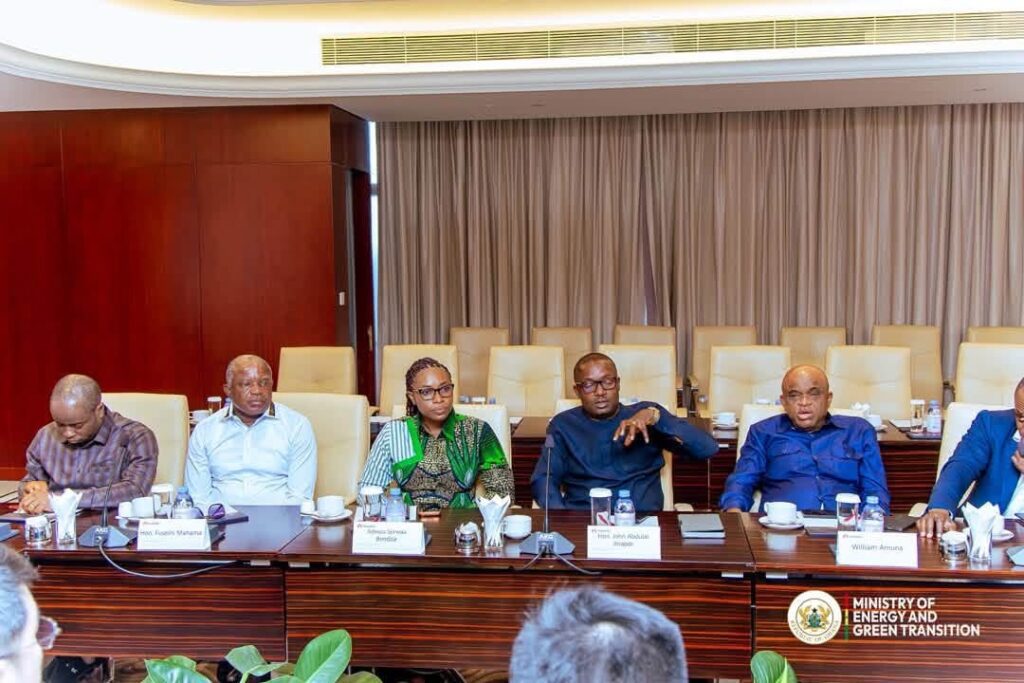
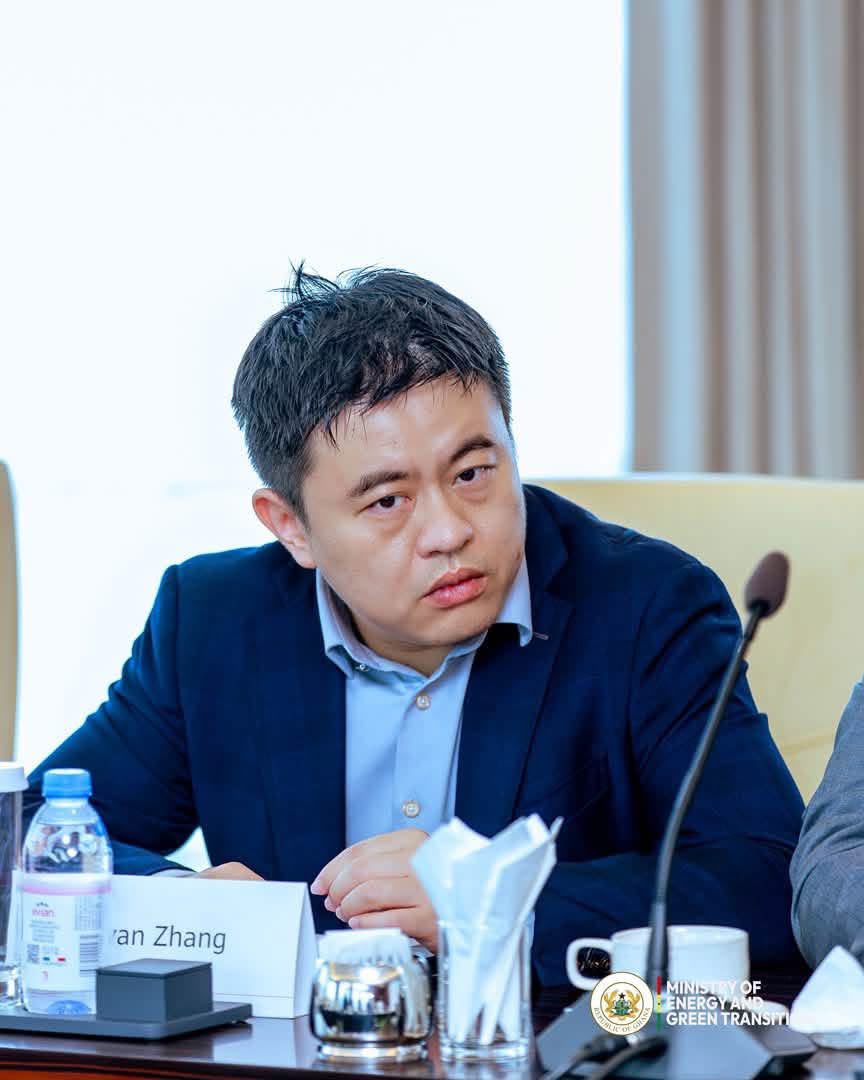
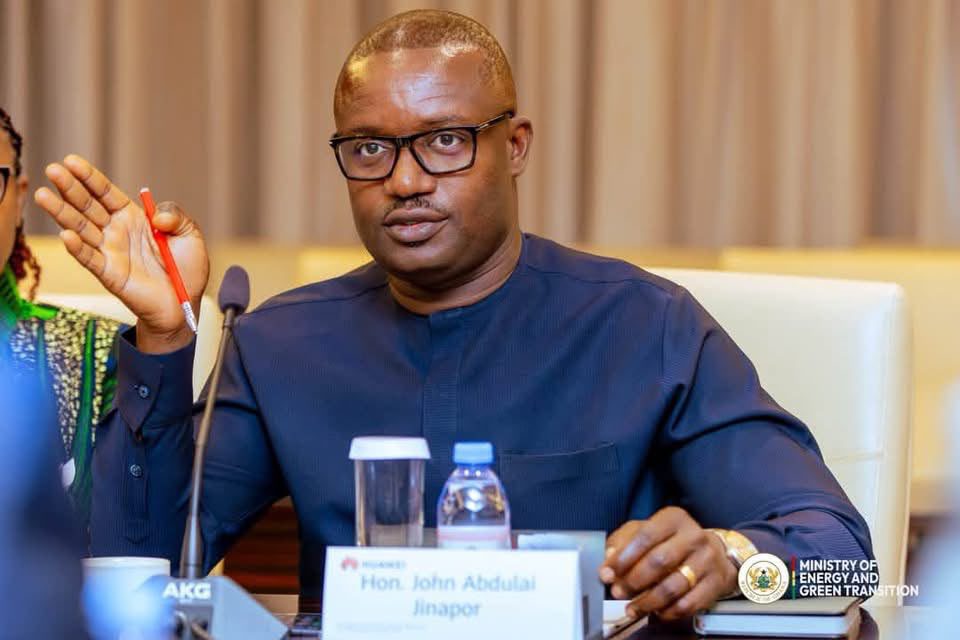
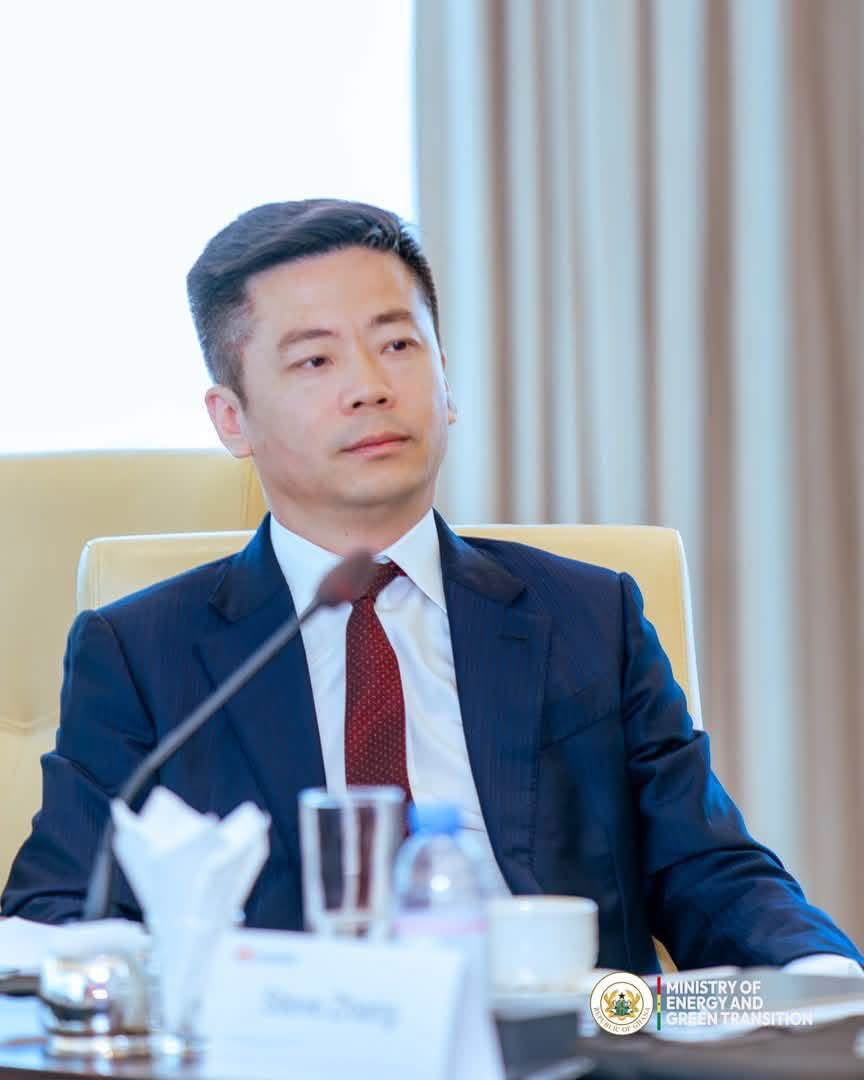
Ghana is stepping up efforts to modernise its energy sector through strategic engagement with global technology leaders, as the Minister for Energy and Green Transition, Dr. John Abdulai Jinapor, held high-level discussions with Chinese technology giant Huawei on potential areas of collaboration to support the country’s evolving power infrastructure.
The meeting, held during the Minister’s ongoing international working visit, forms part of a broader government strategy to leverage advanced digital technologies, smart energy systems and global expertise to strengthen Ghana’s electricity network and accelerate the country’s energy transition agenda.
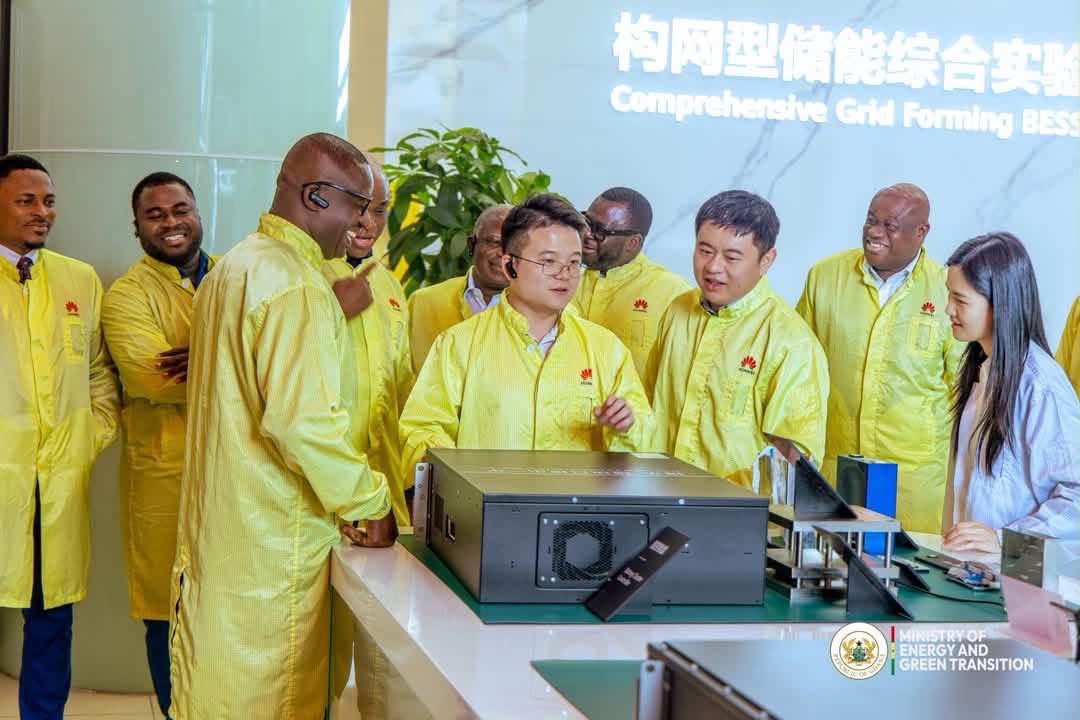
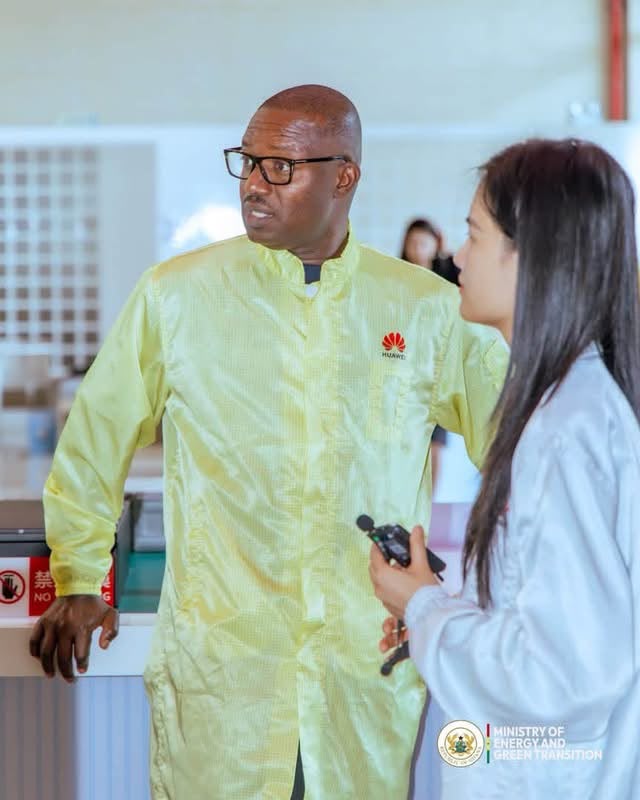
Beyond the bilateral discussions, Dr. Jinapor toured Huawei’s state-of-the-art facilities, gaining first-hand exposure to technologies that are increasingly shaping the future of electricity generation, transmission, storage and grid management across the world.
The engagement comes at a time when Ghana is pursuing significant investments in renewable energy, battery energy storage, transmission infrastructure and digitalisation, all aimed at improving electricity reliability while preparing the national grid for future energy demands.
As we actively pursue the modernisation of our energy sector, collaboration with global technology and power sector leaders remains paramount
Minister for Energy and Green Transition, Dr. John Abdulai Jinapor
Technology at the Centre of Energy Transition
While traditional electricity systems were largely built around generation and transmission infrastructure, the global energy landscape is increasingly being driven by digital technologies that improve efficiency, reliability and operational decision-making.
Artificial intelligence, cloud computing, digital monitoring platforms, predictive maintenance systems and smart grid technologies have become central to the operation of modern electricity networks, particularly as countries expand renewable energy generation.
For Ghana, the transition towards cleaner energy sources, including solar power and utility-scale battery storage, requires an equally significant investment in digital infrastructure capable of managing more complex electricity flows.
The Minister’s engagement with Huawei therefore reflects an understanding that the country’s energy transition will depend not only on building new power plants but also on deploying intelligent technologies capable of supporting a modern electricity system.
Supporting Ghana’s Grid Modernisation Agenda
The discussions align closely with government’s broader efforts to modernise the power sector through investments in transmission upgrades, battery energy storage systems, renewable energy deployment and electricity distribution infrastructure.
Recent policy initiatives have demonstrated increasing emphasis on strengthening grid resilience while improving operational efficiency across the electricity value chain.
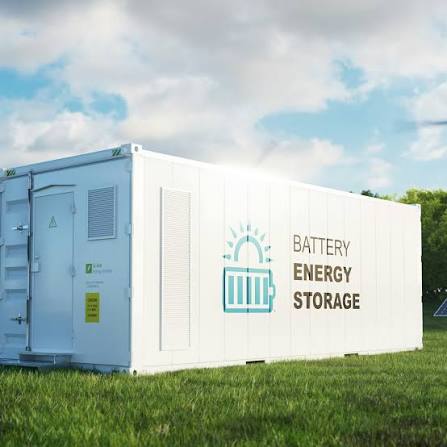
Government has already announced plans to deploy Ghana’s first 200-megawatt Battery Energy Storage System (BESS), expand renewable energy generation and upgrade critical transmission infrastructure to support growing electricity demand.
Digital technologies are expected to play a central role in integrating these investments into a more responsive and reliable electricity network.
Smart energy systems can improve fault detection, reduce technical losses, optimise electricity dispatch and enhance real-time monitoring of network performance, functions that become increasingly important as renewable energy penetration expands.
Learning from Global Technology Leaders
The Minister’s visit to Huawei’s facilities also highlights government’s growing emphasis on international benchmarking as part of energy sector reform.
Rather than relying solely on conventional procurement, Ghana is increasingly engaging technology providers to understand how advanced solutions are being deployed in mature electricity markets.
The hands-on tour provided an opportunity to observe operational systems and technological innovations that could inform future investments within Ghana’s energy sector.
Such engagements are becoming increasingly common among countries seeking to modernise electricity networks while improving energy security and operational resilience.
For policymakers, exposure to global best practices offers valuable insights into how emerging technologies can be adapted to local conditions while avoiding costly implementation challenges.
Digitalisation Reshaping Electricity Systems
Across the global power industry, digital transformation is becoming as important as physical infrastructure expansion.
Electricity utilities increasingly depend on sophisticated digital platforms to forecast demand, monitor equipment health, manage renewable energy integration and improve customer service.
Artificial intelligence is now being used to predict equipment failures before they occur, while digital control systems enable operators to respond more rapidly to fluctuations in electricity supply and demand.
Cloud-based monitoring platforms also allow utilities to analyse vast volumes of operational data, improving planning and reducing maintenance costs.
As Ghana continues expanding its electricity network, adopting similar technologies could strengthen operational efficiency while supporting more reliable power supply.
Beyond Hardware
Although Huawei is widely recognised for its telecommunications technologies, the company has increasingly expanded into digital energy solutions, including smart photovoltaic systems, battery storage technologies, electric vehicle charging infrastructure and intelligent power management platforms.
The engagement therefore reflects broader opportunities for cooperation that extend beyond traditional communications technology into areas directly relevant to Ghana’s evolving electricity sector.
Potential collaboration could support ongoing efforts to deploy renewable energy, strengthen electricity transmission and improve energy management through digital innovation.
While no formal agreements were announced following the meeting, the discussions underscore government’s willingness to engage international technology firms capable of supporting long-term sector transformation.
Building Future-Ready Infrastructure
The meeting comes as Ghana positions energy modernisation at the centre of its industrial development agenda.
Reliable electricity is expected to underpin initiatives such as the 24-Hour Economy Programme, expanded manufacturing, digital services, electric mobility and increased industrial production.
Meeting these ambitions will require an electricity system capable not only of generating sufficient power but also of managing increasingly sophisticated networks powered by renewable energy and supported by intelligent digital infrastructure.
That reality is reshaping how governments approach energy planning.
The emphasis is shifting from simply expanding generation capacity towards building integrated energy ecosystems where infrastructure, digital technologies and operational intelligence work together to improve reliability, efficiency and resilience.
Strategic Partnerships for Long-Term Growth
The Minister’s engagement with Huawei illustrates a broader recognition that achieving Ghana’s energy transformation objectives will depend on sustained collaboration between government and global technology partners.
As electricity systems become more complex, partnerships that combine technological expertise with local policy priorities are likely to become increasingly important.
For Ghana, such collaborations have the potential to accelerate knowledge transfer, strengthen institutional capacity and support the deployment of modern technologies capable of delivering long-term improvements across the power sector.
With government advancing major investments in battery storage, renewable energy, transmission infrastructure and grid modernisation, engagements such as the Huawei visit signal an effort to ensure those projects are underpinned by globally proven technologies and operational best practices.
If successfully translated into practical cooperation, the discussions could contribute to building an electricity system that is not only more reliable and efficient but also better equipped to support Ghana’s long-term economic transformation and clean energy ambitions.
READ ALSO: Modi Promises Tough Punishment for Exam Paper Leak Offenders