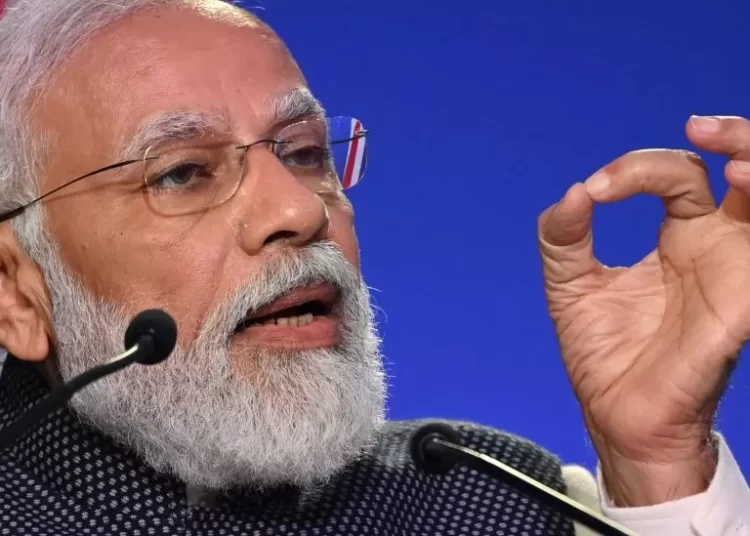
Indian Prime Minister, Narendra Modi has said that he will set up “fast track courts” to expedite the punishment of corrupt officials who leaked examination papers.
In his first public remarks on the movement, Modi said, “Nothing is more important than the welfare and future of our youth.”
“We have decided to set up fast-track courts to ensure swift and stringent punishment for those involved in paper leaks. Have directed the concerned authorities and officials to take all necessary steps in this regard. This continues our series of steps for safeguarding the interests of students. Those who try to harm the future of our youth will not be spared.”
Narendra Modi
The offer of faster justice than usual from India’s clogged judicial system, which can take decades to deliver a verdict, comes as the India’s Prime Minister seeks to quell the youth-led Cockroach Janta Party(CJP) protests that has rocked Delhi and challenged his government. The resignation of Dharmendra Pradhan, the Education Minister is a core demand of the movement, along with reform of the education system.
Modi’s statement follows indications the government is somewhat softening its stand. Ministers have been at pains to say they are willing to talk to the Cockroach Janta Party but the one thing they refuse to mention is Pradhan’s resignation.
An estimated 50,000 people protested in Delhi on Monday, even though police denied them permission to march on parliament and later mounted baton charges and fired teargas.
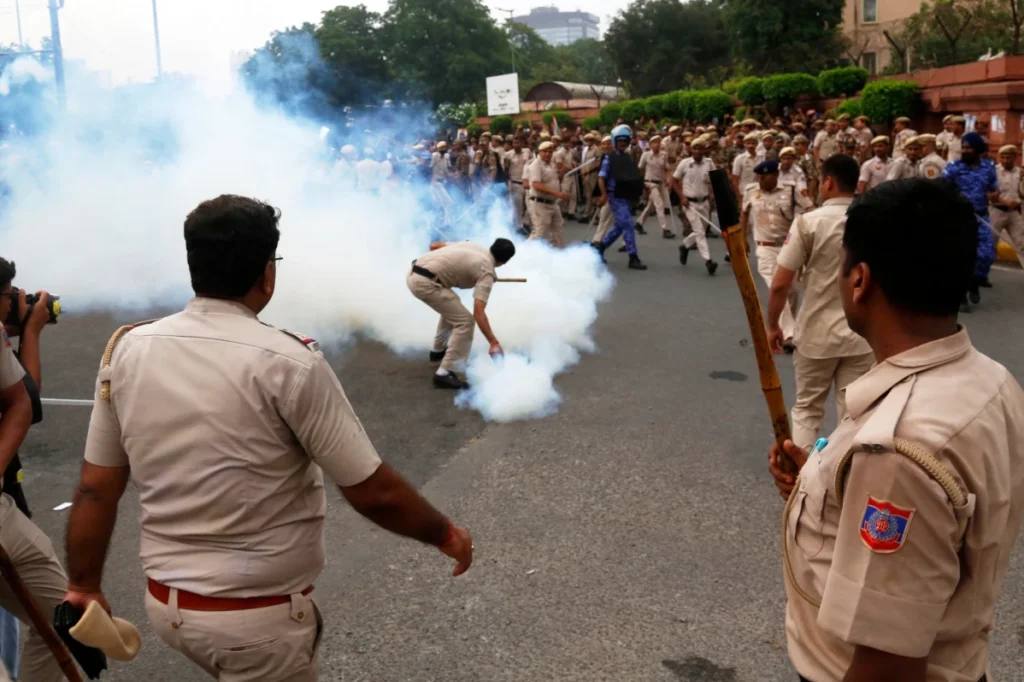
It began as a peaceful demonstration, but by late afternoon police began to clash with the protesters. Police said 60 civilians and 118 police personnel had been injured, and they accused protesters of instigating the clashes. However, organisers condemned the “high-handedness” of the authorities and said hundreds of peaceful protesters had been injured by the police, including at least one woman now on a ventilator in intensive care from her injuries. Amnesty International have accused Delhi police of using police excessive force.
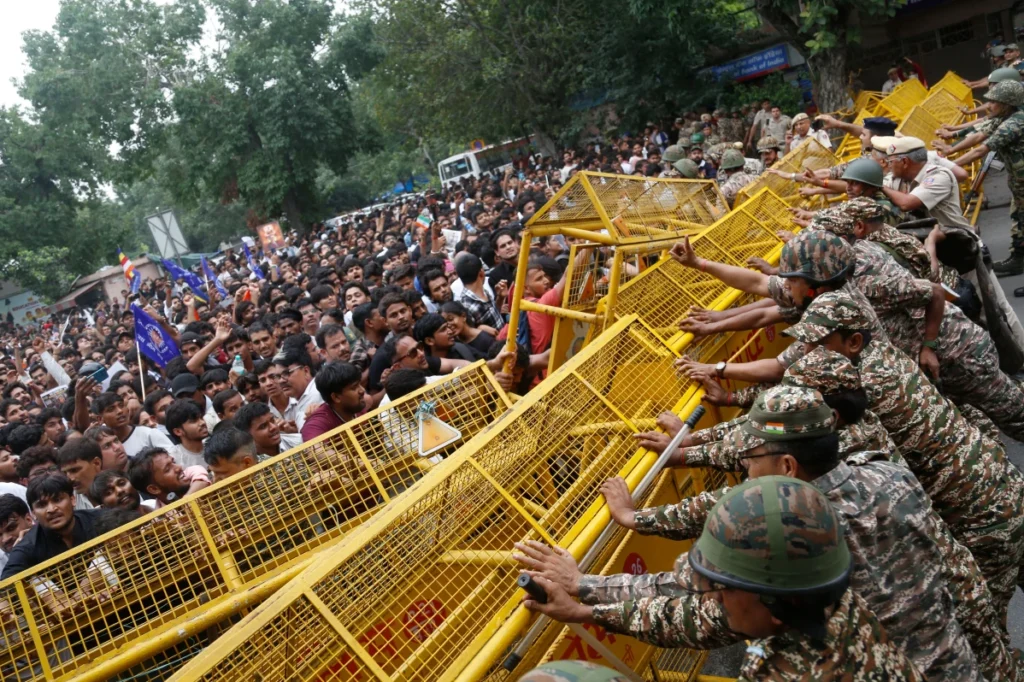
On Wednesday, more than 1,000 people remained camped out at the CJP’s protest site in central Delhi despite the gruelling heat and humidity. Many protesters had travelled for miles to be there.
The protest site at Jantar Mantar is overflowing with supporters eager to show their solidarity. Unable to fit into the enclosed area, the crowd has spilled outside on to the roads. Some sort out donations of food and water sent by well wishers, others hand out food, including to the police on duty, fan those wilting from the heat, or clear up litter.Young men and women in other cities across India have also voiced their support for the CJP’s demands by holding their own demonstrations.
Opposition politicians, led by the Congress party leader Rahul Gandhi, gathered outside the parliament building in Delhi on Wednesday, many dressed in black and waving placards calling on Dharmendra Pradhan to quit.
At a press conference on Wednesday, the opposition leader Rahul Gandhi escalated the rhetoric, demanding that apart from Pradhan resigning, Modi should apologise for failing to provide a fair education system. Gandhi said that the country had seen 152 exam paper leaks over the past decade without resulting in a single conviction.
“Somebody, or a group of people, are destroying our education system, India’s most valuable asset, destroying the lives of our students. What does the government do? Zero convictions.”
Rahul Gandhi
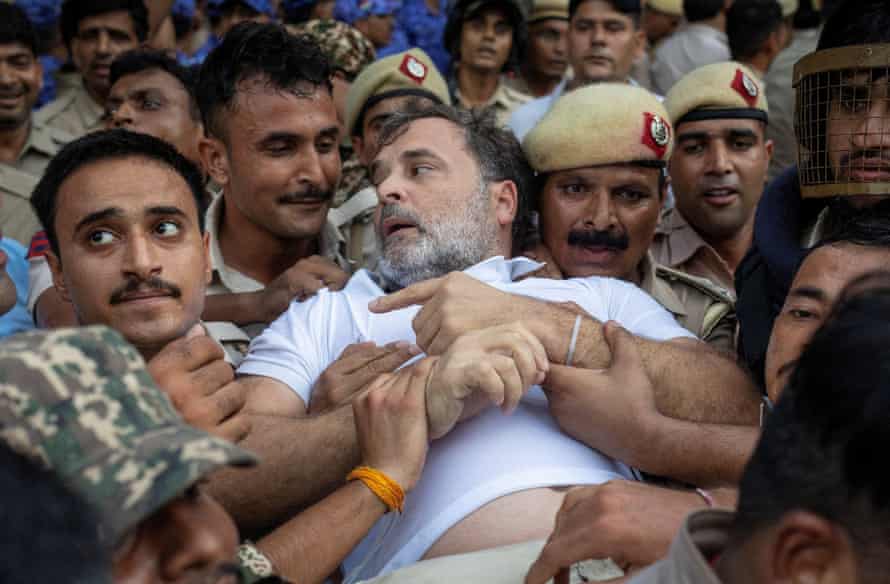
The previous day, Gandhi had been briefly detained by police after staging a sit-in outside Modi’s residence, accusing the Prime Minister of “destroying the future of India’s youth.”
CJP Rejects Modi’s Offer
The offer of faster justice than usual from India’s clogged judicial system, which can take decades to deliver a verdict, was swiftly rejected by the Cockroach Janta party (CJP), the satirical name the youth protest movement coined after India’s top judge called unemployed youths “cockroaches.”
Referring to the Education Minister, the party said, “Dharmendra Pradhan must resign.”
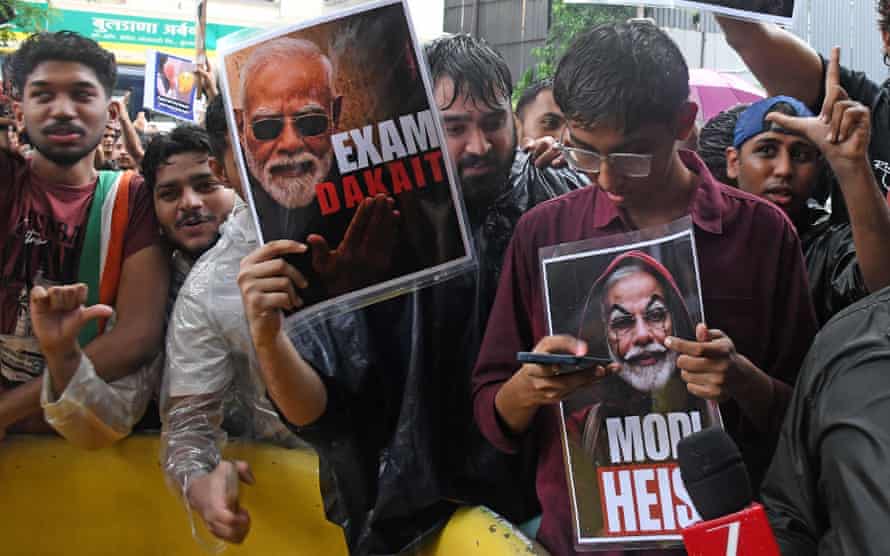
If anything, the movement is hardening its stance after Monday’s brutal crackdown by the police. CJP leaders were deeply disappointed when their meeting on Monday with the Health Minister, J. P. Nadda, the first in over 60 days, resulted in nothing.
Its founder, Abhijeet Dipke, has said that they will not go to the government, saying that if Ministers want to speak to them, they will have to come to the protest site and talk to them in public.
READ ALSO: Nigeria’s Boko Haram Trials Fall Short of Justice Standards- Human Rights Watch