
Government is set to review Ghana’s upstream petroleum laws as part of efforts to improve the competitiveness of the country’s oil and gas sector and attract increased investment into exploration and production activities.
The proposed review, announced in the 2026 Budget Review, will see amendments to existing legislation governing upstream petroleum operations submitted to Parliament before the end of the year.
The move comes amid growing efforts by petroleum-producing countries to ensure their regulatory frameworks remain attractive to investors while balancing national interests, revenue generation and long-term resource management.
Government is also updating the laws governing the upstream petroleum sector to make Ghana more attractive for investment, with the proposed amendments expected to be submitted to Parliament before the end of the year
Finance Minister, Dr Cassiel Ato Baah Forson told Parliament
Review targets competitiveness of upstream sector
Ghana’s upstream petroleum industry is primarily regulated by the Petroleum (Exploration and Production) Act, 2016 (Act 919), which provides the legal framework for petroleum exploration, development and production activities.
The law replaced the earlier Petroleum Exploration and Production Law, 1984 (PNDCL 84) and introduced reforms aimed at improving transparency, strengthening regulatory oversight and establishing clearer rules for petroleum operations.
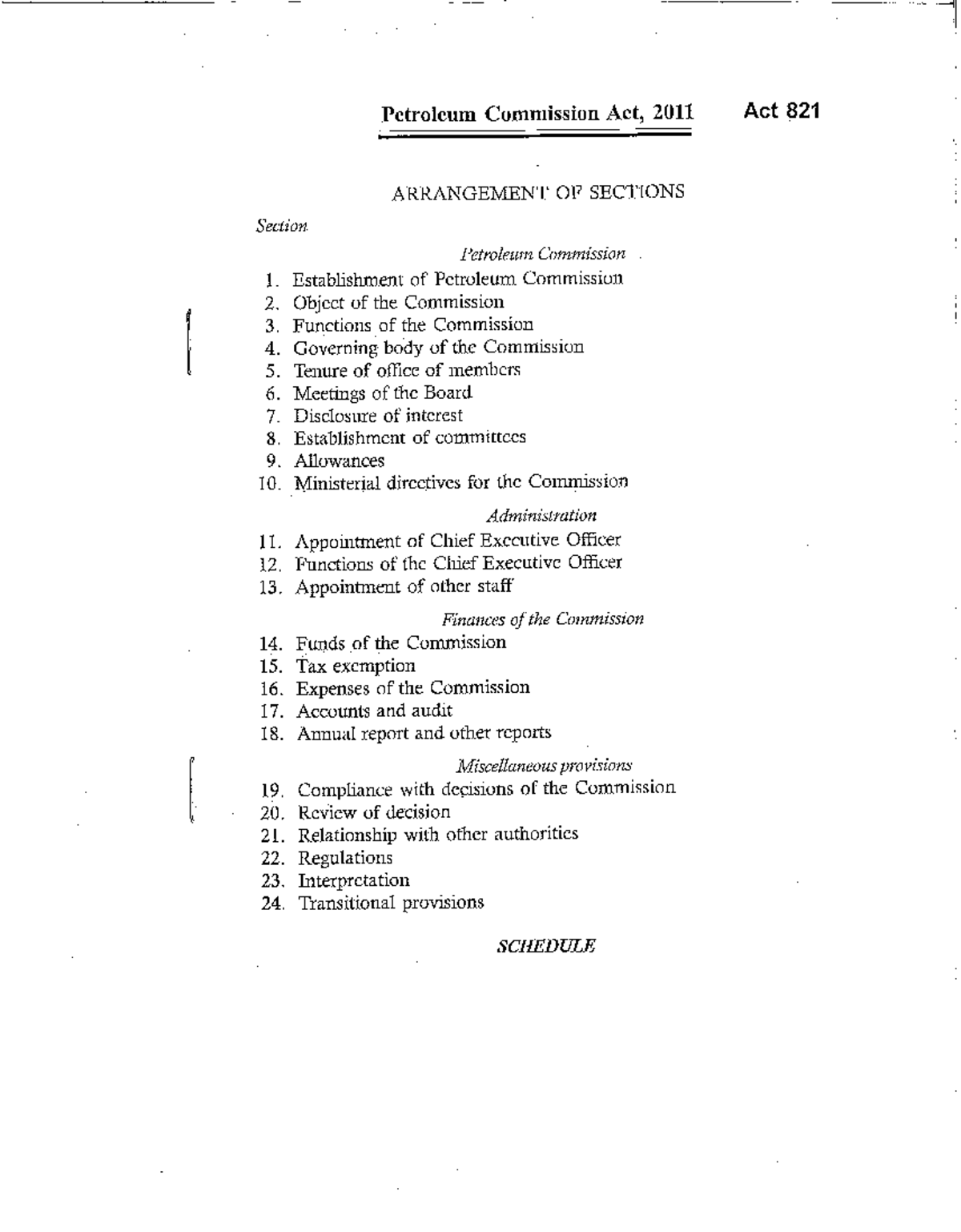
The sector is also supported by related legislation, including the Petroleum Commission Act, 2011 (Act 821), which established the Petroleum Commission as the regulator responsible for monitoring and managing upstream petroleum activities.
Over the years, Ghana has attracted international oil companies into its offshore petroleum sector, with producing fields such as Jubilee, TEN and Sankofa contributing significantly to crude oil production, government revenues and economic activity.
However, investment in new exploration activities has slowed in recent years, with industry stakeholders pointing to factors such as global market conditions, increasing competition among oil-producing jurisdictions and changing investor priorities.
The planned legal review is therefore expected to address concerns around improving Ghana’s attractiveness as an investment destination while ensuring the country continues to derive value from its petroleum resources.
Balancing investor interest and national benefit
While government has not yet disclosed the specific provisions that will be amended, experts say any review of upstream petroleum legislation must carefully balance investment competitiveness with Ghana’s economic interests.
Regulatory certainty remains one of the key factors considered by international oil companies before committing billions of dollars required for offshore exploration and production.
Long-term petroleum projects involve significant financial risks, often requiring investors to make decisions based on the stability, predictability and clarity of a country’s legal and fiscal environment.
At the same time, petroleum laws determine how countries manage ownership of resources, regulate industry participation, protect national interests and ensure citizens benefit from natural resources.
A review of Ghana’s upstream framework could therefore provide an opportunity to address emerging challenges while maintaining safeguards that protect government revenues and local participation.
Existing framework governs petroleum operations
Under Ghana’s current upstream petroleum regime, petroleum resources remain the property of the state, with exploration and production activities carried out through agreements between government and private sector operators.
Companies seeking to undertake petroleum activities must obtain the necessary approvals and operate within regulatory requirements established by the Petroleum Commission and other relevant institutions.
The framework also provides for issues such as petroleum agreements, licensing, health and safety standards, environmental obligations and local content participation.
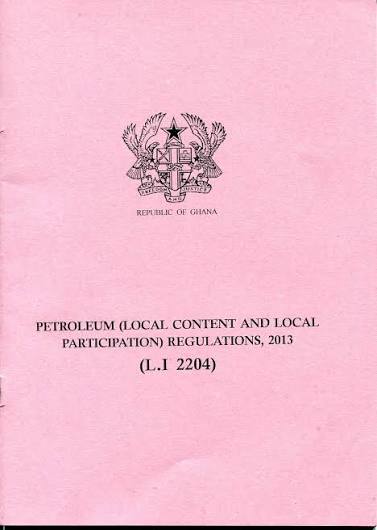
Ghana’s Local Content and Local Participation Regulations, 2013 (L.I. 2204), have also played a significant role in increasing Ghanaian participation in the petroleum industry by requiring greater involvement of local companies and professionals.
Any amendments to upstream petroleum laws are therefore likely to attract attention from industry players, particularly around how they may affect investment decisions, operational requirements and the overall business environment.
Investment drive comes amid changing oil landscape
The planned review comes at a time when Ghana’s upstream sector is navigating changing global dynamics, including increasing competition for exploration capital and the growing focus on energy transition.
Many oil-producing countries are reviewing their petroleum frameworks to remain competitive while managing the transition towards cleaner energy systems.
For Ghana, attracting new investment remains important as existing producing fields mature and the country seeks to sustain production levels.

Recent discussions around the Jubilee Field recovery, additional drilling campaigns and efforts to maximise existing discoveries have highlighted the importance of continued investment in upstream activities.
A stronger investment environment could support exploration, increase production, create jobs and generate additional revenues for national development.
However, analysts have consistently stressed that regulatory reforms must be transparent, carefully considered and aligned with Ghana’s long-term petroleum strategy.
Parliament to consider proposed amendments
With government expected to submit the proposed amendments to Parliament before the end of the year, attention will shift to the details of the reforms and their implications for the upstream sector.
The eventual changes will determine how Ghana balances the need for increased investment with the responsibility of managing petroleum resources in the national interest.
While the specific areas of reform remain undisclosed, the planned review signals government’s intention to reassess the country’s upstream petroleum framework and position the sector for future growth.
READ ALSO: Mid-Year Budget Sparks GHS3 Billion Stock Market Boom