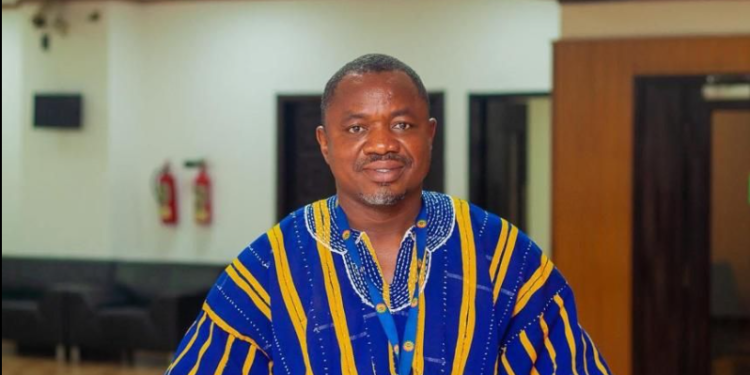
The Member of Parliament for Lambussie, Honourable Titus Kofi Beyuo, has urged political leaders to de-politicise major economic interventions contained in the Mid-Year Review Budget to ensure that policies with long term national value survive changes in government. He argued that initiatives such as the Women’s Development Bank must be designed as durable national institutions instead of programmes linked to the political fortunes of the government that introduces them.
Honourable Beyuo explained that Ghana’s development challenges have often been worsened by governments announcing policies without adequate planning, financing or institutional preparation. In his view, a deliberate approach to policy implementation could prevent future administrations from inheriting unfinished programmes and heavy financial obligations.
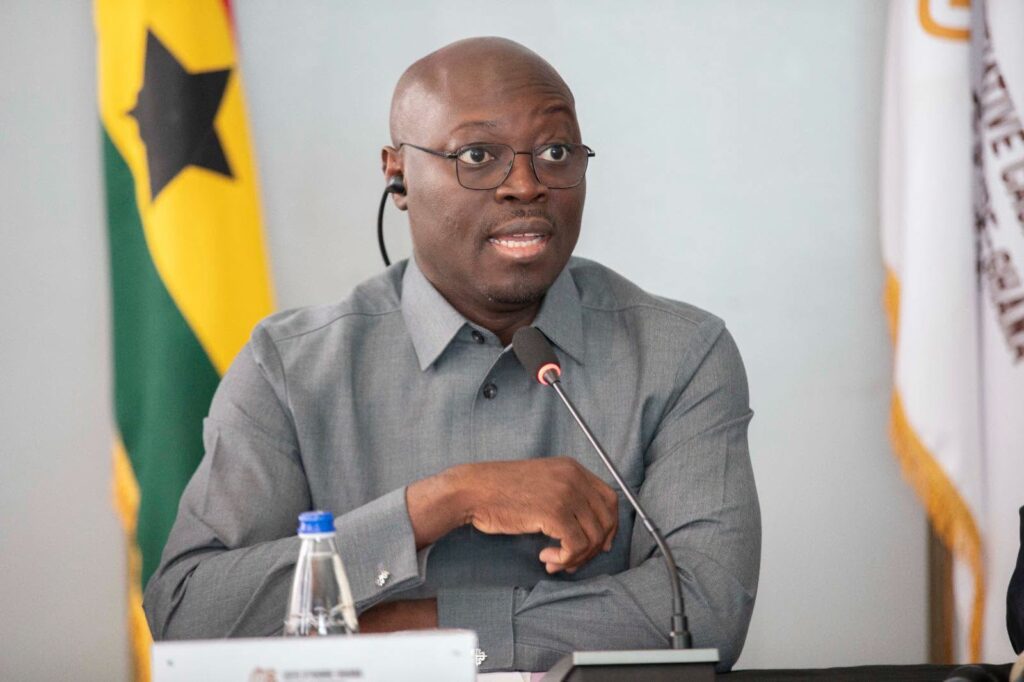
The Lambussie MP pointed to the proposed Women’s Development Bank as an important test of whether national interventions could be protected from partisan politics. He noted that the institution should serve women across the country, including small scale traders who require modest loans to expand their businesses.
“The Women’s Development Bank should not come as a bank that will be for only NDC women organizers or NDC sympathizers. If it is a bank, you must go through the right channel.”
Honourable Titus Kofi Beyuo
According to him, the process behind the proposed bank suggests that government is working towards establishing a properly regulated institution. He disclosed that the bank has been incorporated and obtained a banking licence from the Bank of Ghana, with further structures required before full operations could begin.
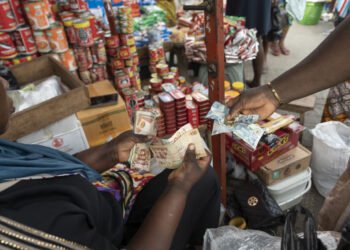
The MP cited examples of women who could benefit from a properly structured financial institution, including traders who require small amounts to operate businesses in Makola Market, Hamile and Somanya. He stressed that such borrowers should have access to suitable financial services without facing the difficulties associated with conventional banking arrangements.
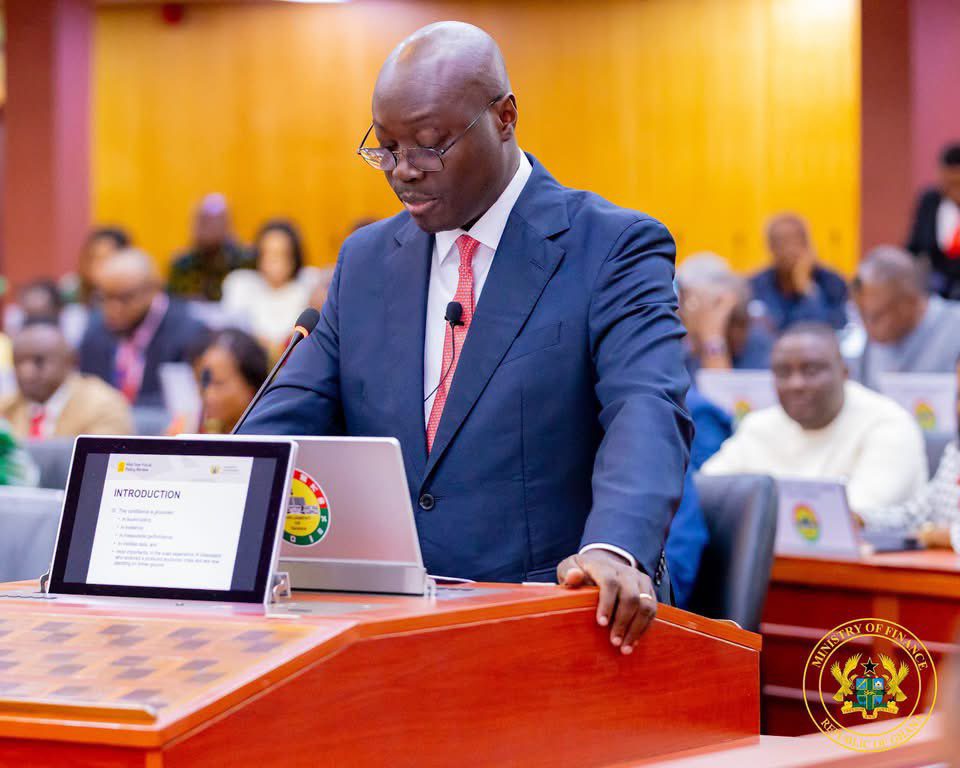
For this reason, Honourable Beyuo urged the public to allow the institution enough time to develop the systems required for effective and sustainable operations. He cautioned against rushing the process for political convenience when the objective should be to create a bank capable of serving women beyond the tenure of the current administration.
Beyond the financial sector, the Lambussie MP welcomed plans for a new Cocoa Act that could reshape the relationship between cocoa farmers and the state. He noted that the proposed legislation could enable farmers to receive close to 70 percent of the price at which their cocoa was purchased.
The proposed changes to the cocoa sector, he added, could provide a legal framework for a major restructuring of the industry. His assessment places the initiative among the measures that could produce lasting economic benefits if supported by sound legislation and effective implementation.
Honourable Beyuo also welcomed the Finance Minister’s plans to revise customs processes to improve revenue mobilisation and reduce leakages. He believes that stronger revenue systems would help government meet its financial obligations while creating room for future development.
Economic Planning Gains Support As MP Praises Budget Discipline
Honourable Beyuo also praised the financial strategy presented by Finance Minister Dr Cassiel Ato Forson during the Mid-Year Review Budget, describing it as evidence of a government seeking to stabilise the economy while planning for future obligations. The Lambussie MP pointed to cost cutting, targeted spending and long-term financial planning as key features of the economic direction outlined in the review.
“Yesterday, Dr Cassiel Ato Forson came across as someone who knows exactly what he is about. His delivery was with a lot of confidence and it was backed by data.”
Honourable Titus Kofi Beyuo
His assessment is on the Finance Minister’s use of data to explain the government’s economic position and the measures being implemented to manage public finances. Honourable Beyuo indicated that the presentation demonstrated a deliberate effort to direct public spending towards areas with the greatest economic value.
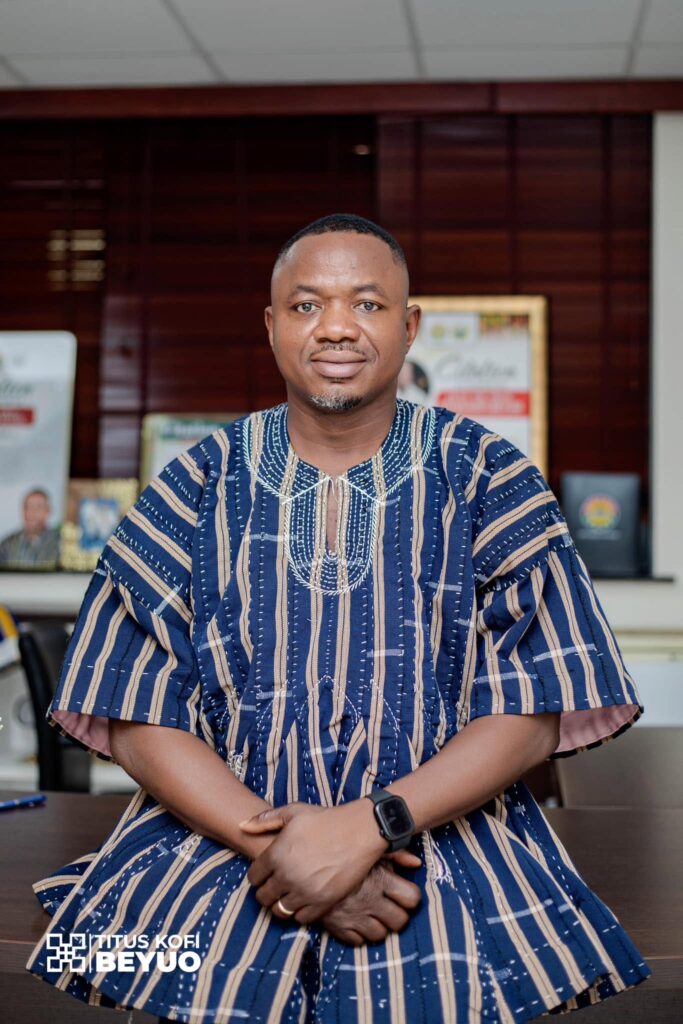
One example involves the planned 1,200 megawatt power plant, where government has engaged General Electric directly for the project. According to the MP, the arrangement could save Ghana between 35 percent and 45 percent by reducing the role of intermediaries in the transaction.
The energy strategy also attracted attention because of its potential long-term impact on electricity costs. Honourable Beyuo highlighted plans to use gas to generate power, a move he suggests could reduce energy production costs by as much as 75 percent.
Another aspect of the economic plan involves the creation of a sinking fund to support future financial commitments. The MP indicated that the fund is projected to accumulate about GH¢30 billion, providing a dedicated financial base for obligations that could otherwise place pressure on future budgets.
The Ofankor Nsawam Expressway also featured in his assessment of the government’s financial planning. Honourable Beyuo disclosed that about GH¢1.7 billion has already been placed in a special account at the Bank of Ghana for the project before its full implementation.
Such preparations, he argued, represent a shift towards planning and financing projects before making extensive public commitments. The approach, in his view, could reduce the pattern of announcing major initiatives without the resources required to complete them.
The MP also welcomed plans to revise the customs regime to improve revenue collection. He suggested that stronger revenue mobilisation would help the country service existing debts while creating financial space for future generations.
READ ALSO: Ghana Must Never Return To The Emergency Room Again